
Signs Your Dog Has Separation Anxiety
“`html

Recognizing the signs your dog has separation anxiety early can make a significant difference in your pet’s quality of life and help prevent long-term behavioral issues. Separation anxiety affects many dogs when left alone, leading to distress that manifests in various ways. Understanding these symptoms allows owners to implement effective training and management strategies tailored to their dog’s needs. In my years as a vet tech, I’ve seen this situation countless times, where owners mistake panic-driven behaviors for simple mischief until we review video footage together.
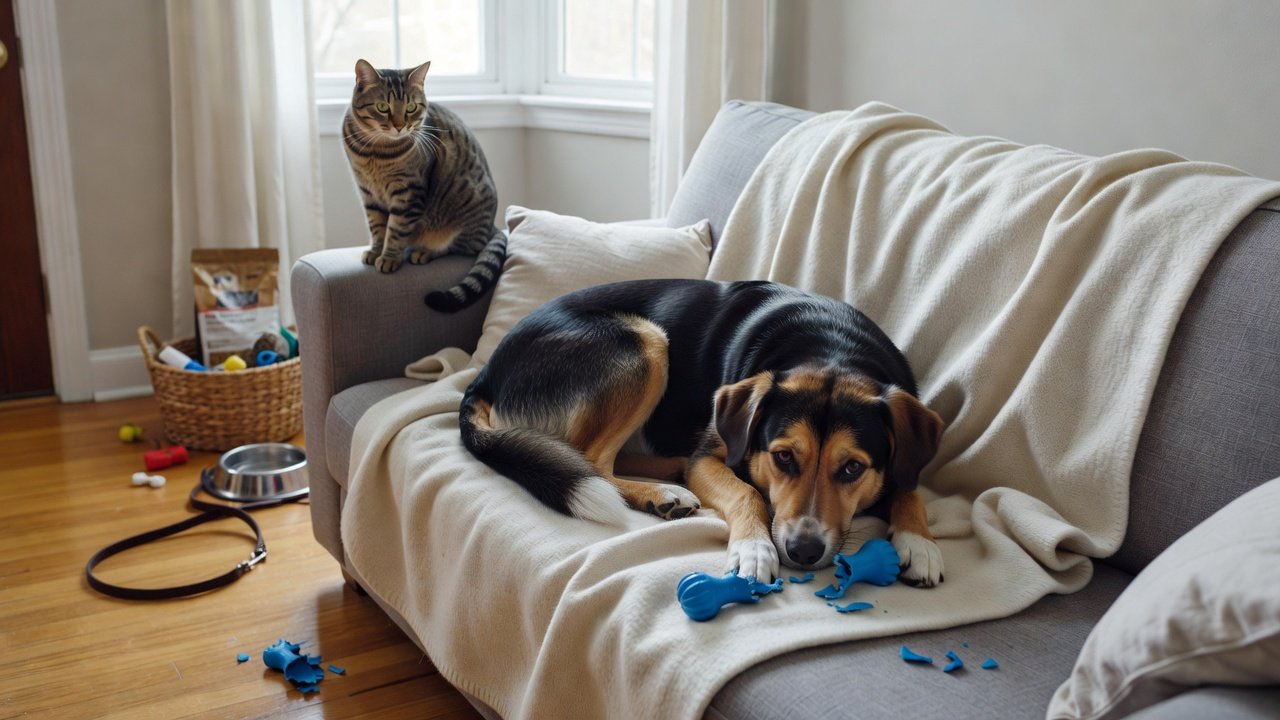
From a clinical standpoint, what owners miss here is how destructive chewing, digging, and scratching at doors or windows often target exit points as your dog attempts to escape and reunite with you. Unlike simple boredom, this destruction typically occurs within the first 30 minutes of being left alone and focuses on specific areas rather than random household items. Breeds like Labrador Retrievers and German Shepherds may show heightened tendencies due to their strong bonding instincts, making early intervention through positive reinforcement training essential for pet care. Many dogs with separation anxiety will damage furniture, shoes, or personal belongings that carry their owner’s scent. This is not spiteful behavior but a coping mechanism driven by panic. Owners should monitor for patterns, such as damage concentrated near entryways, and consider crate training or puzzle toys to redirect energy while addressing the root anxiety through gradual desensitization exercises.
Excessive barking, whining, or howling that persists for hours after departure often signals separation anxiety in dogs. These vocalizations differ from territorial alerts because they continue even without external triggers like visitors. Physical signs include pacing, trembling, excessive drooling, and loss of appetite, which can lead to secondary health concerns such as weight loss or digestive upset if left unaddressed. Accidents indoors despite prior house training represent another key indicator. Dogs may urinate or defecate in visible spots as a stress response rather than a marking behavior. In severe cases, frantic attempts to escape can cause self-injury like broken nails or scraped paws. Integrating calming aids, such as pheromone diffusers, alongside consistent routines supports both training and overall animal health during the adjustment period.
The physical manifestations of separation anxiety often surprise pet owners because they assume their dog should simply adjust to being alone. However, for dogs experiencing true separation anxiety, being left alone triggers a genuine panic response comparable to human anxiety disorders. Their bodies release stress hormones like cortisol, which explains why you might notice your dog’s coat looking dull or their skin becoming sensitive during periods of untreated anxiety. Some owners report their dogs develop obsessive behaviors, such as repetitive licking or tail chasing, which are further signs of prolonged stress. Additionally, certain dogs may experience decreased grooming habits or develop a distinctive musty odor from stress-induced changes in their skin chemistry.
Not every destructive episode indicates separation anxiety, so ruling out medical issues or simple boredom is vital. A veterinary check can exclude conditions like urinary tract infections that mimic house soiling. Video monitoring helps distinguish anxiety-driven actions from play, especially in high-energy breeds such as Border Collies that require ample mental stimulation. Consulting a certified behaviorist provides personalized plans combining counter-conditioning with medication when necessary. This approach ensures symptoms are managed holistically, improving outcomes for dogs prone to anxiety across various breeds while emphasizing preventive pet care tips like daily exercise and enrichment activities.
Understanding the triggers behind your dog’s separation anxiety is crucial for developing an effective treatment plan. Common triggers include specific times of day, particular departure cues like picking up car keys or putting on shoes, or being left with certain family members. Some dogs develop anxiety only during extended absences, while others panic after just a few minutes alone. Environmental factors matter too—a dog anxious in a large, empty house might feel more secure in a smaller space like a crate or a single room. Seasonal changes, household transitions like moving homes, or traumatic events such as being lost can precipitate or worsen separation anxiety. By carefully observing your dog’s behavior patterns and keeping a detailed anxiety journal, you can identify specific triggers and work with a behaviorist to address them systematically.
The importance of gradual desensitization cannot be overstated when treating separation anxiety. This process involves slowly acclimating your dog to being alone for increasingly longer periods. Start by stepping out of the room for just 30 seconds, then gradually extend these absences. The key is leaving before your dog becomes distressed and returning before panic sets in. This teaches your dog that you always return and that solitude is safe. Many owners skip this foundational work and instead attempt longer departures, which typically backfires and reinforces the anxiety. Patience during the desensitization process is essential—rushing through phases can set back progress significantly. Most behaviorists recommend progressing at your dog’s pace, which might mean spending weeks on relatively short absences before moving forward.
Environmental enrichment plays a substantial supporting role in managing separation anxiety. Interactive puzzle toys, treat-dispensing toys, and long-lasting chews like bully sticks provide mental stimulation and positive associations with your departure. Some dogs respond well to background noise, such as calming music specifically designed for anxious pets or even a white noise machine, which can mask external sounds that trigger alertness. Leaving worn clothing items with your scent can comfort some dogs, though others find this insufficient for managing true separation anxiety. Creating a designated “safe space” with familiar bedding, toys, and a den-like quality helps some dogs feel more secure. Many pet parents find success with establishing a pre-departure routine that’s calm and low-key, avoiding dramatic goodbyes that can amplify anxiety.
Approximately 20-40% of dogs in the United States exhibit some form of separation anxiety according to veterinary studies. Smaller breeds like Chihuahuas and Yorkshire Terriers show higher reported rates due to intense attachment tendencies. Early detection within the first six months of adoption significantly improves treatment success rates by up to 70%. Destructive behaviors peak in dogs aged 6 months to 3 years, correlating with developmental stages. Consistent training routines reduce recurrence by fostering independence without compromising the human-canine bond. Untreated cases can escalate to chronic stress, impacting immune function and long-term animal health.
When considering medication for separation anxiety, several options are available and can be combined with behavioral training for optimal results. Selective serotonin reuptake inhibitors (SSRIs) like fluoxetine are commonly prescribed to help regulate your dog’s anxiety levels while you implement training protocols. Anti-anxiety medications such as trazodone can be given before anticipated departures to help your dog remain calm during critical training windows. Some veterinarians recommend short-term use of these medications to give your dog the mental space needed to learn new coping mechanisms through training. It’s important to understand that medication alone, without behavioral modification, typically addresses only the symptoms rather than the underlying anxiety. The most effective approach combines medication with desensitization, enrichment, and consistent training routines. Always consult with your veterinarian before starting any medication, as they can determine the appropriate option based on your dog’s age, health status, and specific anxiety presentation.
Identifying the signs your dog has separation anxiety empowers owners to take proactive steps toward relief through targeted training and environmental adjustments. By addressing symptoms promptly with evidence-based methods, you can enhance your dog’s emotional well-being and strengthen your relationship. Regular monitoring combined with professional guidance ensures lasting improvements, turning potential challenges into opportunities for better pet care overall. Remember that recovery from separation anxiety is often a gradual process requiring patience and consistency, but the payoff in terms of your dog’s quality of life makes every effort worthwhile.
Sources
- American Kennel Club (AKC) – Separation Anxiety in Dogs Expert Advice
- ASPCA – Separation Anxiety in Dogs Care Guide
- VCA Animal Hospitals – Separation Anxiety in Dogs
-
Related Posts
- How to Handle Separation Anxiety in Adopted Pets
- Signs Your Dog Has Food Allergies and Solutions
- Top Energetic Dog Breeds for Active Families
- Top Guard Dog Breeds With Calm Temperaments
- Guide to Bathing Your Dog Without Stress