
Top Hypoallergenic Dog Breeds for Allergy Sufferers
“`html

If you’re an allergy sufferer who’s ever longed for the gentle nudge of a dog’s nose or the quiet comfort of shared moments on the couch, exploring hypoallergenic breeds through pet adoption can feel like a true gift. These dogs shed less dander and produce fewer allergens than traditional breeds, letting so many people enjoy companionship without the constant battle of sneezing or itchy eyes. What every pet owner who’s adopted knows is that finding the right match isn’t just about health—it’s about building a lifelong emotional bond that reshapes your whole world.
My rescue cats have taught me that even when allergies complicate things, the right animal can bring unexpected joy and healing, and the same principle applies when welcoming a dog from a rescue. Understanding which breeds tend to be gentler on sensitive systems helps families make choices that honor both their well-being and the happiness of a new home.
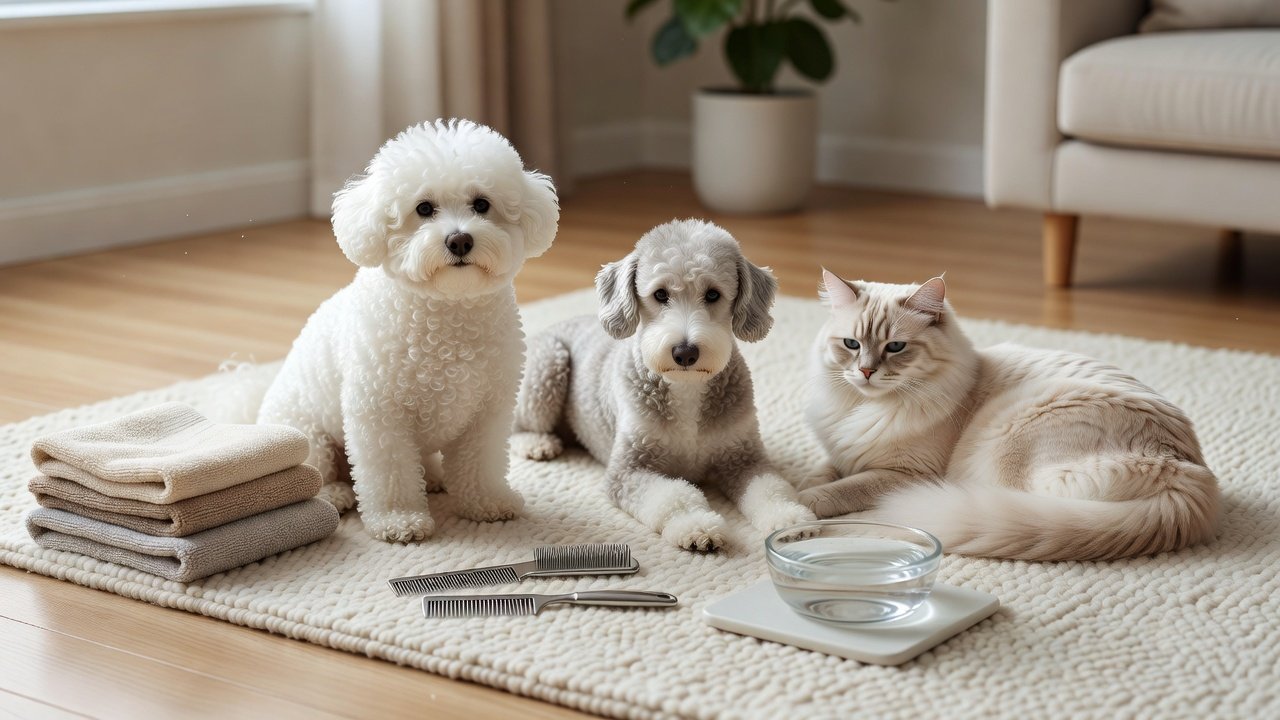
Hypoallergenic dog breeds trigger fewer reactions because of their coat type and grooming needs. Unlike heavy shedders, these dogs have hair that grows continuously and traps dander, which means regular professional grooming keeps allergen levels low. No dog is ever 100 percent allergen-free, yet breeds like the Poodle and Portuguese Water Dog can make a meaningful difference for sensitive households. Saliva proteins and skin flakes still matter, so steady cleaning routines stay important.
Most of these dogs feature curly or wiry coats that cut down on shedding, keeping loose hair and dander from circulating through the house. Weekly brushing plus monthly baths with gentle shampoos help even more. Many of these intelligent breeds take to training easily and thrive on interactive play that deepens the human-animal connection—something rescue culture celebrates every time a dog finds its forever person.
Among the top options, the Standard Poodle shines for its versatility and warm personality. These dogs come in different sizes and bring friendly temperaments that fit family life beautifully. Their non-shedding coat needs clipping every six to eight weeks, which many allergy-conscious adopters appreciate. The Bichon Frise adds a cheerful, compact presence perfect for apartments, though it requires frequent grooming to stay comfortable and low-allergen. The Maltese and Portuguese Water Dog offer loyal companionship with coats that minimize triggers too. Early socialization helps all of these breeds settle happily into multi-pet homes.
Other strong choices include the Schnauzer, with its protective yet affectionate spirit, and the Afghan Hound, whose striking looks come with a low-shedding coat. Each one carries traits that match different rhythms of life, whether you’re an active hiker or someone who prefers quiet evenings. A veterinarian can help match the dog to your specific allergy needs and daily routine.
Proper care brings out the best in these breeds. Daily exercise, balanced meals, and regular vet visits keep coats healthy and overall wellness strong. Allergy sufferers often find success with pet-free zones and HEPA filters to manage any lingering particles. Positive reinforcement training works wonders with these eager-to-please dogs, building good habits from the start.
Understanding the science behind dog allergies helps clarify why certain breeds work better for sensitive individuals. The primary culprit isn’t actually dog hair itself, but rather proteins found in dog dander—the microscopic skin cells that shed constantly. Dogs with continuously growing hair rather than shedding cycles produce less dander overall, and their grooming routine traps what does shed. Additionally, saliva and urine contain allergen-producing proteins, so breeds with lower skin oil production tend to generate fewer airborne particles. This explains why curly-haired breeds consistently outperform straight-haired varieties for allergy sufferers.
When considering a hypoallergenic breed, spend time with the specific dog before adoption when possible. Individual dogs vary in allergen production, and some people react less to certain dogs within the same breed. Many rescues and breed-specific organizations arrange trial periods or foster-to-adopt programs that let you gauge your personal reaction in a real home environment. This hands-on approach beats relying solely on breed reputation, since family dynamics and individual dog characteristics play significant roles in overall allergen levels.
The Labradoodle and Goldendoodle deserve special mention as popular crossbreeds designed specifically for allergy sufferers. These Poodle mixes combine the intelligence and low-shedding qualities of Poodles with the friendly temperament of Labs and Golden Retrievers. However, coat types can vary even within litters, as mixed breeds don’t always inherit the Poodle parent’s hypoallergenic coat. Consulting with breeders or rescue organizations about the specific dog’s coat characteristics helps set realistic expectations.
Home management strategies amplify the benefits of owning a hypoallergenic breed. Investing in a quality HEPA air filter system removes microscopic allergen particles from the air, making a measurable difference in symptom reduction. Designating certain rooms as pet-free zones—particularly bedrooms—gives your body regular breaks from allergen exposure while sleeping. Washing dog bedding weekly in hot water and vacuuming frequently with HEPA-filter vacuums further reduces accumulation. Some allergy sufferers find that showering after playtime or limiting close facial contact with their dog helps minimize reactions without sacrificing the emotional connection.
Professional grooming plays a crucial role in managing allergens. While home brushing maintains coat health between appointments, professional groomers have industrial equipment and expertise to thoroughly bathe and clip the dog’s coat, removing accumulated dander and loose hair far more effectively than home grooming alone. Many allergy-conscious owners schedule grooming every four to six weeks and find this investment worthwhile for the symptom relief it provides. Some groomers specialize in working with sensitive families and understand allergen management as a health priority rather than a cosmetic one.
Nutritional factors also influence coat health and allergen production. High-quality dog foods with omega-3 and omega-6 fatty acids promote healthier skin and reduce excessive shedding or dander buildup. Feeding your hypoallergenic dog premium food that addresses their specific breed needs—whether that’s joint support for larger breeds or proper nutrition for smaller companions—supports the skin barrier and minimizes problematic shedding. Discussing nutrition with your veterinarian ensures your dog receives the dietary support that keeps their coat in optimal condition.
Training and behavior management deserve equal attention alongside grooming and home management. Hypoallergenic breeds tend to be intelligent and responsive, making them excellent candidates for positive reinforcement training. Teaching a well-trained dog to respect personal space and accept grooming without struggle makes the entire care routine smoother for both dog and owner. Dogs trained to stay off furniture, wait for permission before greeting, or understand basic commands tend to integrate more peacefully into allergy-sensitive households.
Here are some key facts worth noting:
– Roughly 10-20 percent of people deal with dog allergies, so hypoallergenic options open doors for many families.
– Poodles rank high in popularity thanks to their smarts and size range from toy to standard.
– Grooming every four to six weeks can lower airborne allergens by up to half in homes with these dogs.
– Portuguese Water Dogs were originally bred for water work and adjust well to active households.
– Early socialization and training tend to reduce behavior concerns significantly.
– Over thirty recognized breeds qualify as low-allergen choices through major kennel clubs.
– The cost of professional grooming every four to six weeks typically ranges from $50 to $150 depending on breed size and coat complexity, which allergy sufferers often view as essential healthcare rather than optional expense.
– Studies show that consistent grooming routines reduce allergen levels more effectively than air filtration alone, though combining both methods produces the best results.
– Some individuals find their allergies ease after several months of living with a hypoallergenic dog, as their immune systems gradually acclimate to that specific dog’s allergen profile.
Choosing a hypoallergenic dog from a rescue lets allergy sufferers experience the deep rewards of dog ownership with more ease. Focusing on grooming, training, and thoughtful research creates homes where everyone thrives. These dogs offer steady love and loyalty while respecting health realities—reminding us that the right companion, adopted with care, truly changes everything. The journey toward dog ownership as an allergy sufferer requires patience, planning, and realistic expectations, but the emotional and physical health benefits of sharing your life with a loving dog make every effort worthwhile.