
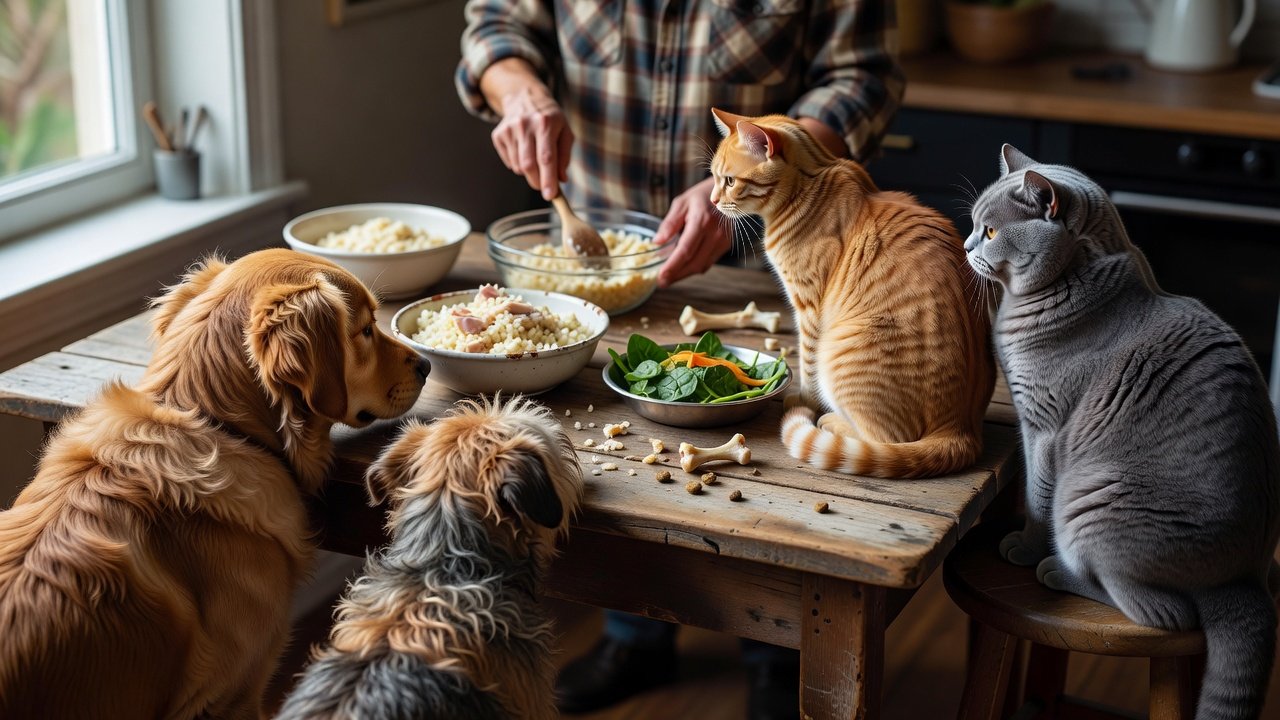
Common Nutritional Deficiencies in Homemade Pet Diets

When I first started learning about homemade pet diets, it was because one of my rescue cats came to me with a history of mystery health issues that no one could quite pin down. What every pet owner who’s adopted knows is that these animals often arrive with gaps in their care stories, and nutrition is one of the biggest. While preparing meals at home gives us that wonderful sense of control and connection, it can leave our companions short on the precise balance of nutrients that keep tails wagging and purrs steady.
My rescue cats have taught me that even the most loving intentions can miss the mark when it comes to things like calcium-to-phosphorus ratios. Large dog breeds such as Great Danes and Labrador Retrievers need exact levels during growth to avoid skeletal problems, and the same careful attention applies when we welcome dogs into our homes through adoption. Small cat breeds like Siamese and Abyssinians have an especially high need for taurine, an amino acid that many plant-forward homemade recipes simply don’t provide in enough quantity.
Dogs on unbalanced homemade meals often run low on calcium, vitamin D, and omega-3 fatty acids. Without raw bones or proper supplements, calcium shortages can bring on weak bones and muscle tremors, especially in active breeds like Border Collies and German Shepherds. Vitamin A shortfalls from recipes heavy on organ meats without variety can lead to skin troubles and vision changes in allergy-prone dogs such as Golden Retrievers. Protein quality suffers when meals lean too much on grains instead of complete animal proteins, showing up as dull coats and lower energy. Thiamine deficiency can appear when raw fish is used too often, since certain enzymes destroy this B vitamin and affect neurological health in high-energy dogs like Huskies. Fatty acid imbalances can also worsen joint discomfort in dogs who love agility or long walks.
Cats, as obligate carnivores, face their own set of challenges. Taurine deficiency is the most well-known risk and can lead to heart problems and vision loss in breeds like Maine Coons and Persians if it isn’t supplemented daily. Homemade recipes made only from muscle meat without heart or liver often fall short here. Arachidonic acid shortages can affect skin and reproduction, while low vitamin B12 may contribute to anemia and neurological issues in active cats such as Bengals. Many owners also miss the need for balanced potassium and magnesium, which can contribute to urinary tract concerns in breeds like Scottish Folds.
Studies show that over 60% of homemade pet diets analyzed by veterinary schools lack adequate calcium and phosphorus balance for growing puppies. Taurine deficiency cases in cats have risen 30% in recent years among owners using grain-free or plant-heavy homemade recipes. Large dog breeds experience a 4x higher risk of developmental orthopedic disease when fed unbalanced homemade meals without supplements. Thiamine deficiency from raw fish diets affects approximately 15% of dogs whose owners prepare meals at home without vitamin monitoring. Cat breeds like the Ragdoll show improved coat quality and energy when homemade pet diets include 10-15% organ meats for natural vitamin sources. Regular veterinary testing reveals that 40% of homemade diets for both dogs and cats fall below AAFCO nutrient profiles for key amino acids. Omega-3 supplementation corrects skin issues in 70% of cases involving nutritional deficiencies in active dog breeds used for agility training.
Understanding the specific mineral requirements is crucial for pet owners committed to homemade feeding. The ideal calcium-to-phosphorus ratio for adult dogs should fall between 1.2:1 and 1.8:1, yet many homemade recipes skew this balance dramatically. When phosphorus levels run too high relative to calcium, it can pull calcium from the bones to maintain blood pH balance, creating long-term weakness. For growing puppies, this becomes even more critical, as improper ratios during the developmental phase can lead to permanent skeletal deformities. Ground eggshells or calcium carbonate supplements can help balance these ratios, but the calculations require precision that many home cooks underestimate.
Vitamin D deserves special attention in homemade diets because it’s essential for calcium absorption. Many owners assume that including fish or egg yolks will provide adequate vitamin D, but the amounts are often insufficient for optimal absorption. Dogs and cats cannot synthesize vitamin D from sunlight exposure the way humans can, making dietary sources absolutely necessary. A deficiency in vitamin D can lead to soft bones, delayed healing, and muscle weakness. The challenge lies in getting the dosage right—too much vitamin D is actually toxic and can cause kidney damage and hypercalcemia. This is why working with a veterinary nutritionist to calculate exact supplementation becomes invaluable.
The role of amino acids extends well beyond taurine, though that remains the most critical concern for feline diets. Dogs need ten essential amino acids, while cats require eleven—with taurine being the extra one unique to felines. Beyond these essentials, the bioavailability of proteins matters enormously. A homemade diet might technically contain adequate protein, but if that protein comes from lower-quality sources with incomplete amino acid profiles, your pet won’t be able to utilize it effectively. This is why including a variety of meat sources—beef, poultry, fish, and organ meats—helps ensure a complete amino acid spectrum. However, even this variety can fall short without careful calculation.
For dog owners managing allergies or sensitivities through homemade cooking, nutritional gaps become even more pronounced. When eliminating common allergens like chicken or grains, the remaining diet often lacks the breadth of nutrients that commercial limited-ingredient formulas have been carefully balanced to provide. A dog with chicken allergies on a homemade beef and sweet potato diet needs supplementation with taurine, omega-3 and omega-6 fatty acids, and various vitamins to remain truly balanced. The emotional appeal of controlling every ingredient can sometimes override the practical reality that achieving complete nutrition requires more than good intentions.
Iron deficiency in homemade diets is another often-overlooked concern, particularly in cats. While red meat contains iron, the form and bioavailability matter significantly. Plant-based sources of iron are poorly absorbed by cats, whose digestive systems evolved to process animal proteins. Some cat owners inadvertently create iron-deficient diets when trying to reduce their pet’s meat intake for budgetary or ethical reasons. Similarly, iodine requirements are easily missed when recipes don’t include fish or iodized supplements, potentially leading to thyroid dysfunction that manifests as weight gain and lethargy.
The emotional bond we form with rescue animals makes us want to do everything right, and that’s why consulting a veterinary nutritionist and adding targeted supplements becomes so important. These professionals can review your specific recipes and recommend precise supplementation strategies tailored to your pet’s age, activity level, and breed-specific needs. They can also help you understand ingredient sourcing—knowing whether your beef includes organ meats, how the chicken is prepared, and what vegetables round out the meal helps ensure you’re starting from the most nutritious foundation possible.
Regular bloodwork can catch problems early, protecting the long-term health of the dogs and cats who have already found their way into our hearts. Many veterinarians recommend baseline bloodwork before transitioning to a homemade diet and then annually thereafter to monitor nutrient levels. Some progressive veterinary practices now offer nutritional assessments that go beyond standard panels, specifically checking for amino acid profiles, fatty acid ratios, and mineral balances. By understanding these breed-specific needs and staying attentive, we can keep the joy of homemade feeding while giving our adopted companions the steady wellness they deserve.