

Dog Food Brands Comparison
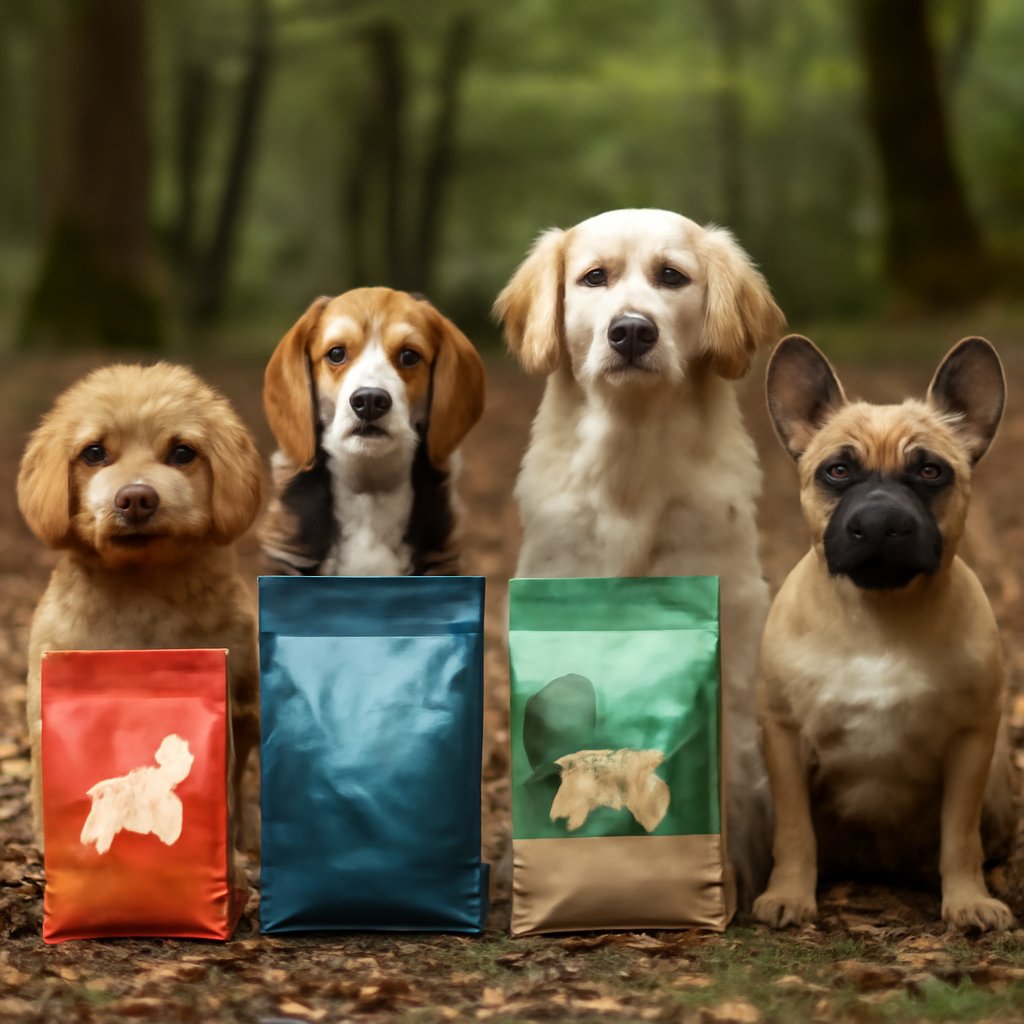
Choosing the right food for your dog feels like one of those quiet, deeply personal decisions that ripples through their whole life—especially when that dog came to you through rescue. I’ve seen it time and again with friends who’ve opened their homes to dogs from shelters: the right nutrition helps them settle, heal, and finally relax into the safety they’ve been missing. What every pet owner who’s adopted knows is that these animals often arrive with histories we can only guess at, so giving them food that truly supports their bodies becomes part of helping them trust the world again.
My rescue cats have taught me that animals don’t need perfection—they need consistency and care that meets them where they are. The same holds true for dogs. In 2025 the pet food world keeps evolving, with more emphasis on natural ingredients, sustainable sourcing, and formulas tailored to different life stages. You’ll find probiotics, omega fatty acids, and nutrients aimed at joint health and even cognitive support. Owners are studying labels more closely than ever, hunting for whole proteins and skipping artificial preservatives while matching food to their dog’s age, size, and any health quirks.
Standards from the American Feed Control Officials (AAFCO) set the baseline for nutrition, yet many premium brands exceed those minimums. Transparency is the big theme this year, with companies sharing where ingredients come from and results from third-party testing. Below is a clear look at ten standout brands, comparing their types, price ranges, key ingredients, and real customer feedback.
Taste of the Wild offers dry and wet options for $40–60 per 30 lb, featuring bison, venison, roasted vegetables, and probiotics, with a 4.8/5 rating. Orijen provides dry and freeze-dried foods at $65–90 per 25.5 lb, built around free-run poultry, wild fish, and organs with no grains, earning 4.9/5. Wellness Core sits at $35–55 per 24 lb for dry and wet, using deboned turkey, chicken meal, and sweet potato for a 4.7/5 score. Fromm Family covers dry, wet, and frozen at $45–65 per 30 lb with beef, chicken, pork, vegetables, and probiotics, also at 4.8/5. Acana runs $50–75 per 25 lb for dry and freeze-dried, centered on grass-fed beef, pastured pork, and fresh fish, rated 4.8/5. Merrick Grain-Free is $30–50 per 25 lb in dry and wet, with deboned meat and sweet potato and no grains, at 4.6/5. Victor stays in the $25–45 per 30 lb range for dry, using beef meal, chicken meal, and peas without corn or soy, scoring 4.7/5. The Farmer’s Dog delivers fresh frozen meals for $60–80 per week, made with USDA beef, turkey, pork, and organic vegetables, at 4.9/5. Diamond Naturals keeps costs at $20–35 per 30 lb for dry and wet, featuring chicken, brown rice, sweet potato, and probiotics, rated 4.5/5. Finally, Primal Raw offers frozen raw at $50–70 per month, using USDA beef, organs, and vegetables with no processing, at 4.8/5.
Veterinarians often point out that dry kibble tends to be more economical and supports dental health through the chewing action, while wet food brings extra moisture that’s helpful for dogs with kidney concerns. A mix of both works well for many—dry as the everyday base with wet food a couple of times a week for variety and interest. Fresh and frozen diets appeal to owners wanting minimal processing, though they need careful storage. Raw feeding still sparks debate, with some vets comfortable and others cautious about safety.
Puppies need higher calories plus DHA for brain growth and balanced minerals for bones, so formulas like Orijen Puppy or Taste of the Wild High Prairie Puppy fit well. Adult dogs thrive on balanced protein and fat from brands such as Acana or Fromm Family. Seniors benefit from lower calories, joint support like glucosamine, and easier digestion, which Wellness Core Senior and Victor Senior provide.
Most vets stress looking for named meat sources right at the top of the ingredient list rather than vague by-products. Foods that pass AAFCO standards and feeding trials earn their trust. Rotating between two or three solid brands can keep meals interesting and supply a broader nutrient profile. For dogs with allergies—often triggered by chicken, beef, dairy, or grains—limited-ingredient or novel-protein options like those from Taste of the Wild or Merrick Grain-Free frequently help once the troublemakers are identified through an elimination diet.
Price doesn’t always equal quality, but higher-end foods usually pack more meat and fewer fillers. Even mid-range choices deliver strong nutrition if you read the labels carefully. The goal is simple: food that keeps your dog at a healthy weight, supports a shiny coat, and produces good stools. That perfect match can look different for every dog, especially the ones who’ve found their way home through rescue.