
Farm Animals: Care Tips for Pet Owners
\n
As a pet lifestyle writer and proud mom to three rescue cats, I’ve always been fascinated by how the same principles of patience, routine, and respect that build strong bonds with companion animals apply to farm animals. Whether you’re dreaming of backyard chickens for fresh eggs, considering goats for brush control, or simply want to understand the animals that sustain our food system, these creatures offer rewarding experiences for dedicated owners. This article focuses on practical, lifestyle-oriented care tips for small-scale or homestead settings—no health or medical claims, just educational insights from trusted agricultural resources.
\n
\n\n
Why Farm Animals Appeal to Pet Owners
\n
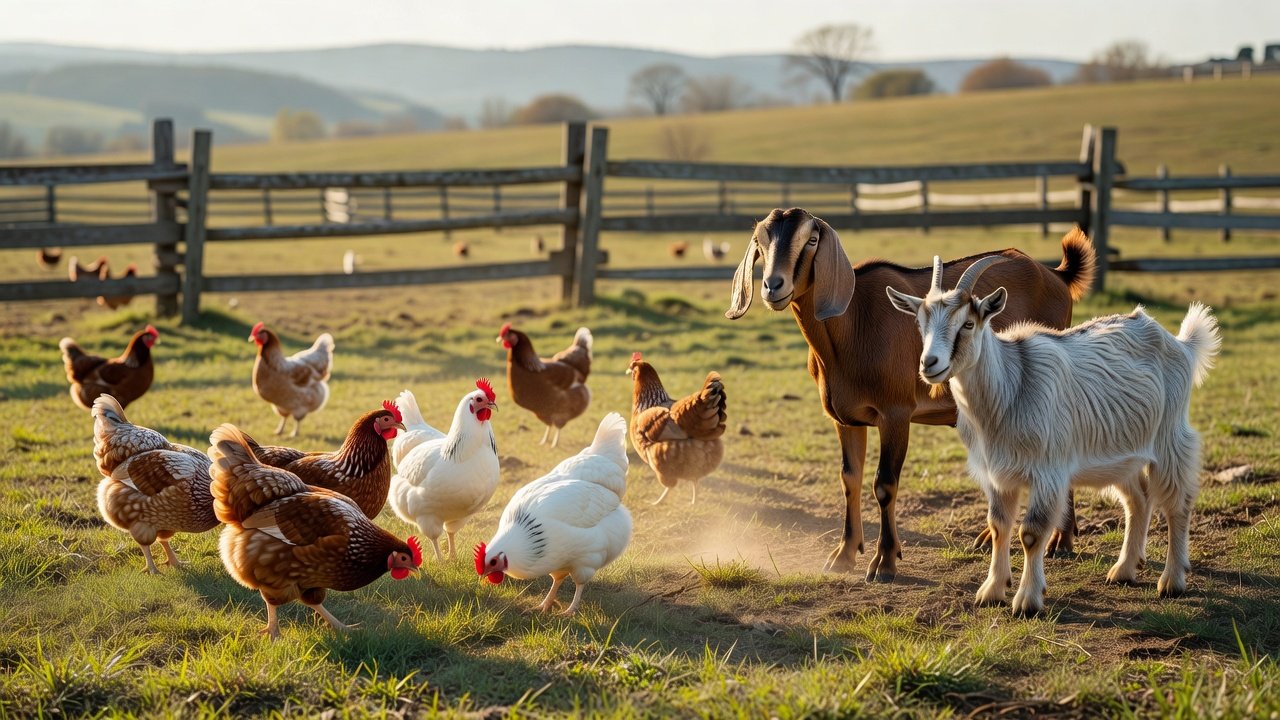
Farm animals like chickens, goats, and sheep have distinct personalities that many pet owners find endearing. Chickens can be trained to come when called, goats love to climb and play, and sheep often recognize their caretakers. Starting small helps build confidence before scaling up. Local regulations, space, and time commitment are key considerations before bringing any livestock home.
\n\n
Getting Started with Backyard Poultry
\n
Chickens and ducks are popular entry points. A small flock of 4-6 birds needs a secure coop (at least 4 sq ft per bird inside, more for the run), fresh water, and quality feed. Ducks appreciate a shallow pool for bathing. Daily routines—morning release, evening lockup, and fresh bedding—fit well into busy schedules. Cooperative Extension services emphasize providing enrichment like perches, dust baths, and scattered treats to encourage natural behaviors.
\n\n
Goats and Sheep for Larger Spaces
\n
These social herd animals do best in pairs or small groups. Nigerian dwarf goats are a good fit for smaller properties due to their size. They excel at clearing brush naturally. Sheep and goats need sturdy fencing (they are excellent escape artists), shelter from wind and rain, and structures for climbing. Regular grooming and hoof care build trust and are great bonding activities. University extension programs provide region-specific guidance on pasture management and rotational grazing to keep land healthy.
\n\n
Daily Routines and Enrichment
\n
Consistent schedules are the foundation of happy animals. Provide species-appropriate feed (layer pellets for laying hens, hay and minerals for ruminants), clean water, and safe housing. Rotate pastures to prevent overgrazing and maintain soil health. Enrichment ideas include puzzle feeders for pigs (highly intelligent problem-solvers), climbing platforms for goats, and dust-bathing areas for poultry. Observing their natural behaviors—pigs rooting, chickens foraging—brings joy similar to watching cats play.
\n\n
Community Resources and Learning Opportunities
\n
Join local 4-H clubs, visit county fairs, or connect with small acreage landowner programs through your state’s Cooperative Extension. These resources offer workshops on everything from basic husbandry to sustainable practices. Sanctuaries and rescues sometimes place animals that need experienced homes—always visit in person and learn their history.
\n\n
Sustainable Practices for Modern Owners
\n
Many small-scale owners embrace regenerative practices like rotational grazing, which improves soil, sequesters carbon, and supports biodiversity. Heritage breeds preserve genetic diversity. Choosing local, ethically raised products supports farmers who prioritize animal welfare. As a rescue advocate, I see strong parallels between giving farm animals enriching lives and the second chances we give shelter pets.
\n\n
Sources
\n
Sources
\n
- \n
- Cooperative Extension System – Small Acreage Livestock Resources
- USDA – Animal Care Information
- UC ANR – Backyard Livestock Care Guides
- Old Farmer’s Almanac – Livestock for Beginners
- Humane Society of the United States – Farm Animal Welfare
\n
\n
\n
\n
\n
\n
\n\n\n
Related Posts
\n
- \n
- Farm Animals: Complete Guide to the Creatures That Feed Our Nation
- Are Spiders Animals? What Every Pet Owner Should Know
- Zoo Animals: Fascinating Facts and Care Tips
- Baby Animals
- Weird Animals That Will Blow Your Mind
\n
\n
\n
\n
\n
\n
Health Monitoring and Preventive Care Basics
While we’re not offering medical advice, understanding the signs of a healthy farm animal helps you catch issues early. Regular observation—checking eyes, ears, coat condition, and behavior—builds familiarity with what’s normal for each individual. Keep basic records of feed changes, weather patterns, and any behavioral shifts. Many small-scale owners work with veterinarians who specialize in livestock, even if visits are less frequent than with companion pets. Having a trusted vet contact and knowing when to reach out creates peace of mind and strengthens your animal care foundation.
Biosecurity practices protect your herd’s wellbeing. Simple steps like quarantining new arrivals for a few weeks, maintaining clean water sources, and limiting visitor contact with your animals help prevent disease spread. Different species have different vulnerabilities, so connecting with experienced local farmers or extension educators who know your region’s challenges is invaluable. Building this knowledge gradually—rather than all at once—makes the learning curve manageable for newcomers.
Seasonal Considerations and Year-Round Management
Farm animals experience seasonal changes just as wild creatures do, and adjusting care accordingly keeps them comfortable through all weather. Summer heat requires extra shade, cooler water, and adjusted feeding schedules; winter demands robust shelter, additional bedding, and potentially supplemental feed when pasture growth slows. Spring brings breeding season for many species, while fall is ideal for preparing infrastructure and reviewing annual progress. Thinking seasonally aligns your homestead rhythm with natural cycles, much like how gardeners plan around frost dates and growing seasons.
Many experienced homesteaders keep simple journals tracking seasonal tasks—when to open the coop for spring cleaning, which month the goats typically need hoof trims, or when to stock extra hay. This organized approach reduces stress and ensures nothing falls through the cracks as seasons shift. Seasonal variation also offers learning opportunities; watching animals adapt to weather changes teaches you about their resilience and needs in ways that flat, unchanging routines simply cannot. This cyclical awareness deepens the connection between caretaker and animal, transforming farm life from a checklist into a meaningful partnership with the land and creatures in your care.