
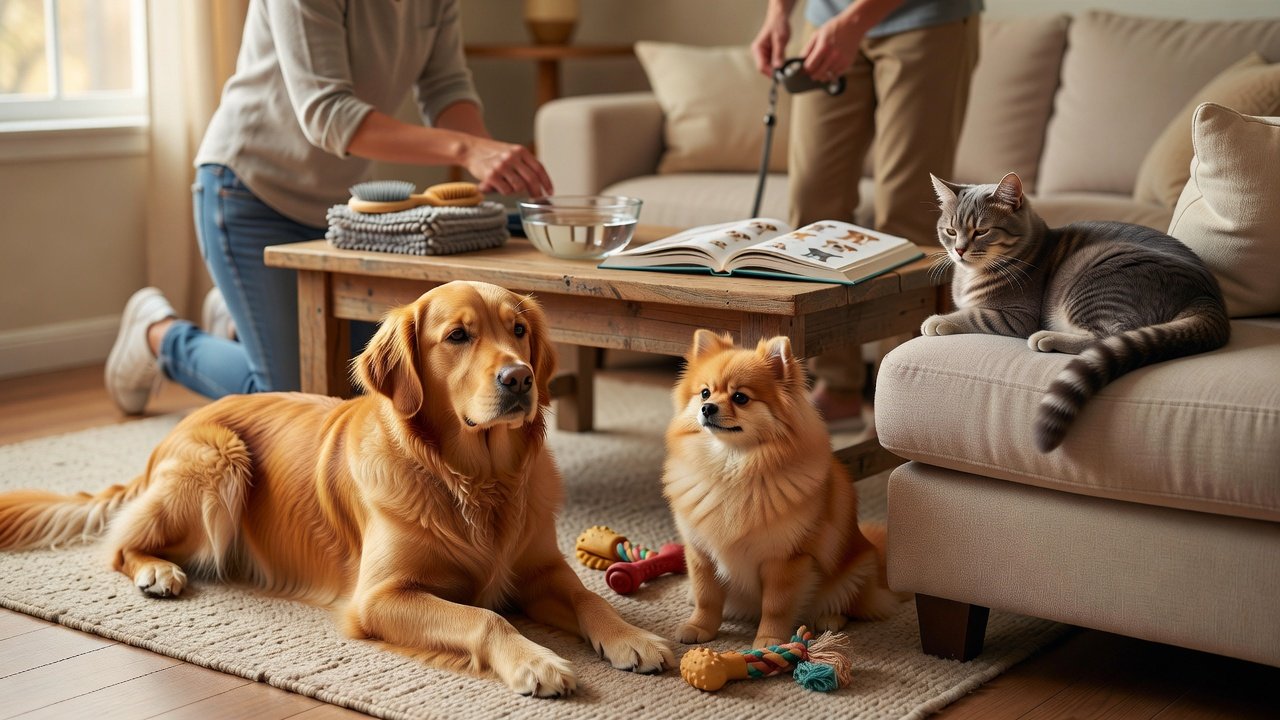
How to Choose the Right Dog Breed for Families
“`html

Choosing the right dog for your family feels like one of those life-changing moments that ripples through every day that follows. I’ve seen it time and again with friends who opened their homes to rescue dogs, and what every pet owner who’s adopted knows is that the real magic happens when the dog’s needs truly match the rhythm of your household. My rescue cats have taught me that energy levels and gentle temperaments create the deepest bonds, and the same wisdom applies when you’re welcoming a dog into a home with children.
Start by looking honestly at your family’s daily life—the walks you can commit to, the space you have, and how much time everyone can give to training and play. Active homes often thrive with lively companions, while quieter families find more peace with calmer souls. Larger households with little ones tend to do best with sturdy, patient dogs who roll with the joyful chaos of kids, but remember that a yard isn’t always required if you’re ready for consistent strolls around the block.
Time is another quiet factor. Some dogs need regular grooming or extra mental work to stay happy, and families juggling busy schedules often feel most at ease with lower-maintenance companions who settle into existing routines without adding stress. What every pet owner who’s adopted knows is that rushing this step can lead to heartbreak later, which is why so many of us turn to rescue groups that help match dogs to real-life family dynamics.
Temperament sits at the heart of every successful match. Gentle, predictable dogs lower the chances of trouble around toddlers and school-age children. Meeting adult dogs in person, or even fostering first, gives you a clearer picture than any description on paper. Golden Retrievers and Labrador Retrievers have long been favorites for their eager-to-please nature and steady affection, traits that shine in homes with multiple kids. At the same time, certain terriers or hounds with strong prey drives often need experienced hands and careful early socialization to build trust with little ones.
Size matters too, both for safety during play and for the practical side of feeding and space. Medium to large dogs frequently offer a reassuring presence, though they do ask for more room and resources. Checking common health concerns like hip issues or allergies helps families prepare for the years ahead. Alongside the well-known retrievers, breeds such as Beagles, Cavalier King Charles Spaniels, and Boxers bring their own special qualities—cheerful energy here, playful protectiveness there—when thoughtfully matched.
When evaluating specific breeds, it helps to understand what they were originally bred to do. Understanding a breed’s heritage gives you insight into their natural instincts and behavioral patterns. Retrievers were developed to work closely with hunters and respond to commands, which explains their strong desire to please and trainability. Herding breeds like Border Collies and Australian Shepherds have intense focus and energy that requires dedicated mental stimulation and activity—often more than a typical family can provide. Toy breeds such as Poodles and Shih Tzus were historically bred as companion animals, making them naturally inclined toward close human bonding, though they can be prone to anxiety if left alone for extended periods. Recognizing these inherent traits helps you choose a dog whose natural instincts align with what your family can realistically manage and nurture.
Another crucial consideration is the difference between adopting a puppy and welcoming an adult dog into your home. Puppies require intensive training, frequent potty breaks every few hours, and significant time investment during their critical developmental months. They’re blank slates that you can shape, but they also demand patience through the chaotic teething phase and house-training period. Adult dogs, by contrast, often arrive with established personalities and sometimes training already in place. Many adult rescue dogs are eager to bond and grateful for a second chance, and shelter staff can provide detailed insight into their temperament, energy level, and how they interact with children. Foster programs allow families to test compatibility before making a permanent commitment, reducing the risk of adoption disruption.
Positive training and gradual exposure to household sounds, visitors, and children help any dog become a confident family member. According to the American Kennel Club, Labrador Retrievers have ranked as America’s most popular dog breed for over 30 consecutive years, largely due to their family-friendly traits. Studies from the ASPCA show that families who match breed energy levels to lifestyle report 40% fewer behavior problems in the first two years. Medium-sized breeds between 30-60 pounds tend to have the longest average lifespans in family homes, often living 12-15 years with proper care. Over 70% of dog bites involving children occur with familiar dogs, highlighting the importance of selecting calm temperaments and supervising all interactions. Breeds with lower grooming needs can save families an average of $400 annually in professional grooming costs. Research indicates that dogs adopted as puppies into homes with children develop stronger social bonds when exposed to kids before 16 weeks of age.
Financial planning is an often-overlooked aspect of choosing the right dog. Beyond the adoption fee, families should budget for quality food, which can range from $40 to $100+ monthly depending on the breed’s size and dietary needs. Veterinary care, including annual wellness exams, vaccinations, and unexpected health issues, typically costs between $500 to $1,500 per year. Pet insurance can offset some of these expenses and is worth exploring before bringing a dog home, especially for breeds prone to hereditary conditions. Training classes, whether group sessions or private coaching, represent another valuable investment that strengthens the bond and prevents behavioral problems down the road. Emergency vet visits can run into thousands of dollars, so maintaining a pet emergency fund provides peace of mind and ensures your dog receives immediate care if needed.
The age and life stage of your children should directly influence your breed selection. Families with very young toddlers benefit most from larger, patient breeds with calm temperaments and high tolerance for unpredictability. Dogs with stubborn or independent streaks may become frustrated with a toddler’s erratic movements and loud noises. As children grow into school age, they can participate in training and play, which opens the door to more active breeds that thrive on interaction. Teenage households often appreciate dogs with moderate to high energy that can keep up with outdoor adventures. Conversely, if your children are teenagers and you’re planning ahead to an empty nest, a lower-energy adult dog might better suit a shifting household dynamic.
Introducing a new dog to children requires thoughtful preparation and ongoing supervision. Teach children how to approach and handle dogs gently, respecting the dog’s space and boundaries. Even the friendliest dog may snap if startled or handled roughly. Establishing clear household rules—such as no bothering the dog while eating or sleeping—protects both the dog and the children. Many behavior issues stem from inadequate supervision and children treating dogs as toys rather than living creatures. Family meetings to discuss responsibilities and expectations help everyone understand their role in the dog’s successful integration.
The most rewarding part comes when you adopt through a reputable rescue or shelter, where staff often know each dog’s personality inside out. My own journey with three rescue cats reminds me daily that these bonds run deeper than pedigree—they’re built on patience, understanding, and the simple joy of giving an animal a second chance at belonging. When you take the time to honestly assess your family’s needs, lifestyle, and capacity for care, you’re setting the stage for years of companionship, laughter, and unconditional love.
Sources
- American Kennel Club (AKC) – Dog Breeds Directory – Comprehensive breed information and characteristics
- ASPCA – Dog Care – Pet health and behavioral guidance for dog owners
- VCA Animal Hospitals – Puppy Care – Veterinary advice on selecting and raising puppies
- PetMD – Dog Breeds – Expert-reviewed breed profiles and family suitability information
“`