
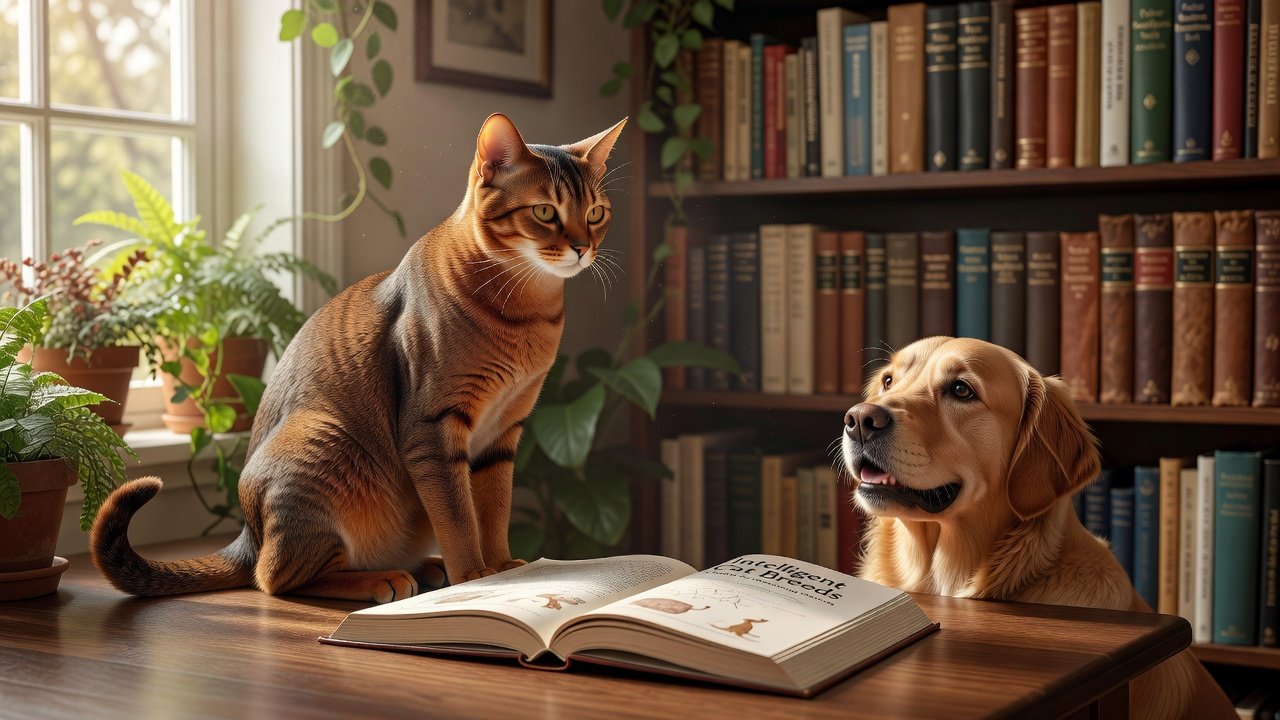
Most Intelligent Cat Breeds Ranked for Owners
“`html
When I first brought home my trio of rescue cats, I quickly learned that smarts in a feline have little to do with pedigree papers and everything to do with heart, curiosity, and the bond we build together. What every pet owner who’s adopted knows is that even cats from the shelter can surprise you with their problem-solving flair and deep affection. That same spirit shows up in the breeds often celebrated for intelligence, and choosing one (or, better yet, adopting a clever mix) can turn everyday moments into shared adventures that keep both of you engaged for years.
Cat intelligence shows itself in how quickly a cat figures out a puzzle feeder, remembers where the treat jar hides, or picks up on your daily routines. My rescue cats have taught me that motivation comes more from affection and mental play than from food alone. These traits help prevent boredom behaviors like scratching or endless meowing, something families quickly notice once they start offering enrichment that matches their cat’s energy.
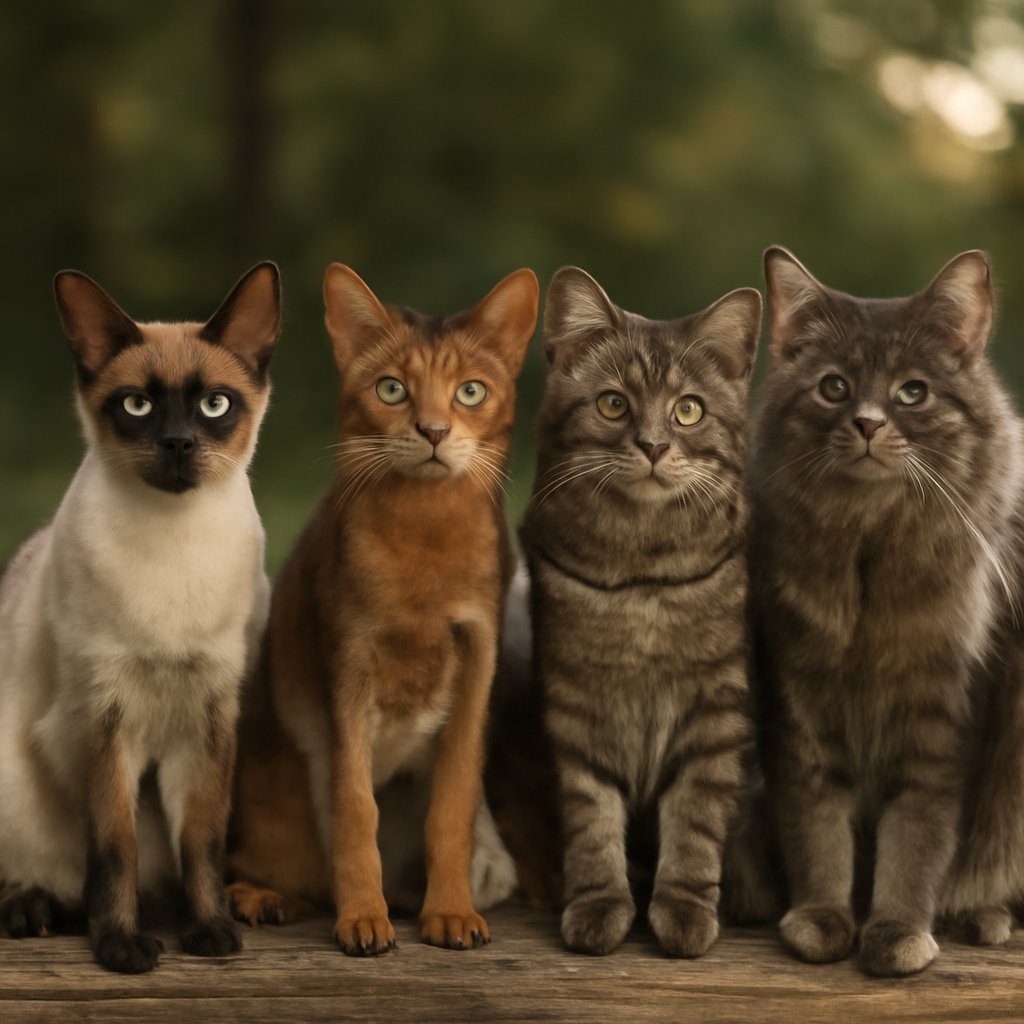
Among the breeds that consistently rank high, the Abyssinian stands out for its athletic curiosity and love of fetching toys or conquering elaborate cat trees. Bengals bring wild energy and sharp spatial memory, excelling at hunting-style games that keep their minds busy. Siamese cats shine with their chatty nature and eagerness for clicker training, often learning to communicate needs through a whole range of vocal sounds. Burmese and Sphynx cats follow close behind; the loyal Burmese can master simple commands like sitting, while the affectionate Sphynx thrives on daily interaction and needs extra warmth and twice-weekly skin care. Scottish Folds and Oriental Shorthairs also impress with their skill at puzzle toys and interactive play that supports lifelong cognitive health.
Understanding what makes these breeds uniquely intelligent helps owners match their lifestyle with the right feline companion. Abyssinians, for instance, are descended from African wildcats and retain that keen hunting instinct paired with boundless energy. They’re not the type to lounge by a window all day—these cats need climbing structures, interactive play sessions, and tasks that engage their minds. A bored Abyssinian can become destructive or develop stress-related behaviors, so owners should expect to dedicate significant time to play and enrichment activities.
Bengals represent another level of intelligence complexity. Their ancestry includes the Asian Leopard Cat, giving them distinctive spotted or marbled coats and an equally distinctive personality. These cats excel at learning tricks, opening cabinets, and understanding cause-and-effect relationships with impressive speed. Many Bengal owners report their cats learn their names within days and respond to hand signals or voice commands. However, this intelligence also means Bengals can manipulate their owners and may persistently work at puzzle feeders until they figure out the solution—sometimes leading to spilled contents or unexpected messes.
Siamese cats have long been recognized as exceptionally vocal and socially intelligent. Rather than communicating through subtle body language alone, Siamese actively “talk” to their owners with chirps, meows, and yowls that seem almost conversational. This breed forms intense bonds with their humans and can become distressed when left alone for extended periods. Their social intelligence means they pick up on human emotions and routines with remarkable accuracy. Owners often find their Siamese greeting them at specific times or following them from room to room, adapting their own behavior to match household patterns.
The Burmese breed brings a different kind of intelligence—one rooted in emotional awareness and loyalty. These muscular, affectionate cats bond deeply with their families and show genuine interest in participating in daily activities. Burmese cats can learn to walk on harnesses, come when called, and even play simple games like hide-and-seek. Their intelligence is less about puzzle-solving and more about reading social cues and responding with appropriate affection or attention-seeking.
Sphynx cats, despite their unusual hairless appearance, possess sharp minds matched with an intense need for social connection. Because they lack fur for temperature regulation, these cats become highly attuned to their environment and their owners’ presence, seeking warmth and companionship constantly. This breed’s intelligence manifests in their ability to communicate needs clearly and their aptitude for learning routines. They excel with clicker training and respond well to positive reinforcement, making them surprisingly obedient for cats.
Scottish Folds and Oriental Shorthairs round out the high-intelligence category with their own strengths. Scottish Folds, recognizable by their folded ears and round faces, show impressive problem-solving skills and enjoy interactive toys that challenge their reasoning. Oriental Shorthairs, the sleek cousins to Siamese, inherit that breed’s vocal nature and social brilliance while adding an independent streak that makes them excellent explorers of puzzle toys and complex enrichment setups.
Training these bright companions works best with short, consistent sessions and plenty of variety. Rotate toys often, add wall shelves for climbing, and use treat-dispensing balls to channel natural hunting instincts without extra calories. Two hours of interactive play each day makes a noticeable difference, and many owners find that adopting in pairs lets cats entertain one another when the house is quiet. Regular vet visits, balanced nutrition, and omega-3 support under guidance help protect brain health as they age.
When training an intelligent cat, patience and understanding of feline motivation prove essential. Unlike dogs, cats don’t work primarily for praise or to please their owners. Instead, they respond best when they see a direct benefit to themselves—whether that’s access to treats, a favorite toy, or preferred time with their owner. Short training sessions of five to ten minutes work better than longer ones, as cats have shorter attention spans and can become frustrated or lose interest quickly. Using high-value treats, like freeze-dried meat or special wet food, increases motivation significantly.
Clicker training has shown remarkable success with intelligent cat breeds. The clicker creates a consistent, immediate marker that tells the cat “that behavior earned a reward,” bridging the gap between action and payoff. Many owners teach their cats to sit, come, high-five, or even walk through agility courses using this method. The key is consistency—using the clicker the exact same way every time and following it immediately with a reward.
The numbers tell the story clearly: Abyssinians often solve multi-step puzzles in under two minutes, Bengals can remember lessons for years, and cats given daily enrichment show far fewer destructive habits. These intelligent breeds typically enjoy twelve to fifteen years of companionship when cared for thoughtfully. Research indicates that cats with regular mental stimulation maintain cognitive function better as they age and show fewer signs of age-related behavioral decline.
Environmental enrichment plays as crucial a role as training in keeping intelligent cats happy. Wall-mounted shelves, cat trees with multiple levels, window perches for bird-watching, and rotating toy selections all contribute to cognitive engagement. Some owners create “catios”—enclosed outdoor spaces that let cats experience fresh air and outdoor stimuli safely. Others use window bird feeders, fish tanks, or video entertainment designed for cats to provide mental stimulation during quiet hours.
Puzzle feeders and food-dispensing toys transform mealtime into an intellectual challenge. Rather than eating from a regular bowl, intelligent cats work to extract kibble from increasingly complex toys, engaging their problem-solving abilities while naturally slowing their eating pace and preventing overeating. Rotating different types of puzzles prevents habituation and maintains the novelty and challenge.
In the end, welcoming a smart cat—whether a listed breed or a bright-eyed rescue—rewards you with a relationship built on trust, play, and mutual delight. By offering enrichment, steady health care, and positive reinforcement, you help your feline friend thrive while deepening the kind of lifelong bond that makes rescue work and pet parenthood so meaningful. The investment in mental stimulation and engaged companionship transforms a basic pet relationship into a dynamic partnership where both owner and cat grow together.
Sources
- American Kennel Club (AKC) – Breed information and standards
- ASPCA – Cat care and breed guides
- VCA Animal Hospitals – Cat breed information and health guides
-
Related Posts
- Most Intelligent Dog Breeds Ranked by Experts
- Top 10 Most Popular Cat Breeds in America
- Top 10 Most Affectionate Cat Breeds for Beginners
- Cat Breeds Most Popular
- Popular Large Cat Breeds and Care Needs