
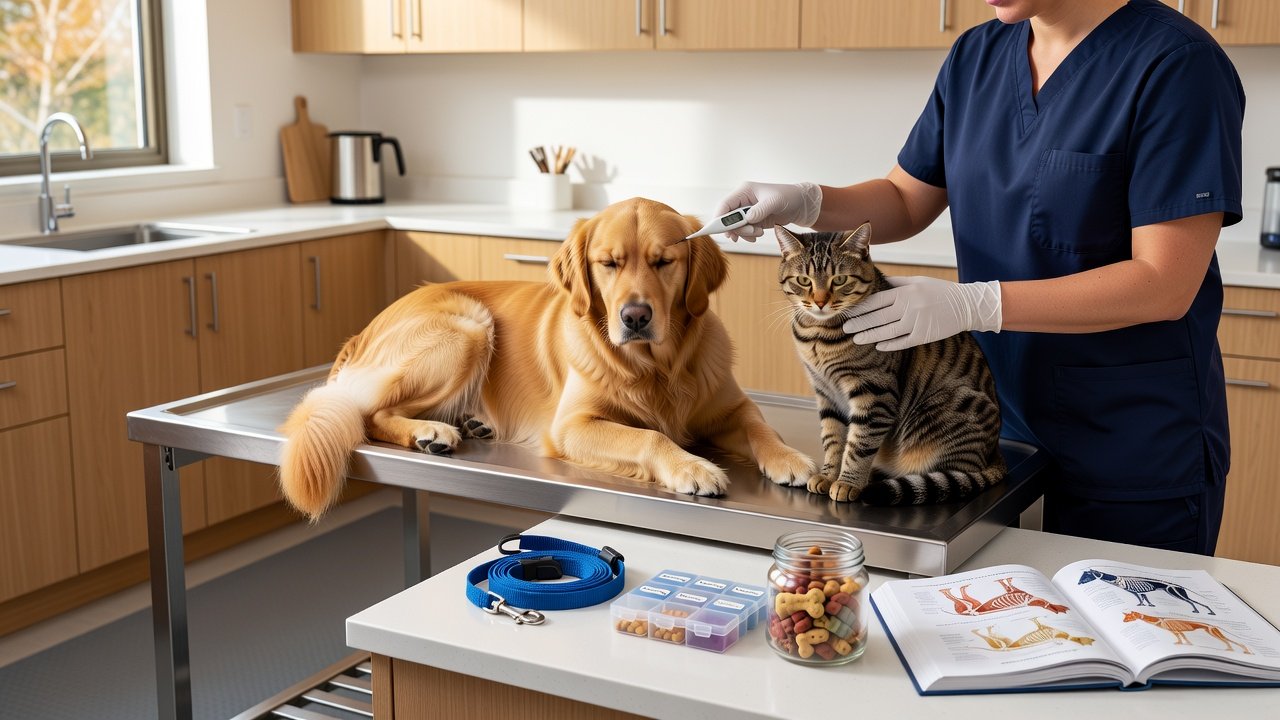
Benefits of Regular Veterinary Checkups for Pets
“`html

Regular veterinary checkups remain one of the most effective ways to safeguard a pet’s long-term health, catch emerging problems before they escalate, and support everything from nutrition plans to structured training programs for dogs and cats of every background. These visits give owners concrete data on growth, organ function, and behavior patterns that influence daily management from the first months of life through the senior stage.
From a clinical standpoint, what owners miss here is how subtle shifts in weight, coat quality, or mobility often precede obvious symptoms. In my years as a vet tech, I’ve seen this situation countless times with Labrador Retrievers whose hip dysplasia only became apparent once lameness set in; earlier radiographs during routine exams would have allowed joint-support supplements and modified exercise protocols to preserve function.
Early detection through physical exams, bloodwork, and targeted screenings identifies conditions such as diabetes, kidney disease, or heart murmurs well before they reach crisis levels. Breed-specific risks stand out clearly in practice: German Shepherds and Golden Retrievers frequently require X-ray monitoring for elbow or hip changes, while Maine Coons and Persians benefit from cardiac auscultation to flag hypertrophic cardiomyopathy. Spotting these trends early integrates directly with training adjustments, letting active dogs maintain leash work or agility drills without pain-related setbacks.
Preventive protocols form the backbone of every wellness appointment. Updated vaccinations, parasite control, and dental evaluations reduce exposure to rabies, feline leukemia, and parvovirus. For Border Collies or Australian Shepherds, heartworm prevention discussed during visits pairs naturally with high-energy obedience routines, keeping focus sharp because the dog stays comfortable. Customized schedules matter; Bulldogs often need respiratory-tailored boosters, and Bengals may require added leukemia protection, with titer testing preventing unnecessary revaccination.
Nutrition and parasite guidance delivered at these appointments addresses real-world variables I encounter daily. Ragdoll cats with sensitive digestion or Beagles prone to food-driven weight gain receive portion and ingredient recommendations that align with reward-based training methods. Flea-free pets simply perform better during sessions, as irritation no longer distracts from cues.
Behavioral issues frequently trace back to undetected discomfort. Senior Golden Retrievers showing arthritis on exam can have their training exercises adapted to low-impact patterns that protect joints while still providing mental stimulation. Sphynx cats with dermatologic sensitivities respond well when grooming is reframed as positive-reinforcement handling practice. Mixed-breed rescues and purebreds alike gain from consistent tracking of dental health in small dogs like Chihuahuas and weight management plans that prevent obesity-related training plateaus.
Data from multiple veterinary sources supports these outcomes: annual checkups correlate with roughly 30 percent fewer emergency presentations, vaccination adherence cuts parvovirus incidence by up to 85 percent in puppies, and consistent parasite prevention lowers heartworm rates by about 70 percent in endemic areas. When underlying pain is resolved, training success improves measurably, and senior pets attending biannual exams often gain an average of two additional years of quality life.
Understanding the financial implications of preventive care versus emergency intervention reveals compelling economics. A routine annual checkup typically costs between $200 and $500, depending on your region and veterinary clinic. In contrast, emergency visits for conditions that could have been caught early—such as urinary blockages in cats, gastric dilatation in dogs, or advanced kidney disease—often exceed $1,500 to $5,000 or more. Pet owners who establish regular checkup schedules consistently report lower overall veterinary expenses across their pet’s lifetime, even when factoring in preventive bloodwork and screenings. Insurance premiums also tend to favor pets with documented preventive care histories, making routine visits an investment that pays dividends financially and emotionally.
The role of dental health deserves particular emphasis, as many pet owners underestimate its importance. Dental disease affects roughly 80 percent of dogs and cats over the age of three, yet remains largely preventable through professional cleanings and daily home care. Veterinarians performing regular exams catch tartar buildup, gum recession, and tooth decay before they progress to painful infections or tooth loss. Untreated dental disease doesn’t just compromise eating comfort; bacteria from oral infections can migrate to the heart, kidneys, and liver, causing systemic damage. During wellness visits, vets discuss appropriate chew toys, dental diets, and brushing techniques tailored to individual pets. For anxious animals, establishing positive associations with dental handling during routine exams makes professional cleanings less stressful later.
Geriatric pets benefit tremendously from increased exam frequency. Veterinarians recommend biannual checkups for animals over seven years old, with some suggesting quarterly visits for pets exceeding twelve years. Senior exams often include comprehensive bloodwork panels, urinalysis, and blood pressure monitoring to catch age-related conditions like hypertension, cognitive dysfunction, or declining organ function. Early intervention with medications, supplements, or dietary adjustments frequently extends both lifespan and quality of life significantly. A ten-year-old cat diagnosed with early-stage kidney disease through bloodwork can remain comfortable and active for years with appropriate treatment, whereas the same condition discovered only when symptoms appear may allow only weeks of remaining comfort.
The veterinarian-client relationship itself strengthens through regular contact. Establishing continuity with the same veterinary practice means your pet’s medical history remains accessible and detailed, allowing vets to recognize gradual changes that might go unnoticed with sporadic care. Your veterinarian learns your pet’s baseline temperament, normal energy levels, and eating habits, making it easier to identify deviations that signal illness. This relationship also creates a comfortable environment for discussing concerns, whether related to behavioral questions, dietary changes, or end-of-life care planning. Pets that visit regularly often become less anxious during veterinary visits, making examinations more thorough and less stressful.
Climate and lifestyle factors should inform checkup frequency and focus. Pets in warmer regions face year-round parasite exposure, necessitating consistent prevention and monitoring throughout all seasons. Dogs with outdoor access require more frequent tick and flea screenings, plus annual Lyme disease risk assessment. Indoor cats living in urban environments may benefit from different preventive protocols than rural barn cats. Veterinarians tailor recommendations based on individual risk factors, ensuring that resources focus on genuine threats rather than generic recommendations.
Vaccinations represent one of the most misunderstood aspects of preventive care. While puppies and kittens require initial vaccine series followed by boosters, adult vaccination schedules vary significantly. Many pets need only triennial boosters for core vaccines like rabies and DHPP, while others benefit from annual updates based on lifestyle. Titer testing—measuring antibody levels in the blood—can determine whether revaccination is truly necessary, preventing unnecessary injections while ensuring adequate protection. Discussing vaccine strategy during wellness visits ensures your pet receives appropriate protection without over-vaccination, addressing legitimate concerns about vaccine safety while maintaining disease prevention.
Incorporating these visits into a standing schedule therefore delivers measurable returns in disease prevention, breed-appropriate care, and training reliability. The practical result is a dog or cat that remains engaged, mobile, and comfortable across all life stages. Whether your pet is a rambunctious puppy just beginning life’s journey or a dignified senior enjoying their golden years, regular veterinary checkups form the foundation of a long, healthy, and joyful partnership.