

Health Benefits of Regular Dental Care for Dogs
“`html
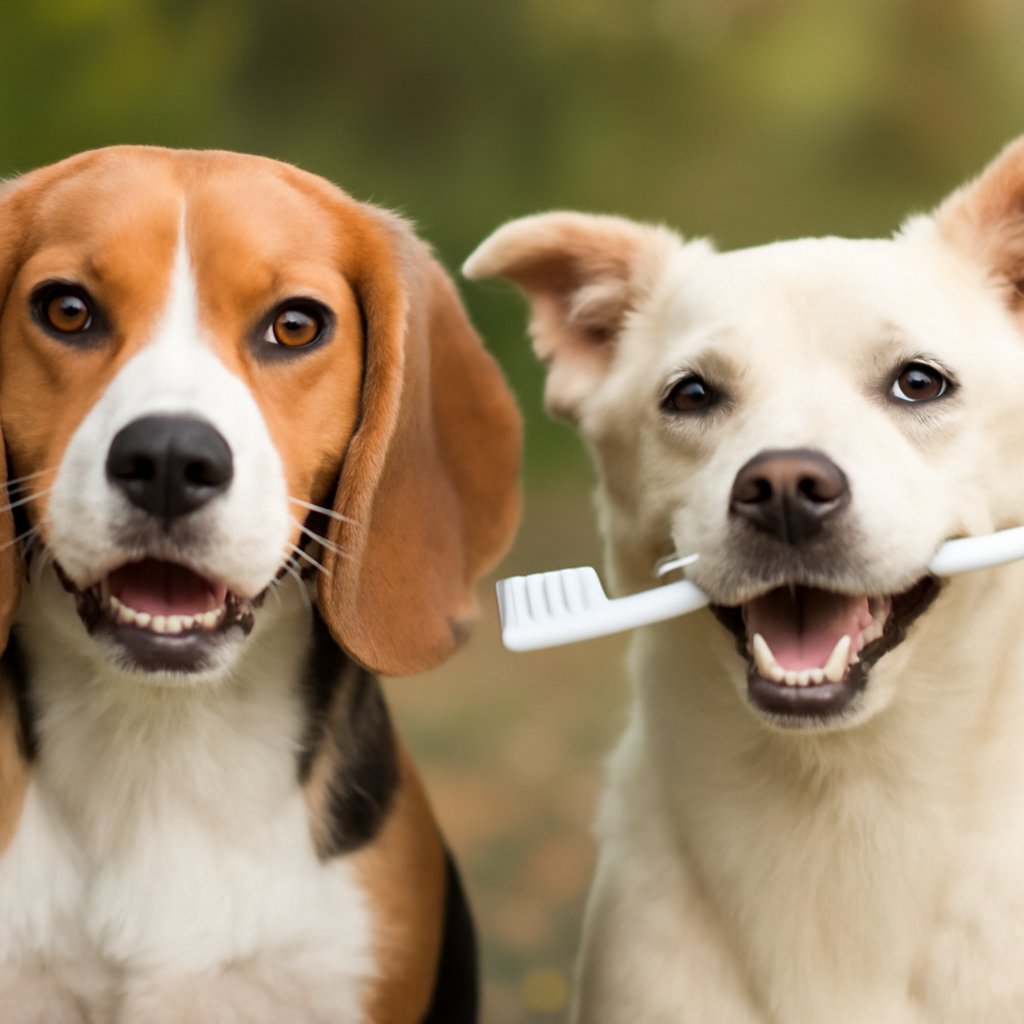
Regular dental care for dogs often gets pushed aside in daily routines, yet from a clinical standpoint it stands as one of the most direct ways to protect overall health. In my years as a vet tech, I’ve seen countless dogs enter the clinic with advanced periodontal disease that could have been caught much earlier through simple home habits. Poor oral hygiene allows plaque to mineralize into tartar, creating pockets that harbor bacteria capable of entering the bloodstream and reaching the heart, kidneys, and liver. Consistent routines not only improve breath but also reduce systemic inflammation, and this holds true whether you’re working with a high-drive Husky or a compact Terrier.
From a clinical standpoint, what owners miss here is how quickly canine periodontal disease advances once tartar forms along the gumline. Small breeds like Chihuahuas and Yorkshire Terriers develop crowded dentition that traps debris faster, while larger dogs such as Labrador Retrievers may mask discomfort until bone loss is significant. The progression moves from gingivitis to loosening teeth and eventual osteomyelitis if left unchecked. Training a dog to tolerate brushing starting in puppyhood, using positive reinforcement methods I’ve refined over a decade, integrates the process into daily life without resistance. Spotting early indicators such as food avoidance or pawing at the muzzle lets us intervene before chronic pain alters activity levels and quality of life.
The benefits reach beyond the oral cavity because bacteria from untreated dental disease correlate strongly with endocarditis and chronic renal changes that shorten lifespan. Scheduling professional cleanings under anesthesia every one to two years, paired with daily home care, lowers circulating inflammatory markers. Enzyme-based dental chews and water additives serve as practical adjuncts between visits, while comfortable mastication supports better nutrient uptake across breeds. I’ve found that folding dental work into obedience sessions strengthens both compliance and the human-animal bond, turning what could be a struggle into reliable cooperation.
Effective routines begin with veterinary-approved toothpastes and soft-bristled or finger brushes, targeting the outer surfaces for two-minute sessions daily. Prescription dental diets provide mechanical abrasion during chewing, and routine oral exams at wellness visits catch subclinical issues before they require extractions. For dogs that resist, gradual desensitization through counter-conditioning builds tolerance efficiently. Flavored wipes offer a backup on hectic days, and tracking changes with photos helps owners stay motivated. Combining these steps with dental toys adds cognitive enrichment without extra time.
Understanding the connection between oral and systemic health reveals why dental disease deserves the same attention as vaccinations or parasite prevention. When bacteria from infected teeth and gums enter the bloodstream, they can seed infections throughout the body. This bacteremia—the presence of bacteria in the blood—occurs even during routine chewing in dogs with advanced periodontal disease, not just during veterinary procedures. The inflammatory response to these bacterial invaders accelerates aging of organ tissues and creates chronic low-grade inflammation that compounds over months and years. This is why dental neglect often appears as a silent contributor to conditions that owners attribute solely to aging, when intervention years earlier could have prevented significant organ damage.
The anesthesia concern frequently prevents owners from scheduling professional cleanings, yet modern veterinary protocols have made the procedure far safer than decades past. Pre-anesthetic bloodwork screens for underlying kidney or liver issues, and anesthesia protocols are tailored to each dog’s health status and age. The risk from untreated dental disease—including the cumulative effects of chronic bacteremia—substantially outweighs the minimal anesthesia risk when proper screening occurs. Senior dogs benefit particularly from professional cleanings because removing existing bacterial reservoirs reduces the daily bacterial load entering their circulation, providing measurable relief to already-compromised organs.
Creating a realistic home care plan matters more than pursuing perfection. If daily brushing feels unsustainable, establishing a routine three to four times weekly significantly reduces plaque accumulation compared to neglect, and adding supplemental tools like dental wipes or water additives on off-days multiplies effectiveness. The combination approach—even if brushing isn’t daily—outperforms sporadic intensive efforts. Owners who commit to whatever schedule they can maintain consistently see better outcomes than those who alternate between ambitious plans and abandonment. This is why discussing realistic expectations during veterinary visits matters; a vet tech or veterinarian can help tailor a plan to fit your household rather than recommending an ideal that generates guilt and abandonment.
Dietary choices influence dental health more than many owners realize. While kibble alone doesn’t clean teeth adequately, some prescription dental diets are specifically designed with texture and ingredients that increase salivary flow and reduce plaque formation. Soft diets accelerate plaque and tartar buildup because they don’t provide any mechanical cleaning action, so dogs on primarily soft food benefit especially from supplemental dental care. Raw or lightly cooked diets may have some antimicrobial properties due to enzymatic activity, though clinical evidence remains mixed. What remains consistent is that diet alone cannot replace brushing or professional care, and owners should avoid the false comfort of believing diet solves the problem entirely.
Recognizing signs of dental disease early allows intervention before pain changes your dog’s behavior and quality of life. Beyond obvious indicators like halitosis or visible tartar, subtle signs include reluctance to play with toys, preferring soft food, or appearing less enthusiastic during meals. Some dogs mask pain remarkably well, so absence of obvious symptoms doesn’t indicate healthy teeth. During home checks, gently lifting your dog’s lip to observe the gumline monthly takes seconds and often reveals tartar buildup or reddening before you might notice behavioral changes. Many dogs improve dramatically after dental cleaning, displaying renewed energy and playfulness that owners didn’t realize had diminished.
Key Facts and Statistics
– Over 80% of dogs develop some form of dental disease by age three, underscoring the need for early intervention.
– Regular dental care can reduce the risk of heart disease by up to 30% through lowered bacterial load in the bloodstream.
– Small breeds experience periodontal issues at twice the rate of large breeds due to tooth crowding and genetics.
– Professional cleanings combined with daily brushing extend average canine lifespan by one to two years in many cases.
– Untreated dental infections contribute to 20% of kidney and liver complications seen in senior dogs during wellness visits.
– Pet owners who follow structured dental routines report 50% fewer emergency dental extractions annually.
– Dental disease is the most common condition diagnosed in dogs during routine wellness exams, yet remains vastly underdiagnosed in cases where owners don’t bring dogs in for regular visits.
– Dogs with severe periodontal disease show inflammatory markers five to ten times higher than healthy counterparts, contributing to systemic aging.
The financial aspect of dental care deserves consideration as well. While professional cleanings carry upfront costs, they prevent far more expensive emergency extractions, antibiotic treatments for dental infections, and interventions for organ damage secondary to untreated dental disease. A single emergency dental extraction typically costs more than two years of preventive care supplies and professional cleaning visits combined. Insurance considerations vary, but many pet insurance plans now include dental coverage if policies are established before disease develops, making early enrollment cost-effective.
Incorporating these practices consistently delivers measurable gains in comfort, reduced veterinary interventions, and longevity. Whether managing an energetic Husky or a small-breed companion, the combination of clinical monitoring and structured training yields results that owners notice within weeks. Starting the process now prevents the silent progression I’ve observed too many times in exam rooms. The investment in daily habits and professional care stands among the highest-return health decisions you’ll make for your dog, with benefits accumulating visibly across quality of life, activity level, and years added to your time together.
Sources
- AKC – Dental Care for Dogs
- ASPCA – Dog Dental Health
- VCA Animal Hospitals – Dental Care for Dogs
-
Related Posts
- Benefits of Dental Care for Pet Health
- Essential Health Screenings for Breeding Dogs
- Health Risks Associated with Overfeeding Dogs
- Common Health Issues Affecting Senior Dogs Today
- Benefits of Regular Veterinary Checkups for Senior Pets
- Benefits of Regular Veterinary Checkups for Pets