
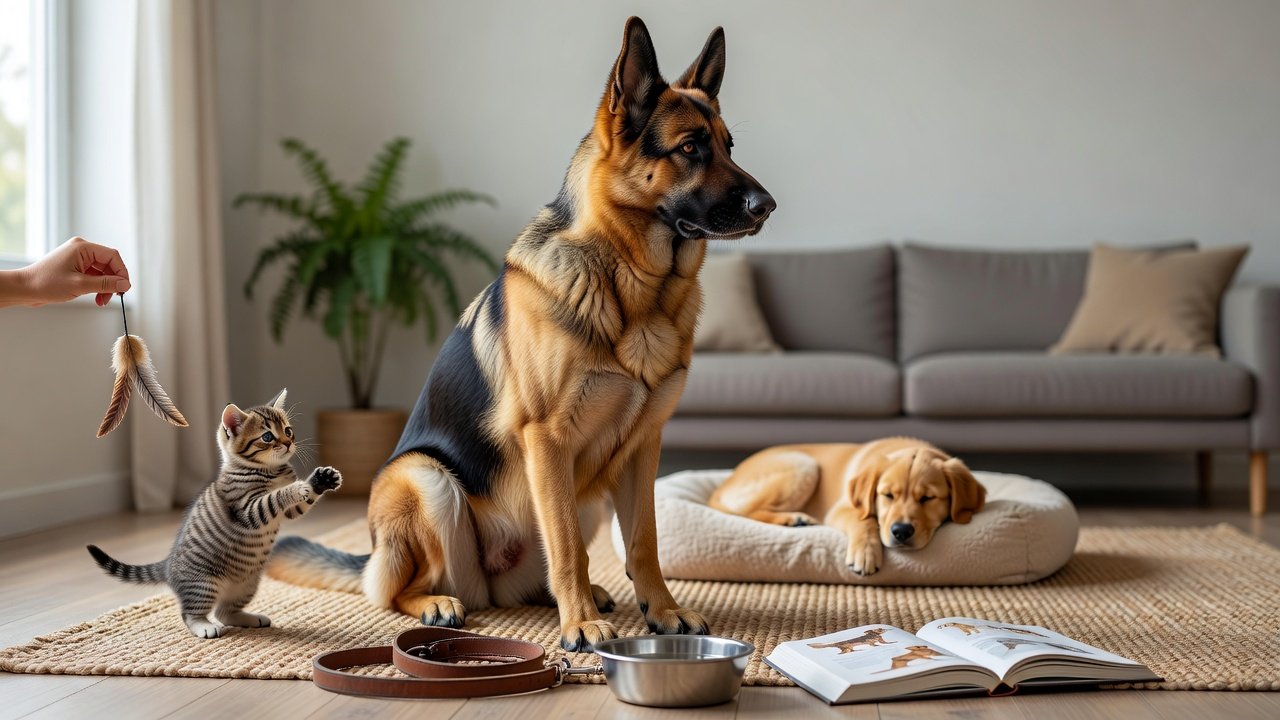
Understanding the Temperament of German Shepherds
“`html
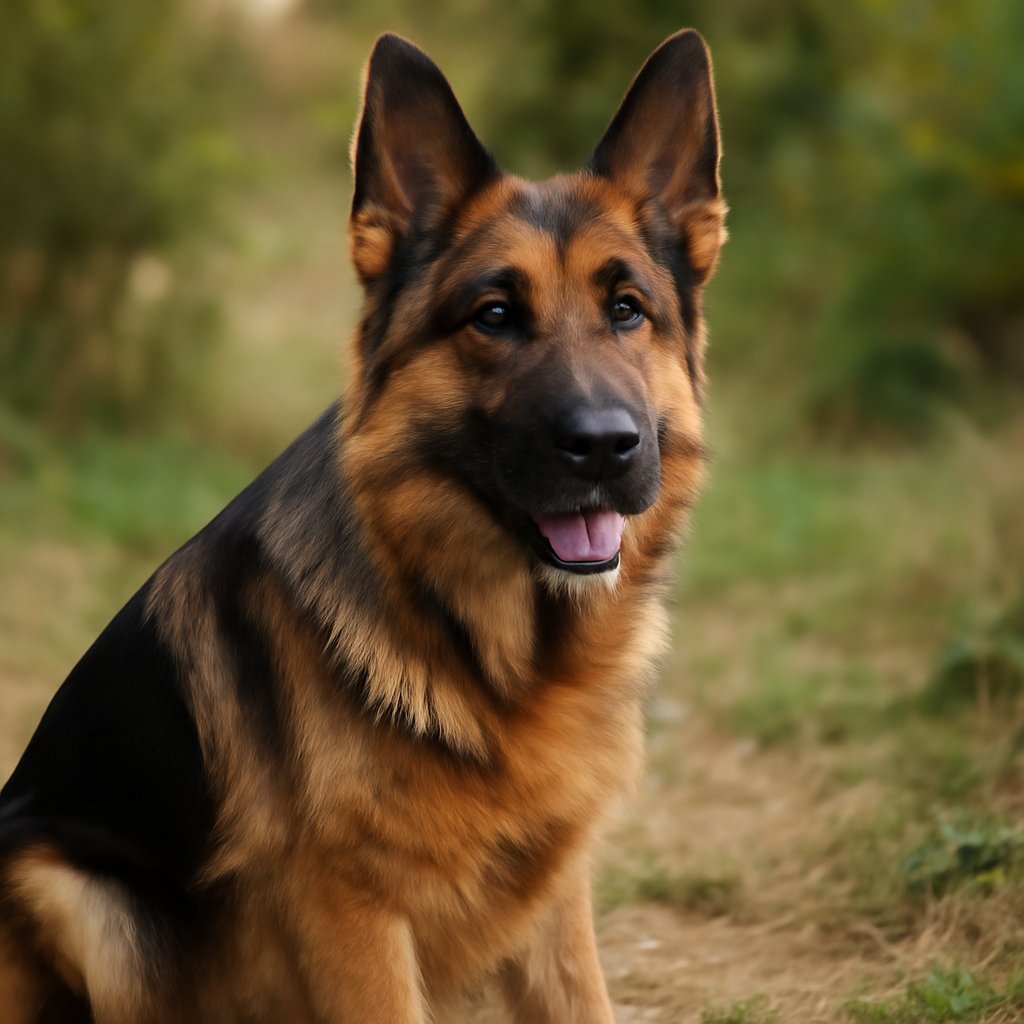
If you’re considering welcoming a German Shepherd into your home through adoption, getting to know their temperament feels like uncovering the heart of a loyal friend who’s been waiting for the right person. These dogs carry a remarkable blend of intelligence, loyalty, and protective spirit that has made them beloved companions around the world. Their working roots give them a natural drive to bond deeply and stay active, though it takes consistent training and early socialization to help them settle happily into family life. What every pet owner who’s adopted knows is that these qualities shine brightest when the dog feels secure and understood.
German Shepherds trace their temperament back to their origins as herding and guarding dogs in late 19th-century Germany. Bred for courage, smarts, and stamina, they developed that instinctive watchfulness and energy we still see today. This background explains why they flourish in homes that keep them mentally and physically engaged rather than leaving them bored on the couch. My rescue cats have taught me that every animal brings echoes of their past into our shared routines, and the same holds true here—respecting that heritage builds trust faster than anything else.
Early breeders shaped them for demanding roles in police work, military service, and search-and-rescue, strengthening their focus and eagerness to please. Rescue culture reminds us that many German Shepherds end up in shelters after those high-energy needs went unmet. When owners channel that heritage through agility, scent games, or simple daily tasks, the payoff is a stronger connection and far fewer restless behaviors.
At their core, these dogs tend to be confident and deeply attached to their people. They often follow their chosen family from room to room, offering quiet companionship. That same devotion can tip into separation anxiety without gentle preparation, something adoption stories frequently highlight. Their intelligence places them near the top of the ranks for learning ability, so they pick up complex cues quickly when positive methods are used. Harsh corrections only set them back, while short, rewarding sessions each day help them feel purposeful.
Loyalty and natural guarding instincts stand out as defining traits. Well-socialized German Shepherds make thoughtful watchdogs who stay calm unless a real need arises. Families often discover they become patient playmates with children once everyone learns respectful boundaries. Introducing them gradually to other pets, including cats like the trio that runs my own house, helps prevent chasing or herding tendencies left over from their farm days.
High energy remains a steady thread in their makeup. They generally need at least 60 to 90 minutes of vigorous movement daily—think long walks, fetch, or structured play—to stay balanced and avoid destructive outlets. Studies note that early socialization before 16 weeks greatly reduces fear-based issues later on, while consistent leadership prevents dominance problems from taking root. In multi-pet homes, slow introductions foster peaceful coexistence, and proper diet plus mental work can ease anxiety for many.
One aspect of German Shepherd temperament that deserves deeper exploration is their natural instinct to herd. Even when raised in suburban family settings, many will attempt to herd children, other pets, or even visitors by nipping at heels or circling around them. This isn’t aggression—it’s an inherited working behavior that can be redirected toward appropriate outlets. Teaching a solid “leave it” command and providing herding-appropriate activities, like working with a flirt pole or participating in treibball (a herding sport using large balls), satisfies this drive constructively. Owners who understand and honor this instinct rather than simply punishing it often find their German Shepherds become more relaxed overall.
German Shepherds also demonstrate remarkable emotional intelligence that often surprises new owners. They’re highly attuned to their human’s emotional state and can sense anxiety, stress, or sadness in ways that feel almost uncanny. This sensitivity is part of why they excel as service dogs for people with PTSD, anxiety disorders, and other conditions. However, it also means they absorb tension in the household, making a calm, consistent home environment crucial for their wellbeing. A stressed owner frequently produces a stressed German Shepherd, creating a feedback loop that training alone cannot fix without addressing the root cause.
The protective instinct in German Shepherds exists on a spectrum. Some are naturally more reserved with strangers, while others are outwardly friendly until they perceive a genuine threat. Neither extreme is problematic when the dog is well-trained and socialized. The key lies in teaching discrimination—helping them understand the difference between normal social situations and actual danger. Properly socialized German Shepherds with secure attachments to their families rarely become aggressive without legitimate cause. They’re far more likely to position themselves between their family and a perceived threat than to launch unprovoked attacks. This discernment is what makes them such valued working dogs in law enforcement and protection roles.
Training a German Shepherd requires understanding their deep need for purpose and structure. Unlike some breeds that can get by with minimal guidance, German Shepherds often develop behavioral problems when they lack clear direction. They interpret ambiguity or inconsistency as an invitation to make their own decisions—which, combined with their intelligence and confidence, can lead to unwanted behaviors. Establishing yourself as a calm, consistent leader doesn’t mean being harsh; it means providing clear expectations, rewarding desired behavior generously, and maintaining predictable routines that give them security.
Separation anxiety deserves special mention because it’s so common in the breed and often misunderstood. When a German Shepherd becomes anxious during alone time, their behavior can escalate quickly—from pacing and whining to destructive chewing, scratching at doors, or even self-injury. This isn’t stubbornness or spite; it’s genuine distress rooted in their pack-oriented nature. Addressing separation anxiety requires gradual desensitization, counterconditioning, and sometimes professional help. Many rescue organizations find that German Shepherds do best in homes where someone is present regularly or where they attend daycare, at least initially while they adjust to their new environment.
Their physical capabilities also influence temperament expression. German Shepherds are strong, athletic dogs capable of pulling hard on a leash, jumping high fences, and moving with impressive speed. Without proper physical conditioning and outlets, this power becomes frustrating for both dog and owner. Regular exercise doesn’t just tire them out—it actually improves their emotional regulation and makes them calmer, more focused, and easier to manage. This is why working lines of German Shepherds, bred specifically for police and military work, often display steadier temperaments than some show lines; their breeding prioritizes drive and stability over appearance alone.
Key details worth holding onto include their second-place ranking in intelligence assessments, an average lifespan of 9 to 13 years, and the fact that over 70 percent show strong protective qualities when raised with clear routines. They thrive on 1.5 to 2 hours of activity to support both body and mind. Rescue advocates often point out how these needs, when met, turn shelter dogs into lifelong family members who repay every bit of effort with affection.
Understanding German Shepherd temperament ultimately opens the door to the kind of devoted relationship that makes adoption so rewarding. With patience, structure, and a willingness to meet them where they are, these dogs become steady, loving presences that enrich daily life in quiet, profound ways. Always reach out to trainers or veterinarians for guidance tailored to the individual dog in front of you.
Sources
“`