
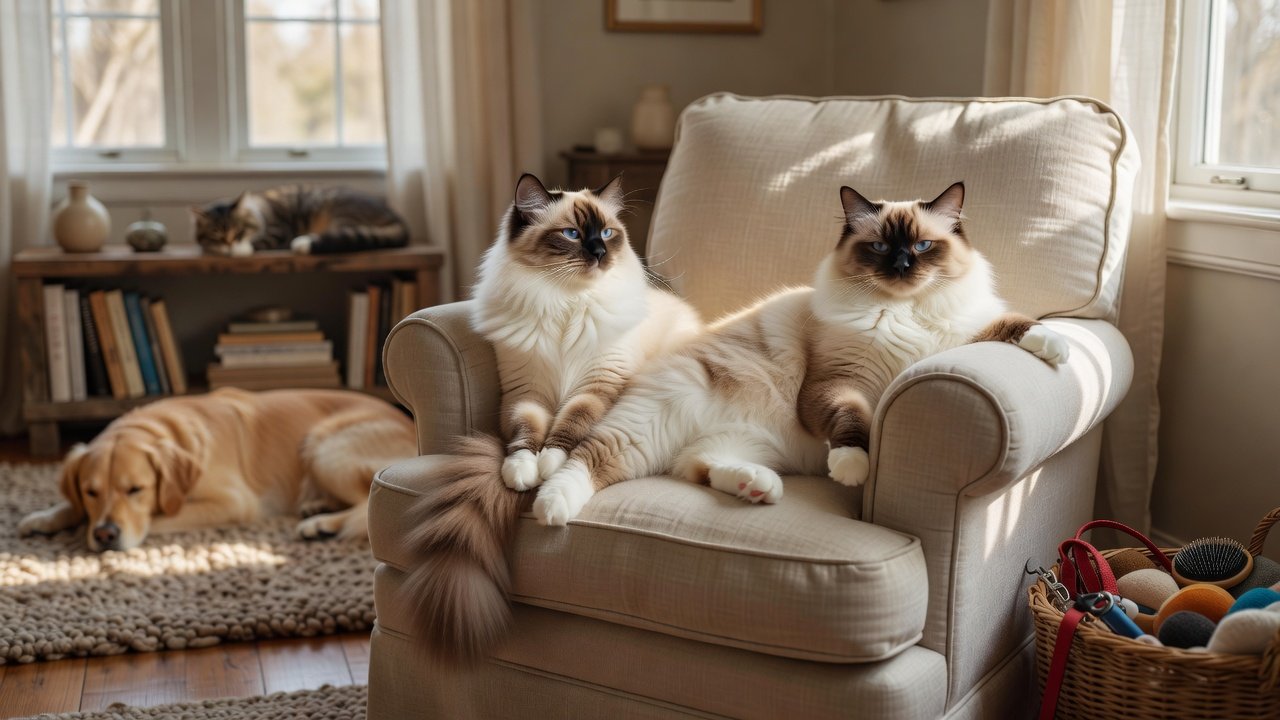
Facts About the Unique Temperament of Ragdoll Cats
“`html
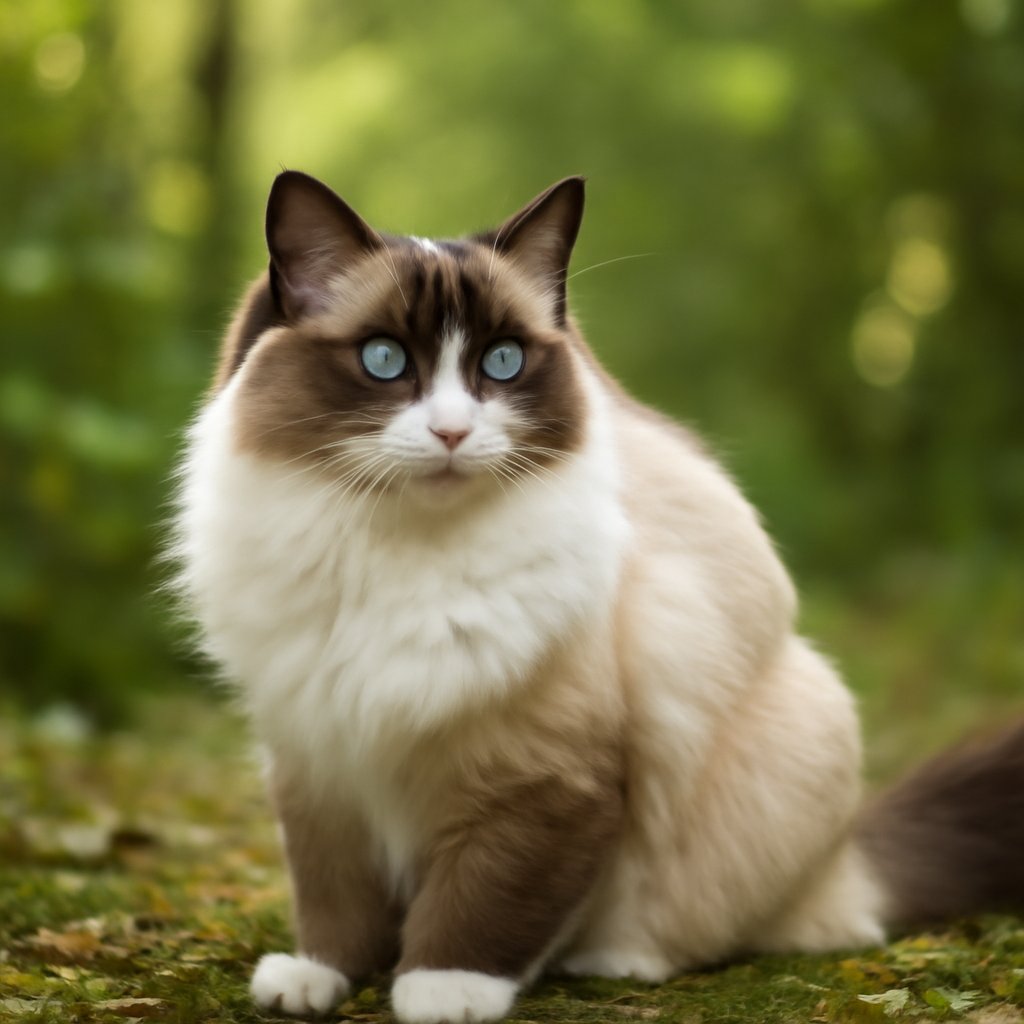
There’s something so heart-melting about watching a Ragdoll cat go completely limp the moment you scoop them up, like they’ve decided you’re their safe place in the world. These big, blue-eyed beauties are famous for their calm, affectionate ways and that almost dog-like devotion to the people they love. What every pet owner who’s adopted knows is that this kind of quiet trust doesn’t just happen by accident—it often comes from a deep need for connection, the same bond my three rescue cats have shown me every single day since I brought them home.
The story behind this temperament goes back to the 1960s in California, when Ann Baker began developing the breed by crossing domestic longhairs and selecting for docility. That intentional focus created cats who relax completely when held, which is how they got their name. The result is a cat who feels inherently trusting and rarely aggressive, bred more for companionship than independence. While purebred Ragdolls carry this heritage, I always remind people that rescue culture shows us similar gentle souls in cats of every background, waiting for someone to see their potential.
My rescue cats have taught me that selective breeding for calm handling really does make a difference. Ragdolls tend to stay steady even at the vet or during grooming, which is why some even work as therapy animals. That steady nature is part of what makes them wonderful for families, singles, or seniors looking for a low-drama addition to the household.
At their core, these cats are all about affection. They follow you from room to room, offering soft head butts and gentle purrs instead of loud demands. They aren’t big talkers, which makes them a peaceful fit for apartments or quieter homes. What strikes me most is how they crave lap time and closeness—the same way my own adopted crew turns any quiet evening into a cuddle session that reminds me why we rescue in the first place.
Their patient side also shines when it comes to other pets and children. Ragdolls usually get along well with dogs, cats, and little ones, preferring harmony over territory disputes. Introducing one gradually into a multi-pet home often goes smoothly, highlighting that adaptable friendliness many of us hope to find when we adopt.
Compared with more energetic breeds like Siamese or Bengals, Ragdolls lean into relaxation. They enjoy play but tire easily and prefer toys that involve their people rather than solo adventures. This lower energy can mean less mischief when left alone for reasonable stretches, though like any cat they still need attention to stay happy. What every pet owner who’s adopted knows is that leaving a social cat alone too long can bring on a bit of worry, so puzzle toys or even a second companion often help.
Ragdolls respond beautifully to positive training and early socialization, picking up things like fetching or leash walking because they genuinely want to please. That same eagerness makes daily brushing feel more like bonding time than a chore. On the health side, their relaxed lifestyle means owners need to watch for weight gain, so a couple of interactive play sessions a day keeps both body and spirit in good shape.
A few key things to know: Ragdolls usually weigh 10 to 20 pounds, with males often on the larger side, making them one of the bigger domesticated breeds with this calm temperament. They reach full maturity around three to four years old, when their affectionate personality really settles in. Behavior studies often rank them high for friendliness and compatibility with children. Fear-based aggression is rare, showing up in less than 5 percent of owner reports. Their average lifespan is 12 to 15 years, giving families years of that loyal companionship. And they need moderate grooming, roughly two to three sessions a week, which doubles as extra time to strengthen that special bond.
One fascinating aspect of Ragdoll temperament that deserves deeper exploration is their tendency toward something called “floppiness”—the literal going limp when picked up. This isn’t just a cute quirk; it’s actually a genuine relaxation response that sets them apart from most other cat breeds. Scientists believe this trait may be connected to a slight genetic variation affecting muscle tone, combined with the selective breeding that emphasized calm handling. When a Ragdoll fully relaxes in your arms, their entire body weight settles into your hands, creating that signature “ragdoll” experience. This makes them feel heavier and more substantial than cats of similar size, which many owners find incredibly comforting and grounding during stressful moments.
The intelligence and emotional sensitivity of Ragdolls often surprise new owners who expect them to be simple lap cats. These cats are surprisingly perceptive about human emotions and moods. They seem to sense when you’re stressed or sad and will seek you out for extra cuddles. This emotional attunement is why they excel in therapeutic settings and why many owners report their Ragdoll acting as an unofficial emotional support animal. They’re not trained to perform specific tasks like true service animals, but their natural inclination to remain close and calm often provides genuine comfort without any formal intervention needed.
Communication with Ragdolls differs from other breeds in interesting ways. While they’re not vocal like Siamese cats, they do communicate through subtle cues. Soft chirping sounds, quiet meows, and the famous “slow blink” are their preferred methods of saying “I love you.” Learning to read these quieter signals actually deepens the bond many owners develop, as it requires paying close attention and becoming attuned to your cat’s unique voice. Many Ragdoll owners describe their cats as having different meow tones for different needs—a specific call for dinner, another for wanting to go outside, and yet another for demanding lap time.
Introducing a Ragdoll kitten into a home requires some thoughtful preparation, as their sensitive nature means they can feel overwhelmed by chaotic environments. Experts recommend setting up a quiet space first where the kitten can acclimate gradually before being introduced to the busier parts of the home. Their eagerness to please and bond sometimes means they’ll trust too readily, so ensuring a safe, enclosed space initially helps them learn your home’s boundaries at their own pace. Kittens especially benefit from consistent routines, as their calm temperament actually relies on predictability and security.
The grooming needs of Ragdolls deserve special mention because their silky coats can mat easily if neglected, and the process of grooming offers unique bonding opportunities. Since these cats actively enjoy being handled and brushed, grooming sessions become mutual relaxation time. Many owners find that brushing their Ragdoll’s coat twice or three times weekly becomes a meditative practice, beneficial for both human and cat. Their coat typically doesn’t shed as heavily as other long-haired breeds when regularly maintained, though seasonal changes still require increased attention.
Diet and weight management become important considerations with Ragdolls because their laid-back temperament means they may not have the same natural activity levels that keep other cats trim. A Ragdoll who loves lounging on your lap needs portion-controlled meals and those interactive play sessions mentioned earlier. Premium nutrition supports their coat health and overall wellness, and many owners find that mealtime routines also strengthen their daily connection with their cat.
The unique temperament of Ragdoll cats brings together size, beauty, and steady affection in a way that can truly enrich a home. Whether they’re draped across your lap or quietly trailing you through the day, they show us what devoted companionship looks like. For anyone considering adoption, these gentle giants remind us that the best connections often come from choosing a cat who simply wants to be near you, rescue or otherwise.
Sources
- American Kennel Club (AKC) – Official breed standards and dog information
- ASPCA – Cat care and behavior guidance
- VCA Animal Hospitals – Feline health and behavior resources
- PetMD – Comprehensive cat breed information
Related Posts
- Exploring Unique Traits of Sphynx Cats
- Understanding the Behavior of Bengal Cats
- Preventive Care Tips for Keeping Cats Healthy
- Facts About the Playful Personality of Bengal Cats
- Why Sphynx Cats Need Special Skin Care Routines