
Desert Animals: Incredible Adaptations for Extreme Survival
\n
Desert animals showcase some of the most remarkable evolutionary adaptations on our planet. From scorching daytime temperatures exceeding 120°F (49°C) to freezing nights and scarce water, these creatures have developed ingenious strategies to not only survive but thrive in arid environments. As a pet lifestyle writer with three rescue cats who have each overcome their own challenges, I’m constantly inspired by the resilience found in nature’s toughest survivors. These wild animals remind us that true strength often lies in clever adaptations rather than brute force.
\n

\n\n
Understanding Desert Environments and Animal Adaptations
\n
Deserts cover about one-fifth of Earth’s land surface and come in hot, cold, and coastal varieties. What unites them is extreme aridity—less than 10 inches (25 cm) of annual rainfall in many cases. Animals here face intense solar radiation, high evaporation rates, and limited vegetation. Their solutions include behavioral changes (nocturnal activity, burrowing), physiological tricks (efficient kidneys, temperature regulation), and morphological features (large ears for cooling, specialized feet for sand).
\n
According to National Geographic, desert wildlife has evolved in ways that make them highly vulnerable to climate change, as many adaptations are finely tuned to specific conditions that are rapidly shifting.
\n\n
Iconic Desert Mammals and Their Survival Secrets
\n
Camels: Masters of Water Conservation
\n
Camels are the ultimate desert icon. Their humps store fat, not water, which is metabolized into energy and water as needed. They can lose up to 25% of their body weight in water without harm and rehydrate rapidly by drinking up to 40 gallons at once. Their body temperature can fluctuate by as much as 6°C (11°F) to minimize sweating, and their kidneys produce highly concentrated urine. Thick coats provide insulation against both heat and cold, while long eyelashes and closable nostrils protect against sandstorms. (Sources: National Geographic, WWF)
\n\n
Fennec Fox: Nature’s Desert Radiator
\n
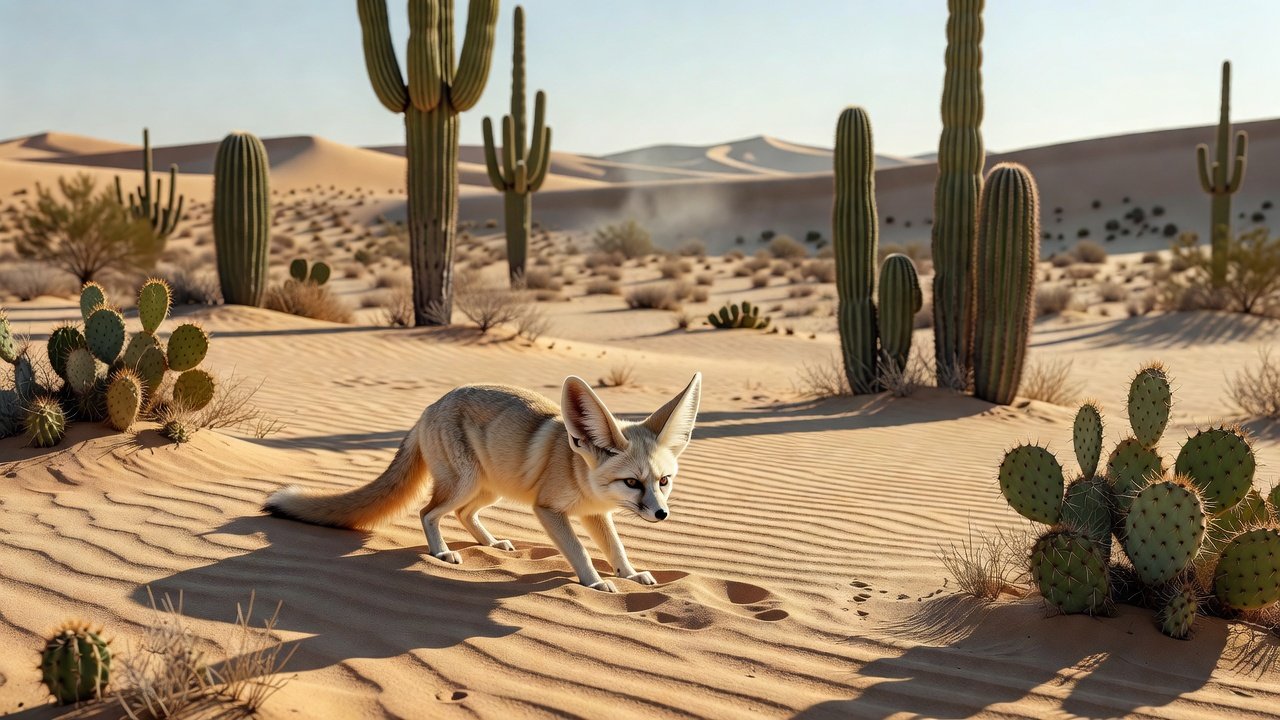
The tiny fennec fox, weighing just 2–3 pounds, has enormous ears that act as heat dissipators, releasing excess body heat through a dense network of blood vessels. Its large ears also enhance hearing to locate prey underground. Fur-covered feet protect against hot sand, and it obtains all its water from insects, rodents, and plants. Fennec foxes are nocturnal, avoiding the daytime heat by retreating to burrows. Their social family groups help with raising young in harsh conditions. (Sources: Smithsonian National Zoo, IUCN)
\n\n
Other Remarkable Mammals
\n
Kangaroo rats never drink water, obtaining moisture solely from seeds via highly efficient kidneys that concentrate urine to the point it is almost solid. Desert bighorn sheep derive moisture from vegetation and have specialized hooves for navigating rocky terrain. Coyotes demonstrate incredible adaptability, shifting diets and expanding ranges even into urban areas. Meerkats in the Kalahari use complex social structures with sentries to forage safely while minimizing water loss.
\n\n
Reptiles, Birds, and Invertebrates: Specialized Strategies
\n
Rattlesnakes and Sidewinders
\n
Sidewinder rattlesnakes move in a unique looping motion that minimizes contact with scorching sand. Heat-sensing pits allow them to detect prey with incredible precision—even temperature differences as small as 0.003°C. Many desert snakes obtain moisture from prey and can go weeks or months between meals. (Source: Arizona-Sonora Desert Museum via National Geographic)
\n\n
Fringe-Toed Lizards and Tortoises
\n
Fringe-toed lizards “swim” through sand using specialized toes and sealable nostrils. Desert tortoises can store water in their bladders and survive for over a year without drinking by slowing their metabolism dramatically.
\n\n
Birds and Insects
\n
Roadrunners reach speeds of 20+ mph on the ground, use torpor to lower body temperature at night, and nest in shaded areas. The elf owl uses saguaro cactus cavities for shelter. The Namib Desert beetle collects fog on its bumpy back—an adaptation inspiring human water-harvesting technology. Scorpions glow under UV light and can survive a year without food thanks to slow metabolisms.
\n\n
Conservation Challenges in a Changing Climate
\n
Many desert species face threats from climate change, habitat fragmentation, and human activity. Arabian oryx were once extinct in the wild but have been successfully reintroduced through conservation programs. Rising temperatures push species toward their physiological limits. Organizations like WWF, IUCN, and AZA-accredited zoos play critical roles in protecting these unique animals and their habitats through research, breeding programs, and public education.
\n
As someone who has seen the transformative power of giving overlooked animals a second chance at home, I believe supporting desert conservation—whether through responsible tourism, donations, or simply spreading awareness—helps preserve the incredible biodiversity that makes our planet so fascinating.
\n\n
Why Desert Animals Inspire Us
\n
These creatures demonstrate that survival is about smart, sustainable living within one’s environment. Their stories parallel the resilience we see in rescue pets who overcome difficult starts. By appreciating and protecting desert wildlife, we honor the incredible ingenuity of evolution and ensure future generations can marvel at these masters of extreme environments.
\n\n
\n
Sources
\n
- \n
- National Geographic – Deserts, facts and information
- WWF – Desert Habitats
- Smithsonian National Zoo – Fennec Fox
- IUCN Red List (various desert species profiles)
- Association of Zoos and Aquariums (AZA) conservation programs
\n
\n
\n
\n
\n
\n
\n\n\n
Related Posts
\n
- \n
- Desert Animals: Amazing Creatures That Thrive in Extreme Heat and Harsh Conditions
- Rainforest Animals: Colorful Creatures of the Jungle
- Ugly Animals: Why These Creatures Are Worth Loving
- 20 Coolest Animals on Earth: Amazing Facts You Need to Know
- Zoo Animals: Complete Guide to the World’s Most Fascinating Creatures
\n
\n
\n
\n
\n
\n