
Best Exercise Routines for High-Energy Dog Breeds
“`html
There’s something deeply rewarding about welcoming a high-energy dog into your life, especially when that pup comes from a rescue or shelter background. Finding the best exercise routines for high-energy dog breeds is crucial for maintaining their physical health, mental well-being, and overall happiness. Breeds like Siberian Huskies, Border Collies, Australian Shepherds, Jack Russell Terriers, and Belgian Malinois carry an innate drive for activity rooted in their working heritage. Without structured outlets, these dogs may develop issues like excessive barking, digging, or anxiety. What every pet owner who’s adopted knows is that consistent routines help prevent obesity, strengthen cardiovascular health, and build that unbreakable bond through daily engagement.
High-energy breeds were historically bred for demanding tasks such as herding livestock, pulling sleds, or hunting over long distances. This genetic predisposition means they need far more physical exertion than lower-energy companions like Bulldogs or Basset Hounds. A Border Collie, for example, may need up to two hours of vigorous activity daily to stay balanced, while insufficient movement can lead to destructive chewing or escape attempts. My rescue cats have taught me that animals thrive when their instincts are honored, and the same holds true for dogs—regular routines reduce risks of joint problems and diabetes by maintaining lean muscle mass. Owners should assess their dog’s age, fitness level, and any underlying conditions before starting intense programs. Huskies often thrive in cooler climates with endurance-based activities, whereas terriers excel in short bursts of speed and agility drills. Monitoring heart rate and hydration during sessions ensures safe progression.
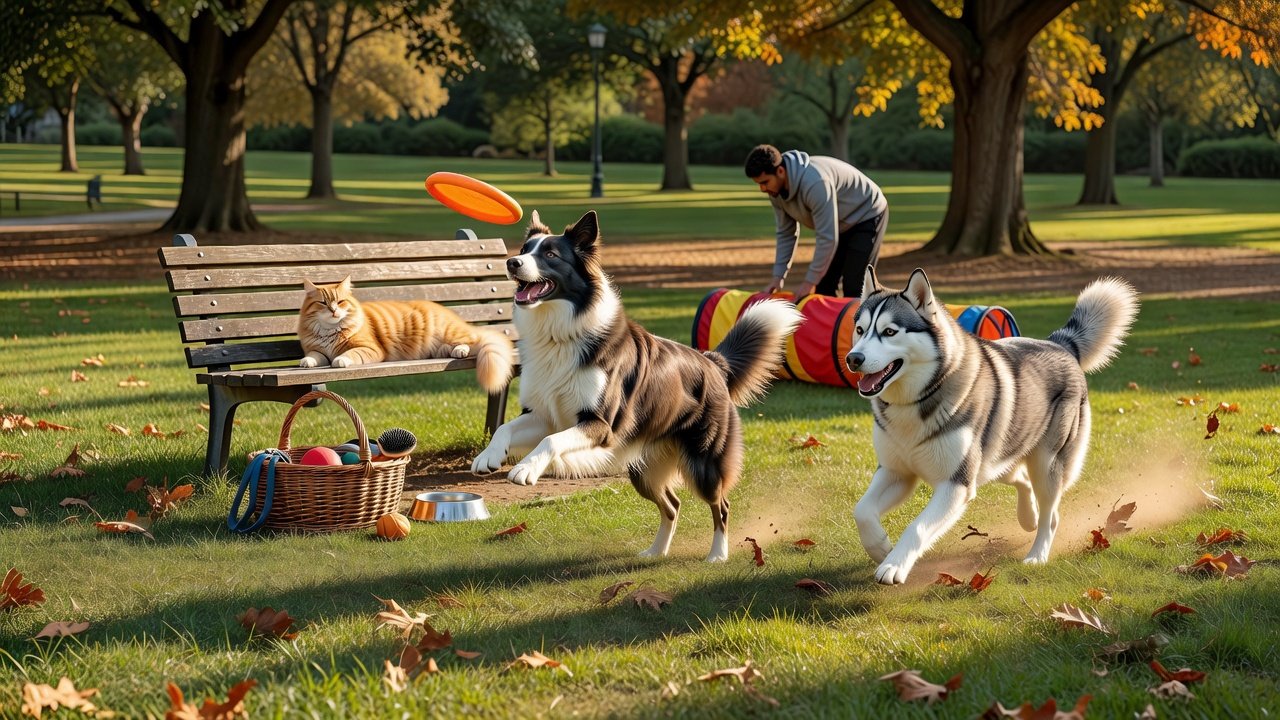
Outdoor activities form the heart of these routines, offering natural terrain and sensory stimulation that rescue dogs especially crave after uncertain beginnings. Begin with structured runs or hikes covering three to five miles, adjusting pace to match the dog’s stamina. Fetch and frisbee games build speed and coordination, while swimming offers low-impact cardio perfect for joint health. Incorporate interval training by alternating sprints with recovery walks to mimic natural patterns. For Australian Shepherds, trail running combined with herding simulations using flirt poles channels their instincts productively. Safety measures include paw protection on hot pavement and reflective gear for evening sessions. These outings not only burn calories but also support training by reinforcing recall commands amid distractions. Varying locations prevents boredom and exposes dogs to new scents, enhancing mental resilience alongside physical benefits.
When introducing your high-energy dog to new exercise routines, gradual progression is essential to prevent injury and burnout. A common mistake many owners make is jumping straight into intense activities without building a fitness foundation. Start with 20-30 minute sessions and gradually increase duration and intensity over several weeks. This allows your dog’s joints, muscles, and cardiovascular system to adapt safely. Young puppies from high-energy breeds should avoid repetitive high-impact exercises like jumping until their growth plates close, typically around 12-18 months depending on breed size. Instead, focus on shorter, varied activities that develop coordination and confidence. As your dog matures, you can progressively incorporate more demanding exercises like long-distance running or advanced agility work.
Mental exercises complement physical workouts by preventing cognitive overload and behavioral problems. Agility courses with jumps, tunnels, and weave poles sharpen focus while expending energy, and obedience drills during walks turn routine outings into training opportunities. Puzzle toys filled with treats encourage problem-solving after a run, promoting calm settling. For Jack Russell Terriers, scent work games like tracking hidden objects tap into their drive. Sessions lasting 15-20 minutes interspersed throughout the day maintain engagement without fatigue. Positive reinforcement methods using high-value rewards strengthen the human-canine bond and improve responsiveness. This integrated approach addresses both body and mind, reducing separation anxiety common in working breeds.
Canine sports and organized activities offer excellent structured outlets for high-energy dogs while building community with other owners. Consider exploring disciplines like dock diving, where dogs launch from platforms into water, or disc dog competitions that combine athleticism with precision. Flyball tournaments involve relay races with hurdles and ball catching, perfectly suited for motivated breeds. Herding trials allow Border Collies and Australian Shepherds to engage in their ancestral work under professional guidance. Nosework competitions, sanctioned by organizations like the National Association of Canine Scent Work, provide challenging mental and physical stimulation that appeals to tracking breeds. These activities aren’t just physical outlets—they provide measurable goals, boost your dog’s confidence, and create meaningful social connections. Even non-competitive participation in local agility classes or running clubs offers structure, accountability, and the camaraderie of like-minded dog enthusiasts.
Understanding your specific breed’s exercise preferences can make routines more effective and enjoyable. Belgian Malinois, often employed in police and military work, thrive on complex tasks combining obedience, agility, and bite work simulations. Siberian Huskies and Alaskan Malamutes have extraordinary cold-weather endurance but risk overheating in warm climates, making early morning or evening sessions crucial during summer months. Vizslas, often called “velcro dogs,” need exercise paired with close human interaction rather than solo yard time. Weimaraners excel at activities combining running with retrieving, tapping into their hunting heritage. Jack Russell Terriers, despite their small size, possess surprising endurance and excel at agility and underground tunneling simulations. Researching your breed’s original purpose provides insights into the types of activities they’ll find most satisfying and engaging.
High-energy dog breeds require 60-120 minutes of daily exercise to prevent obesity, which affects 30% of dogs in the United States. Border Collies can run up to 20 miles in a single session when properly conditioned, highlighting their endurance genetics. Regular routines reduce destructive behaviors by 70% according to veterinary behavior studies on active breeds like Huskies. Swimming burns twice the calories of walking for dogs while being joint-friendly. Dogs engaging in agility training show 40% improvement in cognitive function and faster learning rates. Insufficient exercise contributes to 25% of shelter surrenders among working breeds due to unmet energy needs—something rescue advocates see far too often.
Weather considerations play a significant role in maintaining consistent exercise routines year-round. During hot summers, schedule outdoor activities during cooler early morning or evening hours, and always provide access to fresh water. Watch for signs of heat stress like excessive panting, drooling, or reluctance to continue. In winter, dogs accustomed to outdoor work generally handle cold well, but breed coat type matters—short-haired breeds may need protective gear. Salt and chemicals used on icy sidewalks can irritate paw pads, so consider booties or protective balms. Rain shouldn’t deter exercise, as most high-energy breeds actually enjoy wet conditions. Adjusting your routine seasonally while maintaining consistency helps your dog stay fit and engaged throughout the year.
Recovery and rest days are equally important as active sessions in a balanced exercise program. Even high-energy dogs benefit from designated lighter activity days where they focus on short walks, training drills, or puzzle play rather than intense cardiovascular work. Adequate rest allows muscles to recover and adapt, reducing injury risk. Most dogs need 8-12 hours of sleep daily, with high-energy breeds sometimes requiring slightly more. A tired dog isn’t always a happy dog—overexertion can lead to irritability, anxiety, and chronic injuries. Watch for signs of fatigue including limping, reluctance to engage, or changes in behavior. Consulting with your veterinarian about your dog’s individual recovery needs ensures you’re striking the right balance between stimulation and rest.
Adopting thoughtful exercise routines for these dogs transforms potential challenges into rewarding experiences that enhance longevity and joy. By blending outdoor adventures with mental challenges, owners promote superior health while enjoying the loyalty of their energetic companions. Consistency, variety, and attention to individual needs ensure sustainable results, making these practices essential elements of responsible pet care.
Sources
- American Kennel Club – Exercise Needs by Breed
- ASPCA – General Dog Care Guidelines
Related Posts
- Top Energetic Dog Breeds for Active Families
- Top Guard Dog Breeds With Calm Temperaments
- Best Low-Maintenance Dog Breeds for Busy Owners
- Best Dog Breeds for First Time Owners
- Top Protective Dog Breeds for Home Security