
Top Protective Dog Breeds for Home Security
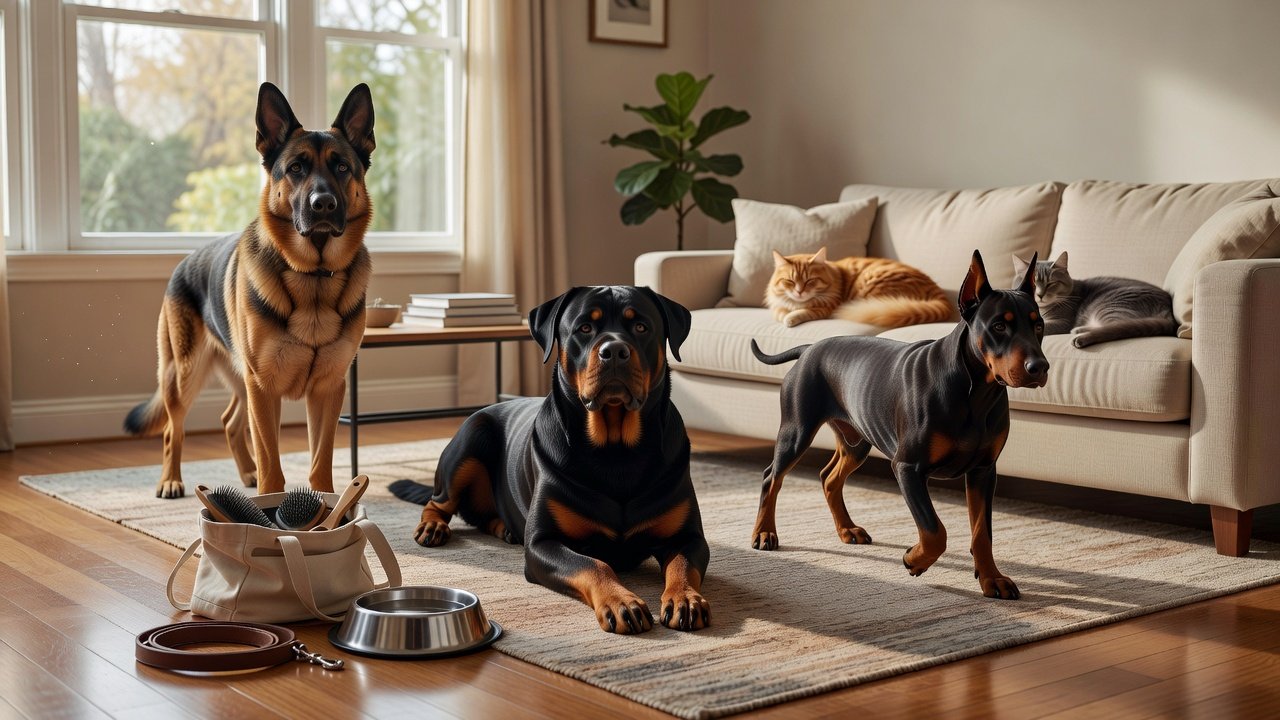
There’s something deeply moving about opening your home to a dog whose instincts run toward protection and loyalty. These breeds don’t just watch over your space—they become part of the family story, offering that steady presence so many of us crave after bringing home a rescue. My rescue cats have taught me that animals who’ve known uncertainty often form the strongest bonds once they feel safe, and the same holds true for dogs selected for their guardian qualities.
Protective breeds have been shaped over generations for their alertness, strength, and natural territorial drive. Their simple presence, paired with that unmistakable bark, often discourages trouble before it starts. What every pet owner who’s adopted knows is that these dogs bond fiercely with their people while staying cautious around strangers. Bringing one home means committing to early, consistent training so those instincts stay channeled in the right direction. Regular socialization keeps them from tipping into unnecessary aggression, letting them protect with calm confidence. Along the way, they also bring emotional steadiness and a reason to get outside every day.
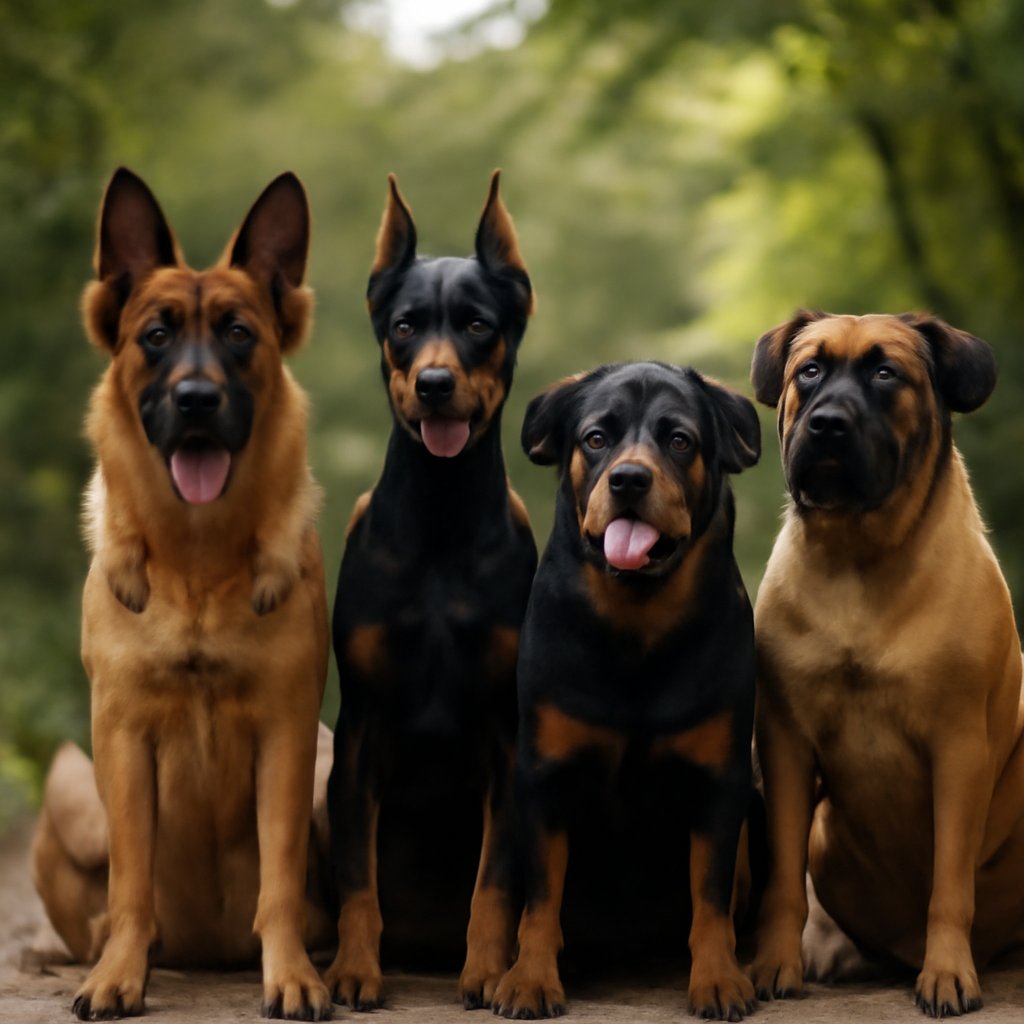
Among the breeds that excel in this role, German Shepherds stand out for their sharp intelligence and working heritage. Originally developed for herding, they transition beautifully into police and military work, which translates well to home security. They need at least two hours of daily exercise plus mental challenges like obedience drills or puzzle toys. Their thick double coat benefits from weekly brushing, and with good care they typically live nine to thirteen years while forging those deep, protective connections. German Shepherds are particularly responsive to their owners’ emotions and can sense threats before they materialize, making them exceptional early warning systems. Their versatility means they excel in various roles—from family guardians to service dogs—without losing their core protective instincts.
Rottweilers bring calm confidence and natural guarding ability, their muscular frame and low, serious bark serving as quiet deterrents. Early socialization and positive training help manage any tendency toward dominance. They thrive on routine and enjoy activities like weight pulling or agility. Watching for hip dysplasia and heart concerns matters, and a balanced diet supports their joints through an average lifespan of eight to ten years. Despite their intimidating appearance, Rottweilers are often described as “gentle giants” when raised with proper boundaries and affection. Their loyalty runs deep, and they typically bond intensely with one or two family members while remaining appropriately cautious with outsiders. They’re also surprisingly patient with children in their own households, making them excellent multi-purpose family protectors.
Doberman Pinschers combine speed, elegance, and devoted loyalty. Their short coat needs little grooming, though they require solid daily runs to stay fit. They respond especially well to advanced obedience and protection sports. Regular vet checks help catch issues like dilated cardiomyopathy, and attentive care gives them ten to twelve years of both security and affectionate companionship. Dobermans are renowned for their eagerness to please their owners, which makes training both rewarding and effective. Their lean, muscular build allows them to cover ground quickly, making them exceptional at perimeter patrols around your property. Many security professionals consider them the most athletically gifted protection breed, capable of responding to threats with precision and speed while maintaining the discipline to avoid false alarms.
Bullmastiffs offer powerful yet quiet protection, their sheer size often enough to discourage threats on larger properties. Despite their imposing build, they tend to be gentle with family members. Moderate exercise protects their joints, and a high-quality diet suits their large frames. Training emphasizes impulse control, along with early screening for elbow dysplasia. They generally enjoy eight to ten years when given steady love and clear boundaries. Bullmastiffs were originally bred to guard estates and game preserves, inheriting an instinctive understanding of property boundaries. Unlike some protective breeds, they rarely bark excessively; instead, they rely on their formidable presence to discourage intruders. This quiet confidence makes them particularly valuable in residential settings where constant vocalization might be problematic.
Beyond these primary breeds, several others deserve consideration for home security roles. Boxers combine athleticism with natural wariness of strangers, yet they remain playful and affectionate with their families. Belgian Malinois, increasingly popular with law enforcement and military, offer the intelligence and trainability of German Shepherds in a slightly more compact frame. Giant Schnauzers bring both guarding ability and an alert, spirited temperament. Akitas possess an independent streak that actually enhances their protective instincts, making decisions about threats without requiring constant direction. Considering which breed fits your lifestyle, property size, and experience level with dogs is crucial before bringing one home.
Training turns those natural instincts into dependable assets. Start with basic commands using treats and praise, then move into professional classes by six months old. Daily exposure to different people, sounds, and places helps prevent fear-based reactions. Only after the foundations are solid should protection drills be added. Consistent routines strengthen the human-canine bond that makes everything work long-term. Many protection trainers recommend against overstimulating a young dog’s prey or chase drives, instead focusing on building impulse control and reliable recall. A well-trained protection dog should only act when genuinely needed, not react to every unfamiliar stimulus. This discipline separates a responsible guardian from an unpredictable liability.
The legal aspects of owning a protection dog deserve careful attention. Some homeowner’s insurance policies charge higher premiums for certain breeds, while others exclude coverage for incidents involving them. Local ordinances may restrict breed ownership or require specific liability insurance. Understanding these regulations before acquiring a protective breed prevents complications later. Additionally, documentation of professional training and behavioral certification can actually reduce liability concerns and demonstrate responsible ownership to insurance companies and neighbors alike.
Health care keeps these dogs active and capable throughout their lives. Annual wellness exams catch breed-specific issues early, whether hip concerns or heart health. A nutrient-rich diet matched to their activity level, plus omega support for coat and joints, makes a real difference. Dental care and parasite prevention round out the picture, while balanced exercise plans respect the recovery needs of larger breeds. Large and giant breed dogs particularly benefit from careful exercise management during their growth years; excessive jumping or running on hard surfaces can damage developing joints. Several protective breeds are prone to bloat, a life-threatening condition that requires familiarity with warning signs and quick veterinary response. Keeping emergency vet contact information readily available is essential for any household with a large breed dog.
Key points worth remembering include that German Shepherds rank among the top three breeds used worldwide by law enforcement for their trainability and drive. Properly trained guard dogs can cut home burglary attempts by up to fifty percent according to security studies. Rottweilers need thirty to sixty minutes of daily exercise. Dobermans show strong bite inhibition that serves family protection well when socialized young. Bullmastiffs usually weigh one hundred to one hundred thirty pounds. Regular veterinary care can add an average of two years to their lifespan through early detection. Additionally, protective breeds thrive with clear leadership and consistent expectations; they actually prefer having defined roles and boundaries rather than unstructured freedom.
Choosing one of these breeds means committing to responsible care that lets their protective nature shine while they become cherished companions. My own experiences with rescue animals remind me that the deepest security often comes from the trust built through patience and love. Research breeders carefully, but also consider adoption from reputable rescues—there’s nothing quite like giving a well-adjusted dog the chance to watch over a home that finally feels like theirs. Many established rescue organizations specialize in protective breeds and can match dogs with appropriate families based on experience level and lifestyle needs. Whether you bring home a puppy to train from the beginning or an adult dog with established manners, the investment in training, socialization, and healthcare creates a partnership that genuinely enhances both security and quality of life for everyone involved.
Sources
- AKC Dog Breeds – Official breed standards and characteristics
- ASPCA Dog Care – Pet safety and health guidelines
- VCA Animal Hospitals – Dog breed information and care
- Top Energetic Dog Breeds for Active Families
- Top Guard Dog Breeds With Calm Temperaments
- Best Low-Maintenance Dog Breeds for Busy Owners
- Best Dog Breeds for First Time Owners
- Fun Tricks to Teach Your Dog Home