
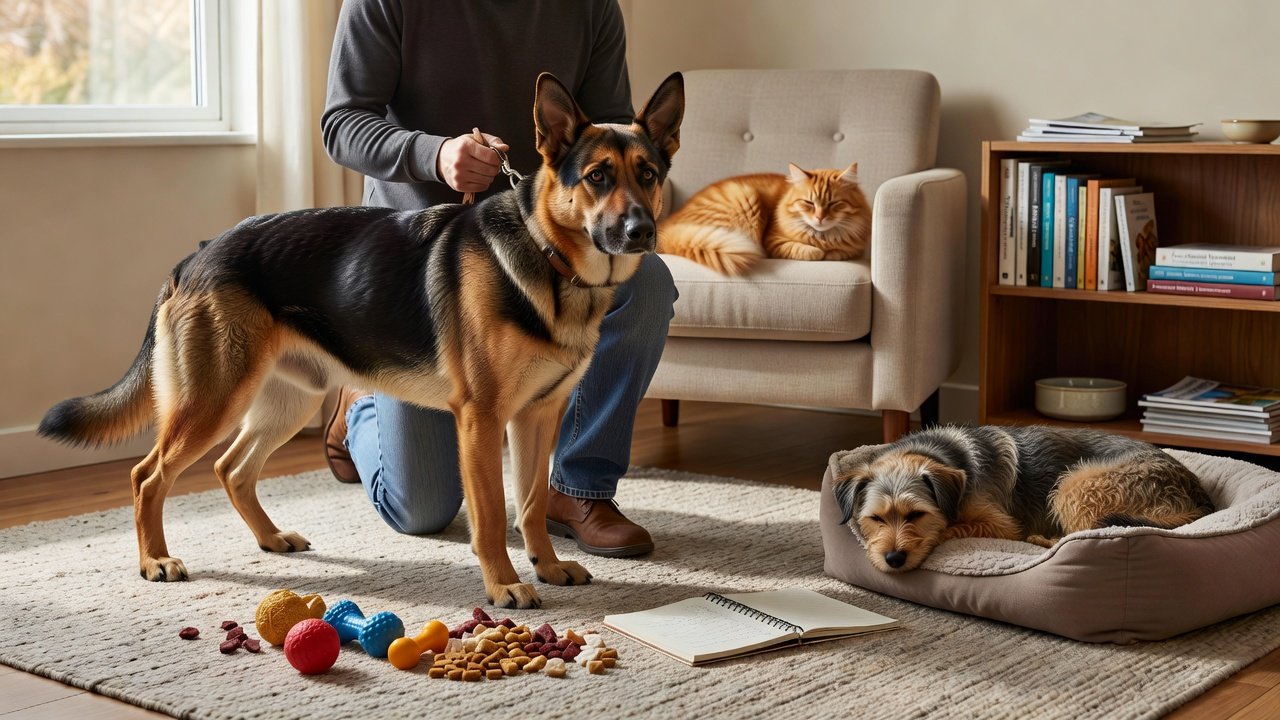
Training Tips for Aggressive Behavior in Dogs
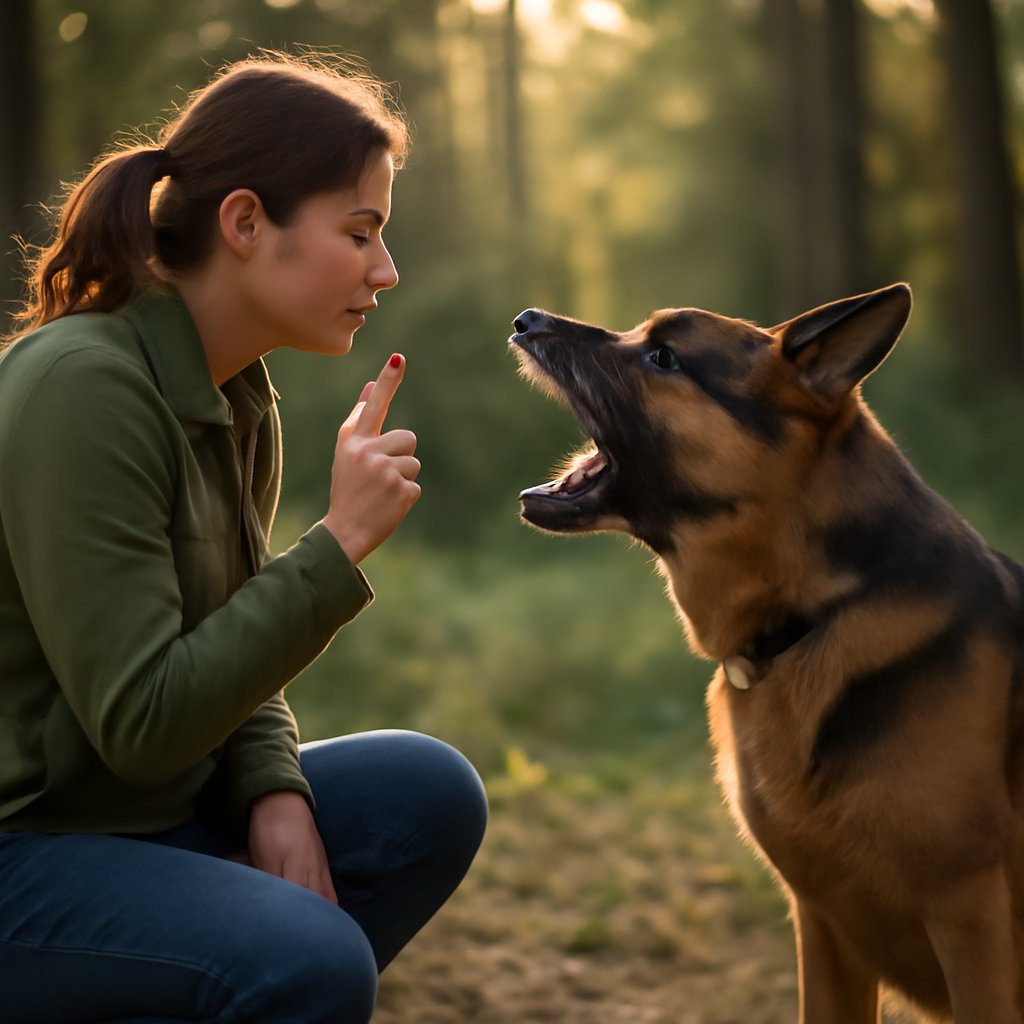
When I first started volunteering at local shelters, I quickly learned that what looks like “aggression” in a dog is almost always a story of fear or past hardship waiting to be rewritten. My rescue cats have taught me that patience and gentle consistency turn guarded animals into devoted companions, and the same truth holds for dogs who growl, snap, or guard their space. Adopting from rescue culture means seeing these behaviors as signals rather than flaws, and it deepens the emotional bond every time we choose understanding over punishment.
Aggression in dogs often stems from fear, resource guarding, or past trauma rather than inherent meanness. Identifying triggers is the first step in any successful training plan. Common causes include inadequate socialization during puppyhood, medical pain from conditions like arthritis, or genetic predispositions seen in certain breeds such as German Shepherds and Rottweilers. Owners should observe body language carefully, noting stiff postures, raised hackles, or prolonged stares that signal rising tension. Early intervention prevents escalation and builds trust between dog and handler. What every pet owner who’s adopted knows is that many of these dogs arrive with invisible scars from their previous lives, making the journey to trust all the more meaningful.
Triggers vary widely but frequently involve strangers approaching the home, other dogs during walks, or sudden movements near food bowls. Breeds like Pit Bulls may show protective instincts more readily, while Chihuahuas often display fear-based snapping due to their small size. Monitoring these signs allows owners to intervene before incidents occur, creating safer environments through consistent management techniques. I often think of the foster dogs I’ve met through rescue networks; their stories remind me that environment shapes behavior far more than any label ever could.
Positive reinforcement forms the cornerstone of modern dog aggression training, rewarding calm behavior instead of punishing outbursts. Start with basic obedience commands like sit and stay in low-stress settings, gradually introducing distractions. Use high-value treats, praise, and play to reinforce desired responses, helping the dog associate calm states with positive outcomes. Consistency across all family members ensures the dog receives clear signals, accelerating progress and reducing confusion that might otherwise fuel aggressive reactions. My own trio of rescue cats has shown me how small, repeated moments of kindness rewrite old fears into new security.
Desensitization involves controlled exposure to triggers at a distance where the dog remains relaxed, slowly closing the gap over multiple sessions. Pair each exposure with rewards to rewire emotional responses through counterconditioning. For instance, a dog reactive to delivery personnel can learn to sit quietly for treats as the trigger approaches. This method proves especially useful for breeds prone to territorial aggression, such as Akitas or Dobermans, and requires patience to achieve lasting results without setbacks. Adopting a rescue dog often means committing to exactly this kind of slow, loving work, and the payoff is a bond that feels nothing short of miraculous.
Different dog breeds exhibit aggression patterns influenced by their heritage, requiring tailored approaches. Herding breeds like Border Collies may nip due to instinct, while guard breeds need extra focus on impulse control. Always rule out underlying health issues through veterinary exams, as thyroid imbalances or dental pain can manifest as sudden irritability. Combining breed knowledge with regular health checks enhances training outcomes and supports overall animal wellness in multi-pet households that may include cats. Rescue culture teaches us to see the whole animal, not just the behavior.
Insufficient physical activity often amplifies aggressive tendencies, making daily walks, puzzle toys, and training drills vital components. Aim for breed-appropriate exercise levels, such as longer runs for energetic Labrador Retrievers, to channel energy productively. Structured routines with clear boundaries reduce anxiety, fostering a calmer temperament across all life stages and complementing other pet care practices like proper nutrition.
Over 4.5 million dog bites occur annually in the United States, with many linked to fear-based aggression rather than malice. Studies show that 70% of aggressive dogs improve significantly with consistent positive reinforcement training within three to six months. Breed-specific legislation affects only a small percentage of cases, as behavior depends more on environment than genetics alone. Early socialization before 16 weeks of age reduces aggression risks by up to 80% in most dog breeds. Veterinary behaviorists report that untreated medical conditions contribute to 20% of sudden aggression cases in senior dogs. Owners who use punishment-based methods experience a 25% higher rate of escalated aggression compared to reward-focused approaches.
Training tips for aggressive behavior in dogs ultimately come down to patience, consistency, and professional guidance when needed. By addressing root causes, applying positive methods, and considering breed and health factors, owners can foster safer, happier relationships. Regular practice combined with veterinary support ensures long-term success, transforming challenges into opportunities for deeper bonds with your canine companion. Every adopted pet reminds me that love, given steadily, has the power to rewrite even the hardest beginnings.
Sources
– AKC — American Kennel Club breed information and dog training resources
– ASPCA — Aggressive Behavior in Dogs guide and behavioral solutions
– VCA Animal Hospitals — Aggression in Dogs: causes, assessment, and treatment
– PetMD — Dog Aggression: types, causes, and management strategies
– Veterinary Partner — Veterinary behavioral and training articles