
Training Tricks to Improve Recall in Off-Leash Dogs
“`html
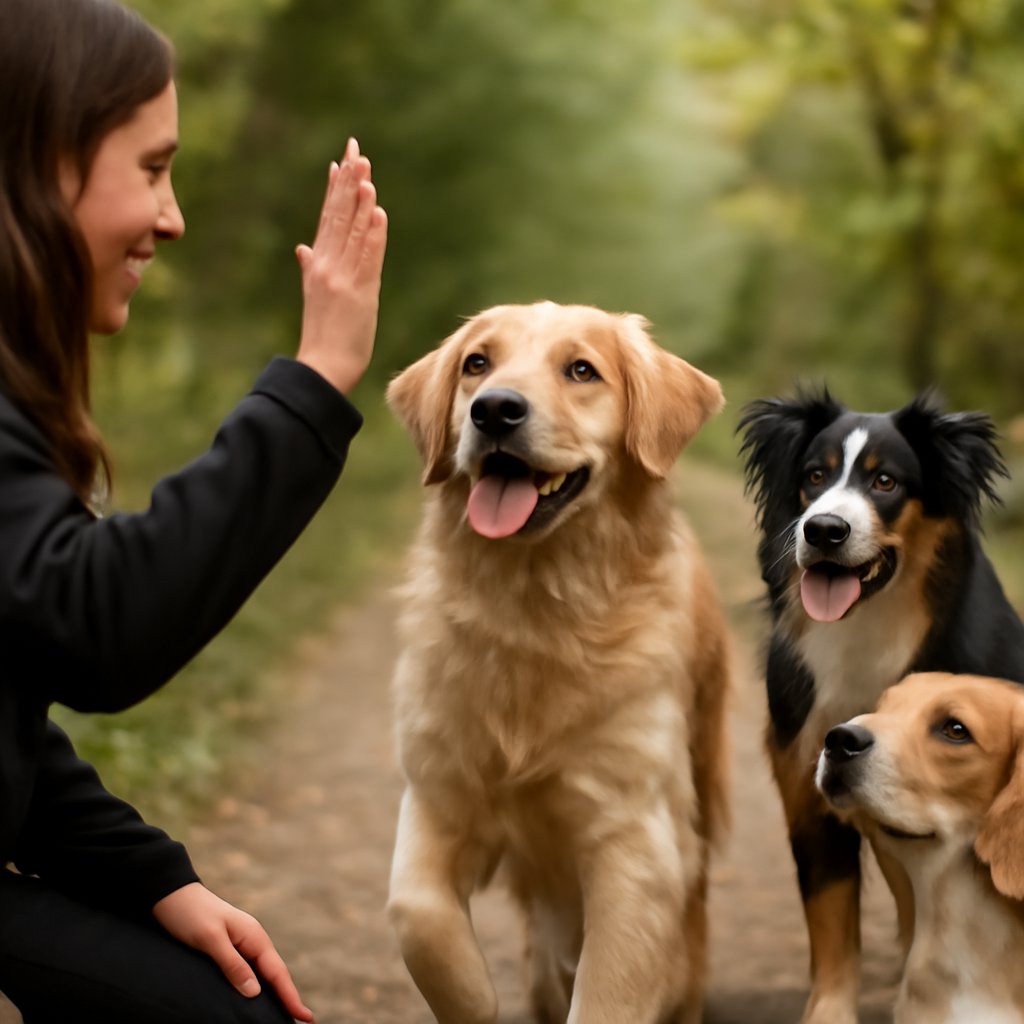
From a clinical standpoint, what owners miss here is how critical reliable recall truly is for off-leash safety. Building this skill transforms outings from risky ventures into controlled explorations grounded in trust and behavioral conditioning. In my years as a vet tech, I’ve seen this situation countless times—dogs with solid recall avoid traffic encounters, wildlife conflicts, and lost-pet cases that fill our clinic waiting rooms. Whether managing a high-drive Labrador or an inquisitive Border Collie, consistent training strengthens the human-animal bond while respecting each dog’s innate tendencies.
Why Strong Recall Matters for Off-Leash Dogs
Recall underpins responsible off-leash management. Dogs without it face elevated risks from vehicles, wildlife, or disorientation. Effective methods prioritize consistency and positive reinforcement over aversive techniques, aligning with operant conditioning principles that emphasize rewarding desired responses. Begin in controlled, low-distraction settings before advancing to higher-stimulation environments like parks. Breed-specific factors matter clinically; scent hounds such as Beagles often need heightened motivation via premium reinforcers due to their olfactory focus.
The stakes involved in poor recall extend beyond immediate safety concerns. When a dog fails to return on command, owners experience elevated stress that can inadvertently teach the dog that being called is unpleasant—especially if the owner has resorted to punishment or negative handling upon the dog’s eventual return. This creates a vicious cycle where the dog becomes less responsive over time. Research in canine behavior indicates that dogs with reliable recall also exhibit lower anxiety levels during off-leash activities, as they maintain consistent contact and communication with their handlers. This psychological benefit translates to improved overall welfare and a more enjoyable experience for both parties.
Breed-Specific Considerations in Recall Training
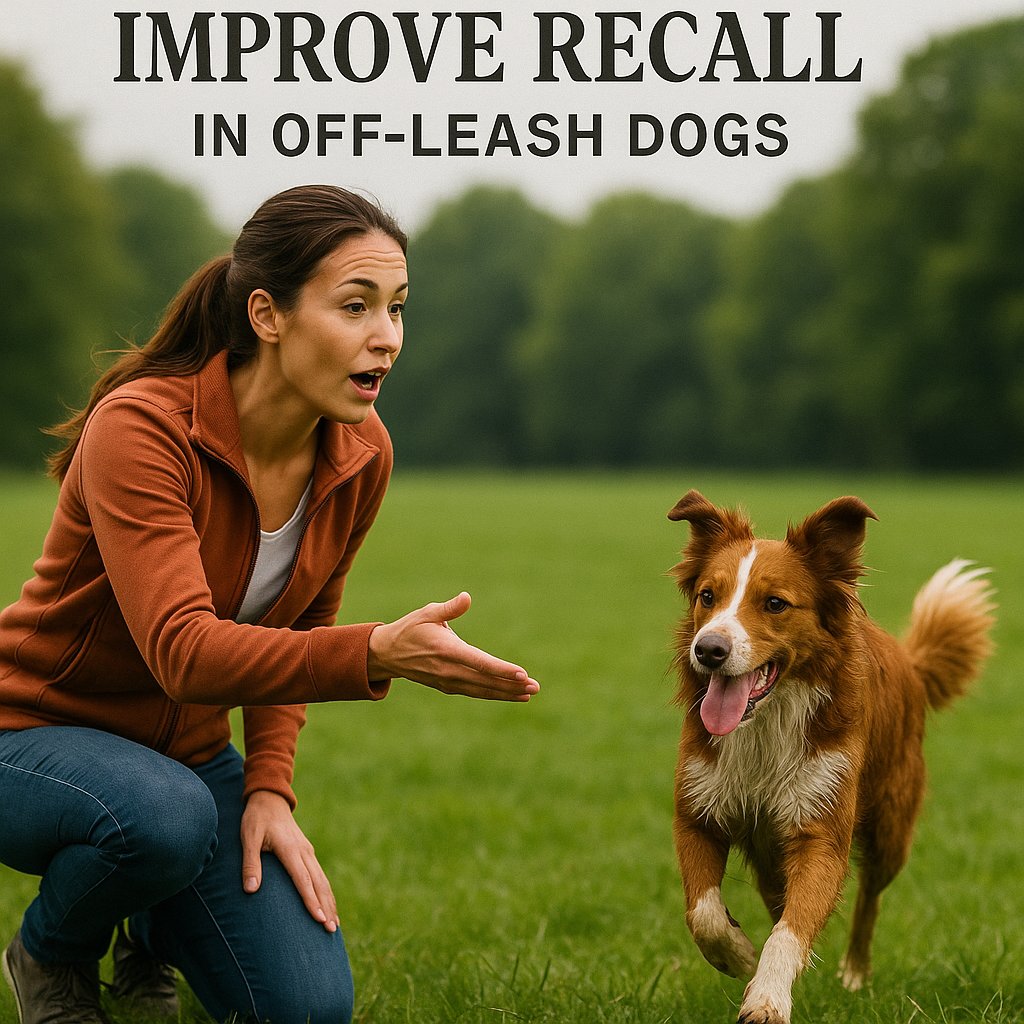
Breeds vary in their responsiveness. Herding types like Australian Shepherds integrate verbal cues with hand signals effectively, leveraging their cognitive strengths and attention to detail. Smaller breeds such as Chihuahuas respond better to brief, repeated sessions that prevent attention fatigue. Age and health status require adjustments—puppies lack impulse control while seniors may have mobility limitations that affect session intensity, preventing overexertion or injury.
Understanding breed history provides insight into training challenges. Terrier breeds, originally developed to hunt prey underground, possess an intense prey drive that can override recall cues when small animals are present. These dogs often benefit from a specialized approach: establishing a distinct “emergency recall” cue with exceptional reinforcement, separate from standard recall training. Sporting breeds like Spaniels and Retrievers generally learn recall quickly due to their human-bonding instinct, but they may struggle with distraction-proofing if training progresses too rapidly. Working breeds such as German Shepherds and Belgian Malinois excel at complex cue systems and benefit from incorporating multiple layers of commands—for instance, combining verbal recall with a hand signal or whistle to create redundancy in high-stress situations.
Foundational Techniques for Reliable Recall
Start with the name game: call enthusiastically and deliver immediate reinforcement through praise or food rewards. Increase distance incrementally while introducing controlled distractions. A long line prevents rehearsal of non-compliance during early stages. One reliable approach pairs the “come” cue with backward movement to engage chase instincts, drawing on natural predatory motor patterns without encouraging actual pursuit.
The mechanics of the name game deserve deeper exploration. This foundational exercise teaches dogs that hearing their name predicts positive outcomes. Begin by saying your dog’s name in a cheerful tone, and the instant they look toward you, deliver a reward. Repeat this dozens of times daily across various locations. The goal is to create an involuntary response—when the dog hears their name, their attention automatically redirects to you. This response should occur before you even issue the recall command. Many owners skip this critical step and proceed directly to distance work, which explains why their dogs ignore their names in stimulating environments. Dedicating two weeks to solid name-recognition training before adding distance and distractions substantially accelerates overall progress.
Backward movement during recalls taps into the predatory sequence inherent in canine behavior. As you call your dog, take a few quick steps backward. This motion triggers the chase instinct without the problematic aspects of chase games. Your retreating movement makes returning to you rewarding at a neurological level, not merely because of food treats. This technique proves especially valuable for dogs with lower food motivation or those trained in environments where food rewards are impractical.
Positive Reinforcement Strategies
Reinforcer value must scale with environmental demands. High-distraction contexts require higher-value items like cooked chicken or cheese to compete with competing stimuli. Clicker training marks precise behavioral moments, enhancing clarity in the learning process. Short daily sessions of around 10 minutes build consistent responses through repetition without inducing fatigue. Logging progress helps identify variables like time of day or specific triggers affecting performance.
The hierarchy of reinforcers should be established during the initial training phase. Create a tiered system: low-value rewards for recalls in quiet environments (praise, dry kibble), medium-value rewards for recalls in moderately distracting settings (commercial training treats), and high-value rewards for recalls in high-distraction environments or when first introducing new variables (fresh meat, cheese, or specialized training treats). This strategic deployment of resources prevents habituation to rewards while ensuring adequate motivation at each training stage.
Clicker training deserves particular emphasis for recall development. The clicker provides a bridge between the desired behavior and the reward delivery, marking the exact moment your dog complies. This precision is especially valuable during recall training because the dog’s body position at reward delivery matters clinically. If you wait to deliver the treat after the dog has already turned away, you’ve inadvertently reinforced the turning-away behavior. A clicker clicked the moment the dog begins moving toward you ensures perfect reinforcement timing. Many advanced handlers employ a training protocol where the clicker indicates “recall successful” and the reward follows immediately afterward, creating a distinct association.
Tools and Equipment That Enhance Training
Whistles provide uniform auditory signals that penetrate ambient noise more reliably than vocal cues alone. GPS tracking collars serve as a safety net during transition phases to full off-leash work. Retractable leashes often create variable boundary expectations and should be avoided; lightweight long lines instead permit freedom within defined limits.
The choice of whistle type merits consideration. Dog training whistles typically fall into two categories: constant-tone whistles and silent ultrasonic whistles. Constant-tone whistles produce an audible sound across varying frequencies and carry over significant distances—often exceeding 200 yards in open terrain. Ultrasonic whistles operate at frequencies above human hearing, minimizing neighborhood disturbance and dog-to-dog reactivity in multi-dog households. For initial training, constant-tone whistles provide better feedback to both handler and dog. As recall becomes reliable, transitioning to an ultrasonic whistle allows for discreet cueing in public settings. The key is teaching the dog that the specific whistle pattern (typically two short blasts) predicts high-value reinforcement, making it more salient than environmental distractions.
GPS tracking collars and related technology represent important safety tools during the training transition to off-leash work. These devices provide real-time location data, allowing handlers to retrieve dogs quickly if recall fails in critical moments. However, technology should never replace thorough training. Rather, it serves as insurance—similar to a fire extinguisher in a kitchen with good fire prevention practices. Modern GPS collars operate with minimal weight, use efficient battery technology lasting several days, and provide accurate location data within 5-10 feet. When integrated with training, they reduce handler anxiety, allowing for more relaxed, positive training sessions since the psychological safety net reduces stress-induced tension that dogs readily perceive.
Advanced Tricks and Troubleshooting Common Issues
After foundational reliability, introduce distinct emergency cues such as “here now” for urgent contexts. Hide-and-seek games increase the reinforcing value of returning. When dogs fail to respond, return to enclosed spaces to rebuild the cue’s association before reintroducing complexity. Fear-related avoidance benefits from pairing recalls with low-stress signals and ensuring no negative consequences follow the behavior.
Hide-and-seek games transform recall from an obligatory command into an eagerly anticipated activity. In this game variation, you hide in a location visible only after your dog searches briefly, then celebrate enthusiastically when they locate you. This game reverses the typical
Related Posts
- Training Your Dog to Walk Calmly Leash
- Training Your Dog to Walk Calmly on Leash
- Training Tips for Aggressive Behavior in Dogs
- 24 Hour Stomach Bug in Dogs: What Every Pet Owner Should Know
- Best Practices for Feeding Raw Diets Dogs
Sources
- American Kennel Club (AKC) – Official resource for dog breed standards, training guides, and canine education
- ASPCA – Animal welfare organization providing pet care tips, training advice, and behavioral resources
- VCA Animal Hospitals – Veterinary care network with pet health and training information
- PetMD – Comprehensive pet health and training articles written by veterinarians and experts