
Best Toys for Mental Stimulation in Working Dogs
“`html
What every pet owner who’s adopted a high-energy pup knows is that working dogs need more than just a good run to stay balanced and content. These breeds were shaped by generations of demanding work, and without the right kind of mental engagement they can quickly tip into frustration. My rescue cats have taught me that even small daily challenges keep minds sharp and hearts steady, and the same truth applies tenfold to dogs like Border Collies, German Shepherds, and Belgian Malinois that so often land in shelters when their big brains aren’t given enough to do.
Working dogs were originally bred for herding, guarding, and search-and-rescue operations. Those roles called for sharp focus, problem-solving, and sustained concentration. When that drive has nowhere to go, you see the familiar signs: destructive chewing, endless barking, or quiet anxiety. The best toys for mental stimulation in working dogs simply recreate those real-world challenges inside a safe home, giving adopted dogs the outlet they deserve after everything they’ve already been through.
Border Collies often light up at puzzle-based games because of their remarkable intelligence. German Shepherds lean into anything that lets them follow a scent, tapping into the tracking instincts that once kept them working. Labrador Retrievers tend to adore treat-dispensing toys that turn mealtime into a rewarding hunt. Offering the right enrichment for each dog’s background helps prevent boredom and deepens that quiet, trusting bond that forms between a rescue and the person who finally sees them.
Regular mental play lowers stress in these dogs the same way a quiet evening with a favorite blanket soothes my cats after a long day. Studies show mentally engaged dogs display fewer signs of separation anxiety and stay healthier overall. Owners who make these toys part of everyday life often notice calmer evenings and dogs that actually listen when called, because their minds are finally tired in the best way.
Many people who bring home working breeds from rescue notice digging and chasing behaviors drop off once puzzle toys become routine. The mental fatigue from solving challenges does something physical exercise alone never quite reaches, leading to better sleep and gentler temperaments all around.
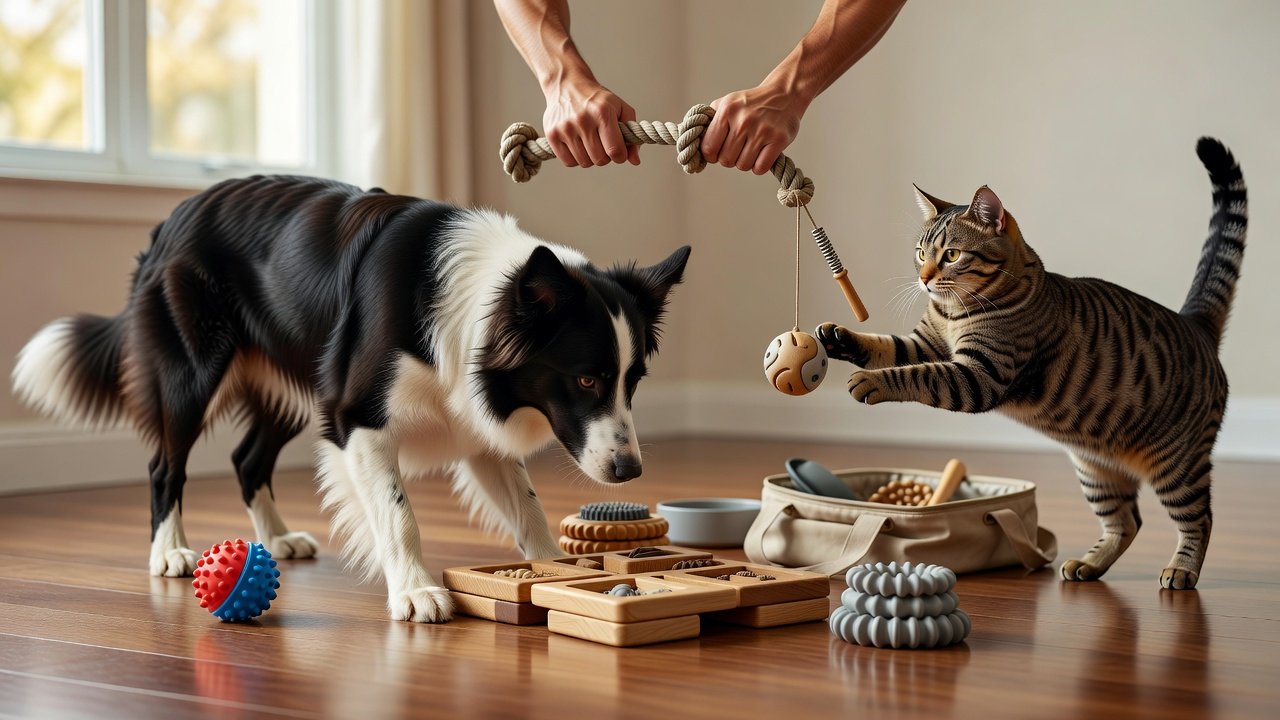
Puzzle toys stand out because they ask dogs to work through steps in sequence. Start simple and move up as confidence grows. Sliding blocks, rotating wheels, and multi-part feeders all build memory and coordination while giving that working brain something meaningful to chew on. The beauty of puzzle toys lies in their flexibility—you can adjust difficulty by hiding treats in harder-to-reach compartments or by rotating which challenges you present each day. A dog that masters one puzzle in a week stays engaged longer when you introduce variation, preventing the frustration that comes from mastering something too quickly.
Snuffle mats hide food among soft layers so dogs can forage the way their ancestors did. Herding breeds especially seem to settle into the slow, deliberate search. Switching up the scents with a little rosemary or different treats keeps the game fresh and stretches the time they stay happily occupied. You can also create DIY versions by rolling up treats in a towel or hiding kibble inside a muffin tin covered with tennis balls—many working dogs find these homemade options just as rewarding as commercial versions, and the savings add up quickly for families on a budget.
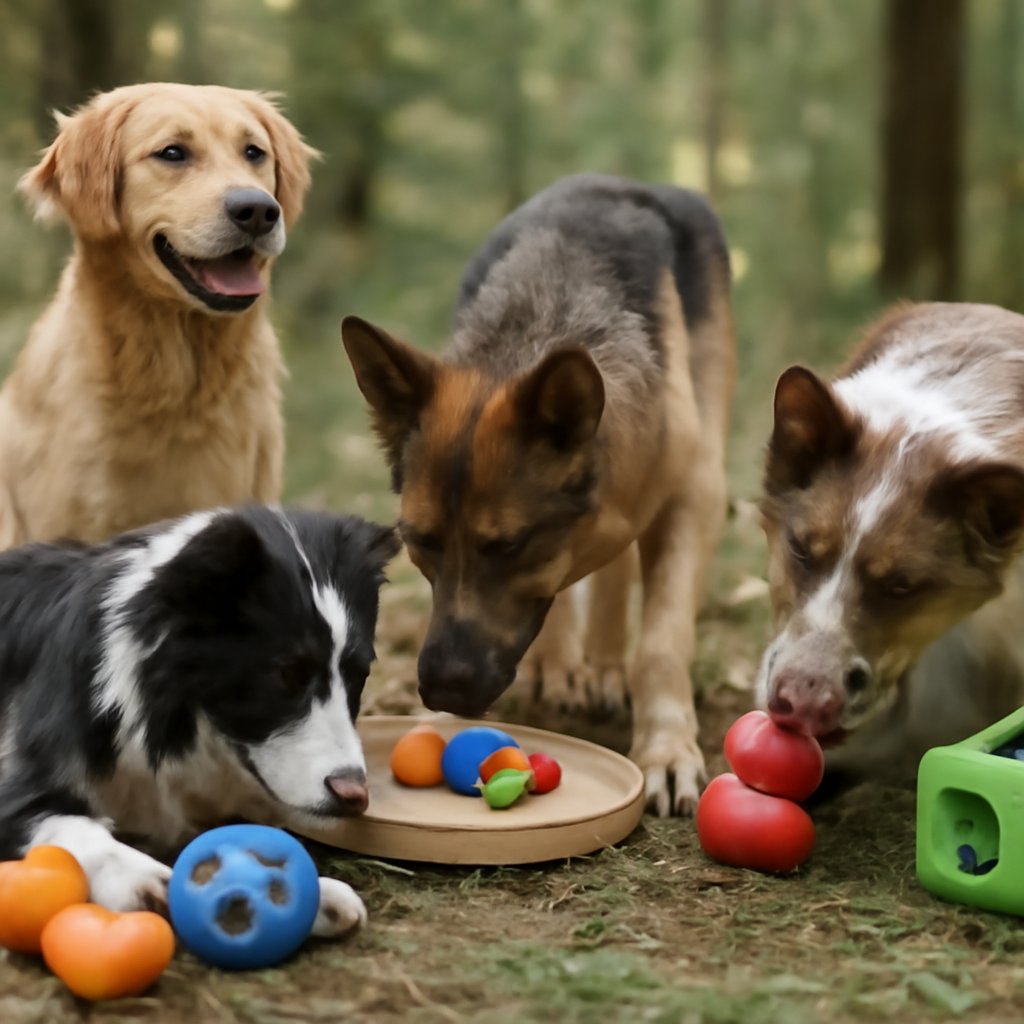
Hard rubber balls and cubes with hidden compartments turn meals into projects. Strong chewers need durable versions, but once a dog learns the trick, mealtime becomes both nourishing and genuinely fun. Look for toys specifically rated for power chewers if you have a German Shepherd or Malinois, as standard toys can splinter and pose choking hazards. Brands that offer replacement programs or warranties often prove more economical in the long run for dogs that destroy toys rapidly.
Pairing these toys with basic training multiplies the benefit. Using a puzzle feeder during recall practice or tucking one into an agility session reinforces good manners while giving the mental workout these dogs crave. A little supervision at the start keeps frustration from creeping in. Working dogs thrive on structure, and combining toy time with training sessions taps into their natural desire to learn and please. This approach also strengthens the human-dog bond because you’re actively participating in their enrichment rather than simply leaving a toy and walking away.
Even simple household tricks work wonders. A frozen Kong layered with peanut butter and kibble offers an easy, budget-friendly challenge that many rescue homes already rely on. Changing the difficulty every week or so stops clever dogs from losing interest. You can also stuff Kongs with plain yogurt, mashed banana, or pumpkin puree for variety and to ensure your dog stays interested over time. Freezing these toys overnight makes them last longer and provides extended mental engagement, especially helpful on days when your schedule doesn’t allow for extended training sessions.
Interactive toys that require multiple steps to dispense treats deserve special mention because they mimic the problem-solving nature of a working dog’s original job. Games like Hide N’ Slide or Level-based feeders ask dogs to move parts in specific sequences, building memory and patience. These toys often hold a dog’s attention for twenty to thirty minutes at a stretch, which translates to genuine mental exhaustion rather than just physical tiredness.
Veterinary behaviorists note that working dogs do best with twenty to thirty minutes of mental stimulation each day. Boredom-related problems still account for nearly forty percent of surrenders among high-energy breeds. Dogs given consistent puzzle time show roughly a sixty percent drop in destructive habits within the first month, and the long-term effect on brain health can add years to their lives. The smartest breeds solve new challenges three to five times faster once they grow used to varied enrichment.
It’s worth noting that not all toys work for all dogs. Some prefer tactile challenges, others respond better to scent work, and still others light up for games that involve chasing or retrieving. Observing your individual dog’s natural preferences helps you narrow down which enrichment tools will genuinely engage them. A German Shepherd might ignore a puzzle toy but obsess over a Kong Wobbler that rewards movement, while a Border Collie might solve the same puzzle in minutes but spend hours working through a snuffle mat with hidden treats scattered throughout.
Rotating toys every week or two prevents habituation, which is when a dog solves a puzzle so completely that it stops offering mental challenge. Simply putting away a puzzle toy for seven to ten days and then reintroducing it feels fresh to your dog’s brain, extending the lifespan of your toy investment significantly. Many experienced owners keep five or six different enrichment toys in rotation, ensuring variety without constantly purchasing new items.
Safety should always guide toy selection, especially for powerful breeds. Avoid toys with small parts that can be swallowed, and inspect toys regularly for damage or wear. Supervision during initial play sessions helps you understand whether your dog tends to swallow pieces or simply shred things on the surface. Some working dogs need fully indestructible toys, while others can safely enjoy more delicate puzzle feeders—knowing your dog’s habits prevents costly emergency vet visits.
Choosing the right toys turns ordinary days into quiet opportunities for connection. When we understand what each dog was built to do and meet that need with patience and the right tools, we give adopted working dogs the chance to become the calm, focused companions they were always meant to be.
Sources
“`