
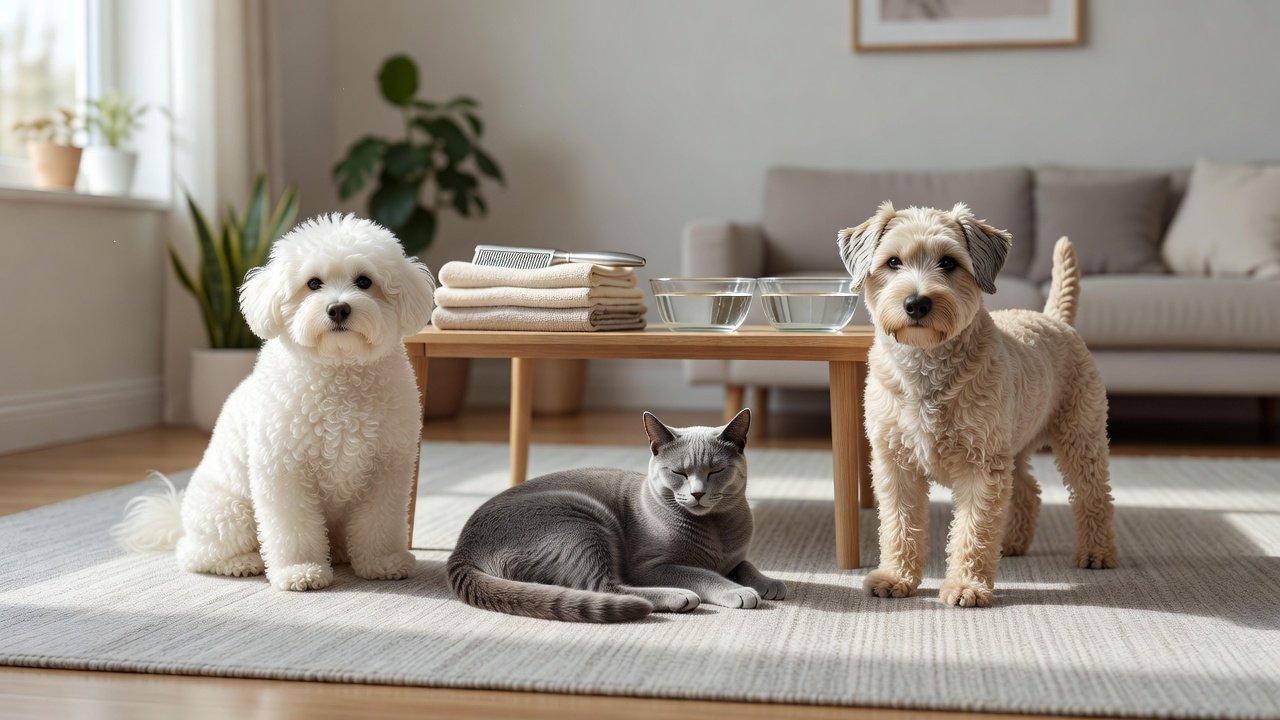
Top Hypoallergenic Breeds for Allergy Sufferers

If you’ve ever longed for the gentle nudge of a wet nose or the soft purr of a companion but allergies have stood in the way, there are breeds that produce far less dander, saliva, and shedding to make that dream possible. What every pet owner who’s adopted knows is that the road to bringing home a new family member often starts with a rescue organization, where staff and volunteers work tirelessly to match sensitive households with the right four-legged friend.
My rescue cats have taught me that true companionship isn’t about perfect coats or show-ring looks—it’s about the quiet trust that builds over time. Hypoallergenic dogs and cats aren’t completely allergen-free, yet their lower shedding of dander and hair helps cut down on those airborne triggers that cause sneezing and itchy eyes. Choosing the right one means looking at coat type, grooming routines, and your own tolerance, with regular vet visits to keep everyone healthy.
Coat texture matters a lot—curly or wiry fur tends to trap dander instead of letting it float around. Low-shedding genetics help too. Weekly baths using gentle shampoos and good air filters at home make a real difference. Starting training early, whether with a puppy or kitten, strengthens that emotional bond while making grooming sessions calmer for everyone.
Among dogs, the Poodle in its toy, miniature, or standard sizes stands out with its dense curls that rarely shed, and these clever pups shine in obedience work, fitting beautifully into active homes. Portuguese Water Dogs bring the same non-shedding coat and love consistent exercise that keeps their hearts strong. Bichon Frises offer playful spirit and need professional grooming every six weeks to stay mat-free. Maltese and Shih Tzu dogs suit smaller spaces well, while Afghan Hounds add elegance with their silky coats that reward regular brushing. Labradoodles blend Labrador affection with Poodle trainability, giving allergy-sensitive families versatile, loving companions.
Proper training, like crate work and leash manners, eases stress and supports overall wellness, while daily walks and puzzle games keep minds and bodies sharp.
On the cat side, the Sphynx needs only occasional skin care despite its hairless look, and Siberian cats naturally produce less of the main allergy protein. Balinese and Devon Rex cats shed far less with their silky or wavy coats. Litter box training and gentle play keep things smooth, along with regular nail trims and brushing. Diets rich in omega fatty acids support skin and coat health, and enrichment like climbing spots or puzzle feeders helps both cats and dogs thrive.
Understanding what causes pet allergies is essential for making the right choice. The primary culprit isn’t actually pet hair itself—it’s a protein called Fel d 1 in cats and Can f 1 in dogs, found in dander, saliva, and urine. When allergy sufferers are around these proteins, their immune system overreacts, triggering histamine release and those familiar symptoms like sneezing, watery eyes, and skin irritation. By selecting breeds that naturally produce lower levels of these allergens or shed less frequently, you’re significantly reducing exposure. Some people find they can tolerate one breed but not another, even among “hypoallergenic” options, which is why spending time with a specific breed before committing to adoption can be incredibly valuable.
Roughly 10-20% of people worldwide deal with pet allergies, but these breeds can ease symptoms by up to 75% when managed well. Poodles rank high in popularity for their size options and smarts. Grooming every 4-6 weeks plus air purifiers lowers allergens noticeably at home. Siberian cats produce 30-50% less of that key protein than most shorthairs. Over 60% of allergy sufferers notice real improvements in daily life after choosing low-shedding pets and sticking to good care routines.
Beyond coat type, there are practical steps you can take to minimize allergenic reactions in your home. HEPA air purifiers are game-changers—they capture microscopic dander particles before they settle on furniture and bedding. Washing your pet’s bedding weekly in hot water and vacuuming with a HEPA-filter vacuum cleaner twice weekly can dramatically reduce allergen levels. Keeping your bedroom pet-free creates a sanctuary where you can breathe easier during sleep, when your immune system is most vulnerable. Some allergy sufferers also find relief by wearing a mask during grooming sessions or designating grooming time outdoors when weather permits.
Medication and immunotherapy also play important roles in managing pet allergies alongside breed selection. Antihistamines, nasal corticosteroids, and decongestants can provide relief, though they work best as part of a comprehensive strategy rather than a standalone solution. For those with more severe allergies, allergen immunotherapy—commonly known as allergy shots—can gradually desensitize your immune system to pet allergens, potentially allowing you to live comfortably with your chosen companion. Discussing these options with an allergist before bringing a pet home sets you up for success.
The grooming commitment varies significantly by breed, and understanding this is crucial before adoption. Poodles require professional grooming every 4-6 weeks, along with daily brushing to prevent matting and to keep loose hair under control. Bichon Frises demand similar attention and can develop ear infections if not dried properly after baths, so their grooming is both about appearance and health. In contrast, Sphynx cats need weekly baths to remove the oily buildup on their skin and weekly ear cleanings, but they don’t require the extensive coat maintenance of their furred cousins. Portuguese Water Dogs need professional grooming every 6-8 weeks and benefit from regular swimming, which keeps their coats healthy and helps manage shedding.
If professional grooming feels expensive, remember it’s an investment in both allergen reduction and your pet’s health. Many groomers offer package deals, and some breed-specific rescue organizations can connect you with affordable grooming resources. Learning basic grooming skills—like brushing, nail trimming, and ear cleaning—between professional appointments helps you stay connected to your pet’s care while reducing allergen buildup.
Diet and supplementation deserve attention too, since skin and coat health directly impact shedding and dander production. High-quality proteins support keratin production in hair follicles, promoting stronger coats that shed less. Omega-3 and omega-6 fatty acids, found in fish oil supplements and quality kibble, reduce inflammation and support skin barrier function. Some breeds prone to dry skin benefit from these supplements even more than others. Consulting with your veterinarian about breed-specific nutritional needs ensures your hypoallergenic pet thrives while maintaining that low-allergen coat you’re counting on.
Creating an allergy-friendly home extends beyond the pet itself. Consider your flooring choices—hard surfaces like tile, laminate, or hardwood are easier to keep allergen-free than carpet, which traps dander and hair. If you love carpet, area rugs can provide softness while being easier to clean or replace. Window treatments also matter; fabric curtains collect dander, while roller shades or blinds are simpler to wipe down regularly.
Rescue culture reminds us that many of these breeds—or wonderful mixes—wait in shelters for families ready to offer love and proper management. Many rescue organizations specialize in specific breeds or hypoallergenic types, and they often have detailed knowledge of individual animals’ temperaments and how they interact with allergy sufferers. Consulting both an allergist and a veterinarian before adoption helps ensure the match feels right, opening the door to years of that deep, healing connection only animals can give.
Sources
- American Kennel Club (AKC) – Official dog breed standards and hypoallergenic breed information
- ASPCA – Pet care resources and breed health guidelines
- VCA Animal Hospitals – Veterinary
Related Posts
- Top Hypoallergenic Dog Breeds for Allergy Sufferers
- Tips for Reducing Shedding in Double-Coated Breeds
- Top Energetic Dog Breeds for Active Families
- Top Guard Dog Breeds With Calm Temperaments
- Best Low-Maintenance Dog Breeds for Busy Owners