
Tips for Reducing Shedding in Double-Coated Breeds
Reducing shedding in double-coated breeds requires a combination of proper grooming, nutrition, and health management to keep your home cleaner while supporting your pet’s natural coat cycle. Double-coated breeds like Siberian Huskies, German Shepherds, and Alaskan Malamutes naturally shed their dense undercoats twice a year, but consistent care can dramatically minimize loose fur around the house. In my years as a vet tech, I’ve seen this situation countless times with owners walking in covered in fur after a simple car ride with their Husky during peak season.
Double-coated breeds possess two distinct layers: a soft, insulating undercoat and a coarser guard coat that protects against weather. This structure helps them thrive in extreme temperatures but leads to heavy seasonal shedding, often called “blowing the coat.” Owners frequently notice massive amounts of fur during spring and fall transitions. Recognizing these natural cycles prevents unnecessary worry and allows targeted interventions for reducing shedding in double-coated breeds. From a clinical standpoint, what owners miss here is how the undercoat’s air-trapping function directly ties into thermoregulation, which is why abrupt indoor climate shifts can throw the cycle off even more.
The undercoat traps air for warmth in winter and sheds heavily in warmer months to prevent overheating. Breeds such as the Samoyed and Chow Chow can lose up to 60% of their undercoat during peak periods. Environmental factors like indoor heating or stress may trigger additional shedding outside normal seasons. I’ve watched this play out in clinic exams where stressed working dogs show patchy extra loss that resolves once routines stabilize.
Popular examples include the Labrador Retriever, Australian Shepherd, and Pembroke Welsh Corgi. Even some cat breeds like the Maine Coon exhibit double coats, though feline shedding tends to be more consistent year-round rather than explosive seasonal blows.
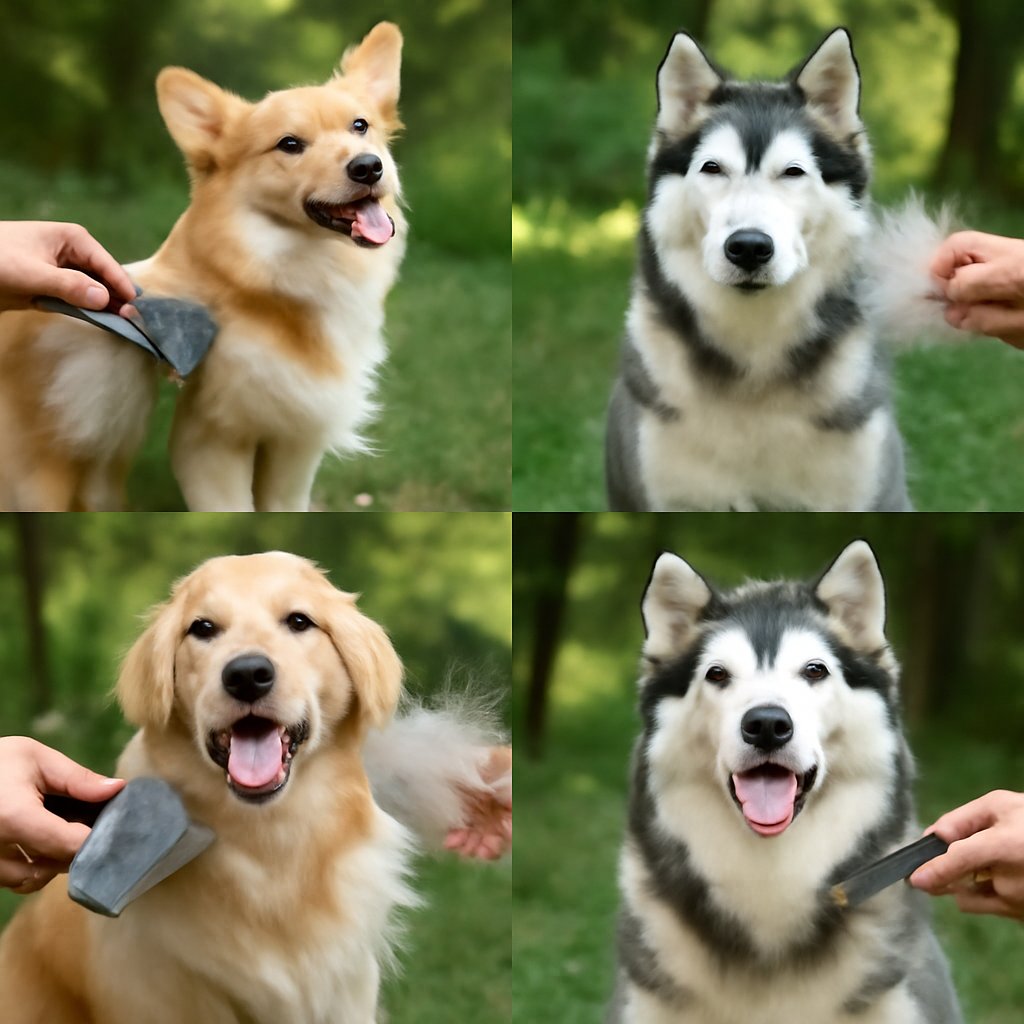
Regular grooming forms the foundation for managing excessive fur loss. Daily or weekly brushing removes loose hairs before they fall onto furniture and carpets, significantly cutting down on visible shedding. Start with a slicker brush to detangle the outer coat, followed by an undercoat rake that reaches deep into the dense layer without damaging skin. Focus sessions on high-shed areas like the flanks, neck, and tail. Professional deshedding treatments every 6-8 weeks can further reduce loose undercoat by up to 90% during peak seasons. In training sessions I’ve run, I’ve found that consistent brushing also doubles as low-stress handling practice that builds trust.
Bathe your double-coated dog every 4-6 weeks using a moisturizing, oatmeal-based shampoo to avoid stripping natural oils. Always follow with a conditioner and thorough drying with a low-heat dryer or towel to prevent matting. Over-bathing can paradoxically increase shedding by irritating the skin. Clinically, we see barrier damage from harsh soaps leading to secondary inflammation that worsens hair retention issues.
Invest in quality tools such as a Furminator or similar de-shedding comb designed specifically for undercoats. Brush for 15-20 minutes several times weekly, increasing to daily during heavy shedding periods. Consistent routines not only control fur but also distribute oils for healthier skin and coat.
Diet plays a critical role in coat quality and shedding intensity. High-quality protein sources, omega-3 fatty acids from fish oil, and balanced vitamins promote stronger hair follicles that retain fur longer between cycles. Supplementing with biotin and zinc can improve coat resilience in double-coated breeds prone to dry skin. Regular veterinary check-ups help rule out underlying issues like allergies, thyroid imbalances, or parasites that amplify shedding. Maintaining a stable indoor environment with moderate humidity and air filtration also reduces stress-related hair loss. Avoid sudden diet changes, as they often trigger temporary increases in shedding. From a clinical standpoint, what owners miss here is how even minor nutritional gaps show up first in the coat before other symptoms appear.
Incorporate salmon oil or flaxseed into meals daily. Many owners report visible reductions in loose fur within 4-6 weeks of starting omega supplements. Always consult a vet before introducing new products to ensure proper dosing for your dog’s size and breed.
Double-coated dogs can shed up to 5 pounds of fur annually during heavy seasons. Regular brushing reduces household hair accumulation by 70-80% according to grooming studies. Breeds like Huskies experience two major shedding events lasting 3-6 weeks each. Proper nutrition can decrease excessive shedding by 40% in dogs with balanced diets. Professional grooming sessions cut undercoat volume by nearly 90% during peak blow periods. Allergies account for 25% of non-seasonal shedding cases in double-coated breeds.
Implementing these targeted strategies makes a noticeable difference when reducing shedding in double-coated breeds. Through consistent grooming, thoughtful nutrition, and proactive health monitoring, owners can enjoy cleaner living spaces and healthier pets. Start small with daily brushing routines and quality diet upgrades, then layer in professional services as needed. With patience and the right approach, managing your double-coated companion’s natural coat cycle becomes far more manageable year-round.