
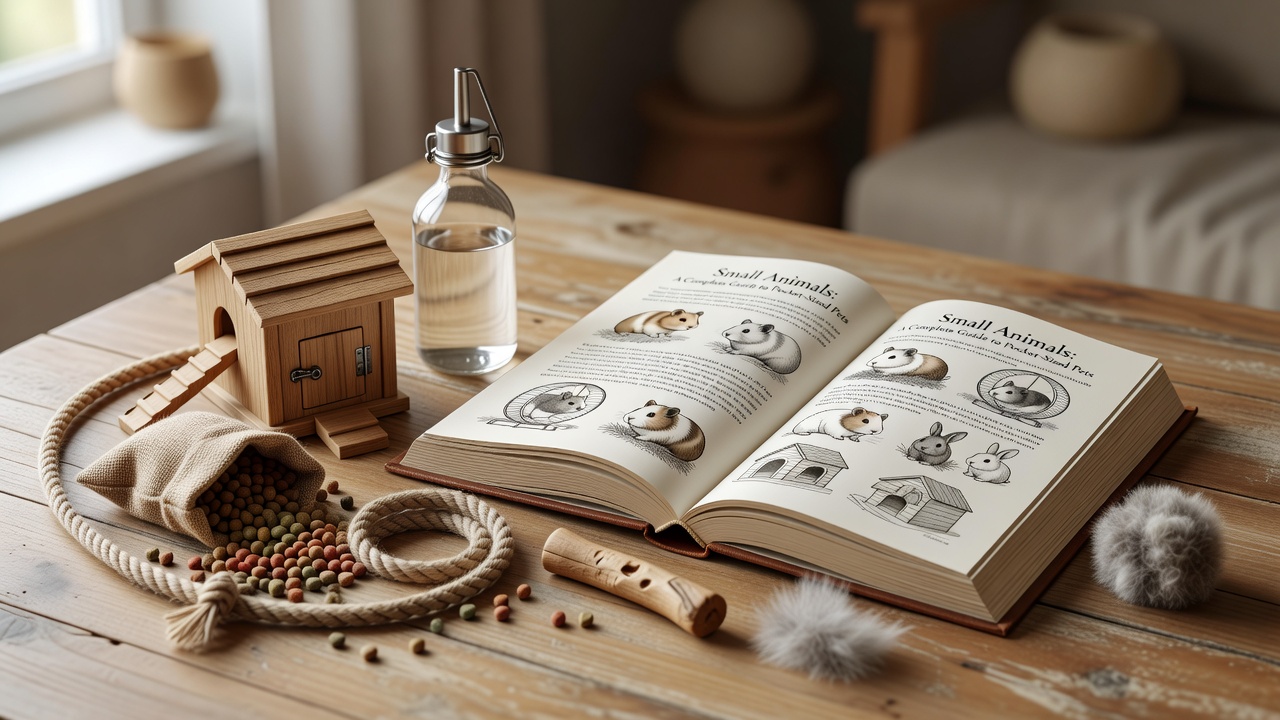
Small Animals: A Complete Guide to Pocket-Sized Pets
Small animals make some of the most rewarding companions you’ll ever bring home. Whether you’re short on space, new to pet ownership, or simply drawn to the charm of a twitching-nosed hamster or a bunny doing happy binkies across the living room, small animals offer big personality in a compact package. They’re often mislabeled as “starter pets,” but anyone who’s cared for a rat, guinea pig, or chinchilla knows these creatures demand just as much attention and love as their larger counterparts.
This guide walks through the most popular small animals, what they actually need to thrive, and how to decide which one fits your lifestyle.
Why Small Animals Make Wonderful Pets
Small animals fit into apartments, dorm rooms, and busy households in ways dogs and cats sometimes can’t. Most require less daily exercise time outdoors, generate less noise complaints, and cost less upfront than larger pets. That said, don’t mistake “small” for “low-maintenance.” Many small animals live several years, need specialized diets, and require enrichment to stay mentally healthy.
According to the ASPCA, small animals like rabbits and guinea pigs are frequently surrendered to shelters because owners underestimate their care requirements. Knowing what you’re signing up for before bringing one home makes all the difference for both you and your new pet.
The Appeal of Compact Companions
- Lower housing footprint than dogs or cats
- Generally quieter and better suited to shared living spaces
- Wide variety of personalities and species to choose from
- Often more affordable in initial adoption or purchase costs
- Great for teaching kids responsibility under adult supervision
Popular Small Animals and What They Need
Not all small pets are created equal. Their care requirements vary wildly depending on species, so it’s worth understanding the basics before choosing one.
Rabbits
Rabbits are social, intelligent, and surprisingly trainable. They can learn to use litter boxes and respond to their names. A single rabbit needs a spacious enclosure (bigger than most pet store cages suggest), daily exercise time, unlimited hay, fresh vegetables, and a companion rabbit if possible, since they’re herd animals by nature. The RSPCA recommends at least a few hours of supervised free-roam time daily to keep rabbits physically and mentally healthy.
Guinea Pigs
Guinea pigs are gentle, vocal, and thrive in pairs or small groups. They need vitamin C-rich diets since, like humans, they can’t produce it themselves. A guinea pig missing proper nutrition can develop scurvy, so fresh vegetables and quality pellets matter. They’re less prone to biting than some rodents, making them a good choice for families with children.
Hamsters
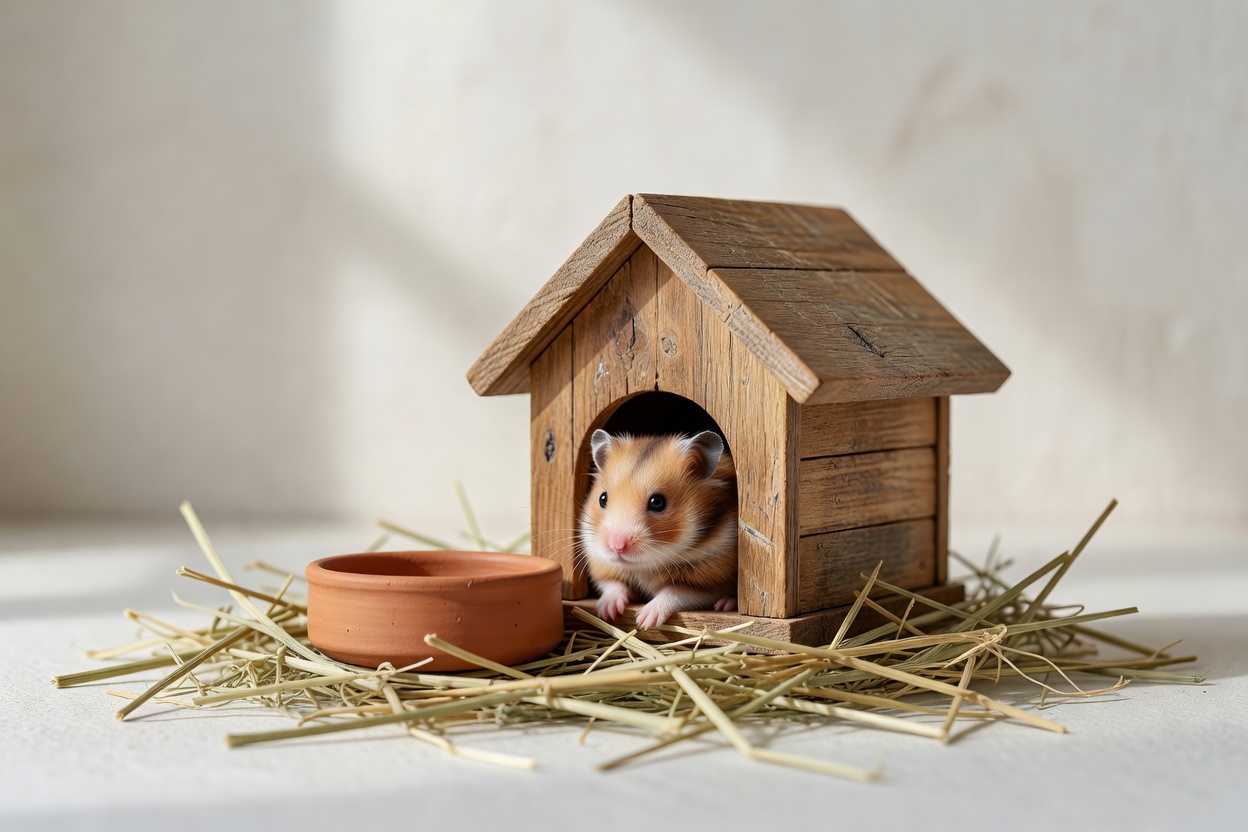
Hamsters are solitary and territorial, so housing two together—especially Syrian hamsters—often leads to fighting. They’re nocturnal, meaning they’ll be most active in the evening. A solid wheel, tunnels, and a deep bedding layer for digging keep them entertained. Because they’re small and quick, supervised handling time helps them bond with their owners without escape attempts turning into a game of hide-and-seek.
Rats
Often underrated, pet rats are remarkably intelligent, affectionate, and easy to train. They recognize their owners, enjoy being held, and can learn tricks similar to dogs. Rats are social and should always be kept in same-sex pairs or groups. Their biggest downside is a shorter lifespan, typically two to three years, which means the bond is intense but brief.
Chinchillas
Chinchillas need cooler temperatures and dust baths instead of water baths to keep their dense fur healthy. They’re active at dawn and dusk, live longer than most small pets (often 10-15 years), and require tall, multi-level cages for climbing. Their soft fur is a magnet for admiration, but it also means they’re sensitive to humidity and heat stress.
Ferrets
Technically small mammals rather than rodents, ferrets are playful, curious, and require a protein-heavy carnivore diet. They sleep up to 18 hours a day but pack impressive energy into their waking hours. Ferret-proofing a home is essential since they can squeeze into surprisingly tight spaces.
Setting Up a Home for Small Animals
Regardless of species, small animals need enclosures larger than what’s typically sold as “starter kits” in pet stores. Cramped cages contribute to boredom, obesity, and stress-related illness. The Humane Society recommends researching minimum cage sizes specific to each species rather than relying on packaging labels, which often underestimate space requirements.
Essentials for Every Small Animal Habitat
- Appropriately sized enclosure with room to move, dig, or climb
- Species-appropriate bedding (avoid cedar and pine shavings, which can cause respiratory issues)
- Fresh water via bottle or bowl, changed daily
- Hideouts or nesting areas for security
- Enrichment items like chew toys, tunnels, or wheels
- Temperature-controlled location away from direct sun or drafts
Choosing the Right Small Animal for Your Life
Before adopting, think honestly about your schedule, living space, and long-term plans. A nocturnal hamster might frustrate an early riser hoping for daytime cuddles. A guinea pig’s need for a cagemate means committing to two animals, not one. Rabbits require a multi-year commitment often lasting 8-12 years, similar to a dog.
Visit a local shelter or rescue first. Small animals are commonly available through rescue organizations, and adopting saves a life while often costing less than buying from a breeder or pet store. Many rescues also provide guidance on species-specific care, which is invaluable for first-time owners.
Small animals bring warmth, curiosity, and companionship into homes of every size. With the right setup and a bit of research, these pint-sized pets can become some of the most cherished members of your family for years to come.