
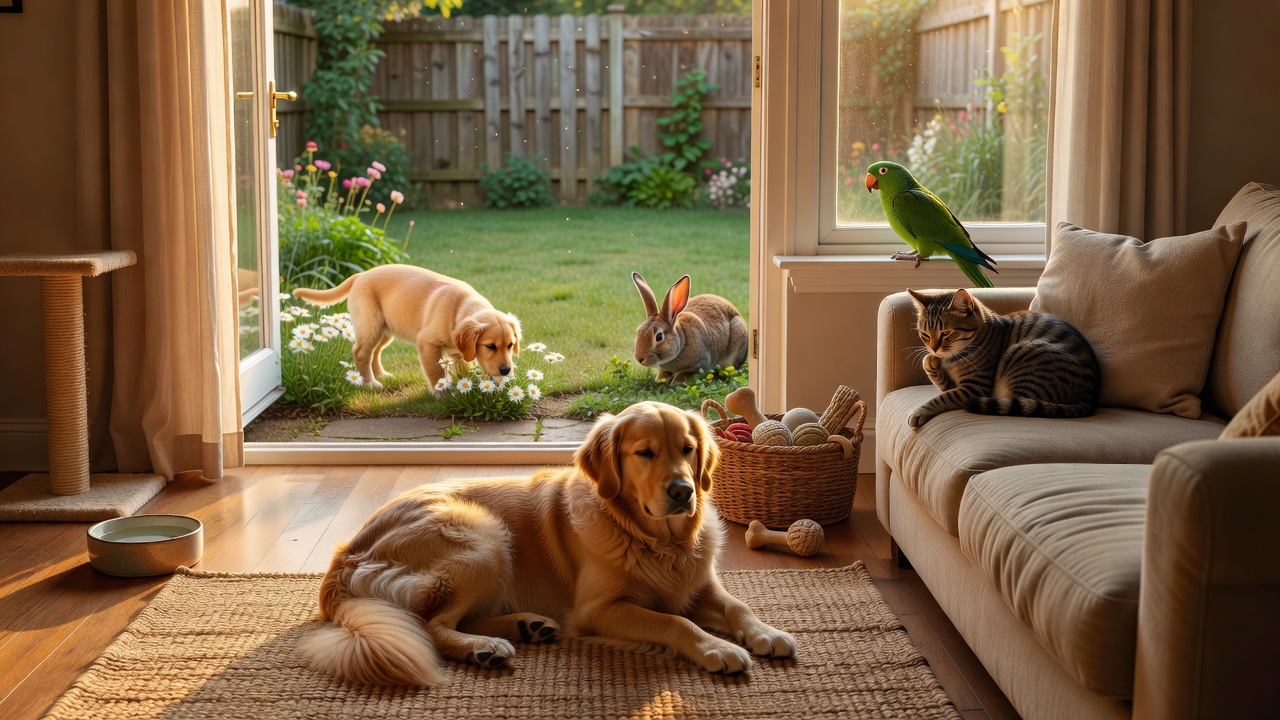
All Animals: Why Every Creature Deserves Our Care
From the tiniest tardigrade to the massive blue whale, all animals share something remarkable: they’re wired to survive, adapt, and thrive in ways that still surprise scientists. Whether you’re a devoted dog owner, a reptile enthusiast, or someone who just loves watching birds at the feeder, understanding the incredible diversity of animal life helps us appreciate why every species matters. This isn’t just a feel-good sentiment—it’s backed by decades of research showing how interconnected ecosystems truly are.
At Paws Daily, we believe learning about animals, big and small, wild and domestic, makes us better caretakers and more thoughtful members of this shared planet. Let’s take a closer look at what makes the animal kingdom so extraordinary.
All Animals Are Connected in Ways We’re Still Discovering
Scientists estimate there are somewhere between 8 and 10 million species on Earth, and researchers have only formally described about 1.5 million of them, according to the IUCN. That means most of the animal kingdom remains a mystery. Every creature, from apex predators to microscopic organisms, plays a role in the food web that keeps ecosystems balanced.
Take earthworms, for instance. They don’t get much glory, but they aerate soil and support plant growth that feeds herbivores, which in turn feed predators. Remove one link, even a seemingly small one, and the chain can start to unravel. This is why conservationists often talk about “keystone species”—animals whose presence has an outsized effect on their environment, like sea otters keeping kelp forests healthy by controlling sea urchin populations.
The Difference Between Domestic and Wild Animals
While people often think of animals in two separate categories, domestic and wild, the line is blurrier than you’d expect. Dogs descended from wolves tens of thousands of years ago, and cats essentially domesticated themselves by sticking around human grain stores to hunt rodents. Even today, many “wild” behaviors show up in our pets, from a dog’s instinct to dig a den to a cat’s need to stalk and pounce.
- Domestic animals rely on humans for food, shelter, and veterinary care
- Wild animals depend on natural habitats and instinctive survival skills
- Some species, like feral cats, exist in between—adapted to survive without full domestication
- Farm animals occupy a unique space, often bred for specific traits over generations
What Makes Animal Behavior So Fascinating
One of the best parts of loving animals is watching how differently they problem-solve, communicate, and bond. Elephants mourn their dead. Octopuses can open jars and escape aquarium tanks. Crows recognize human faces and hold what looks a lot like grudges. The more researchers study animal cognition, the more it becomes clear that intelligence takes many forms across species.
Dogs, for example, have been shown to understand human pointing gestures better than chimpanzees do, largely because thousands of years of domestication shaped their brains to read us. Meanwhile, pigs perform about as well as dogs on cognitive tests and can learn to play simple video games using a joystick, per findings summarized by the National Geographic animal research archives.
Communication Isn’t Just for Humans
Animals communicate constantly, just not always in ways we notice. Bees perform waggle dances to tell hive mates where to find flowers. Whales sing complex songs that can travel for miles underwater. Even houseplants… well, that’s a different article, but the point stands: communication in the animal kingdom is far more sophisticated than a simple bark or meow.
- Cats use slow blinks and tail positions to signal comfort or stress
- Dogs rely on scent marking to leave detailed “messages” for other dogs
- Parrots can learn to associate words with objects and actions
- Elephants use infrasound to communicate across long distances
Caring for All Animals, Whether They Live in Your Home or the Wild
Responsible pet ownership is one of the clearest ways individuals can make a direct, positive impact on animal welfare. That means providing proper nutrition, regular veterinary checkups, mental enrichment, and a safe environment. The ASPCA notes that preventive care, like annual wellness exams and parasite control, significantly reduces the risk of serious illness in companion animals.
But caring about animals doesn’t stop at the front door. Supporting local wildlife means making small choices, like keeping cats indoors to protect songbirds, planting native species that support pollinators, or simply not disturbing nesting areas during breeding season. Every yard, balcony, or green space can become a tiny refuge for wild creatures trying to navigate an increasingly human-dominated landscape.
Simple Ways to Support Wildlife Near You
- Set up a bird feeder or bath with fresh, clean water
- Avoid pesticides that harm bees, butterflies, and other pollinators
- Leave a section of your yard a little “wild” with native plants and leaf litter
- Report injured wildlife to a licensed rehabilitator rather than attempting care yourself
Why Learning About All Animals Makes You a Better Caretaker
The more you understand about animal biology and behavior, the easier it becomes to spot when something’s wrong with your own pet. A dog owner who understands canine body language will notice subtle signs of anxiety before it escalates into a bite. A reptile keeper who studies natural habitats will set up a terrarium that actually meets their pet’s needs, rather than guessing.
This kind of knowledge also builds empathy. Once you learn that fish feel pain, that chickens have distinct personalities, or that goldfish can recognize their owners’ faces, it becomes harder to view any animal as “just an animal.” Research published through the World Wildlife Fund continues to highlight how animal cognition and emotional complexity are far greater than earlier generations assumed.
Whether you’re scooping a litter box, filling a bird feeder, or simply reading about strange deep-sea creatures before bed, taking time to appreciate animals enriches your own life while supporting theirs. The animal kingdom is vast, weird, and endlessly interesting, and there’s always something new to discover about the creatures we share this planet with.