
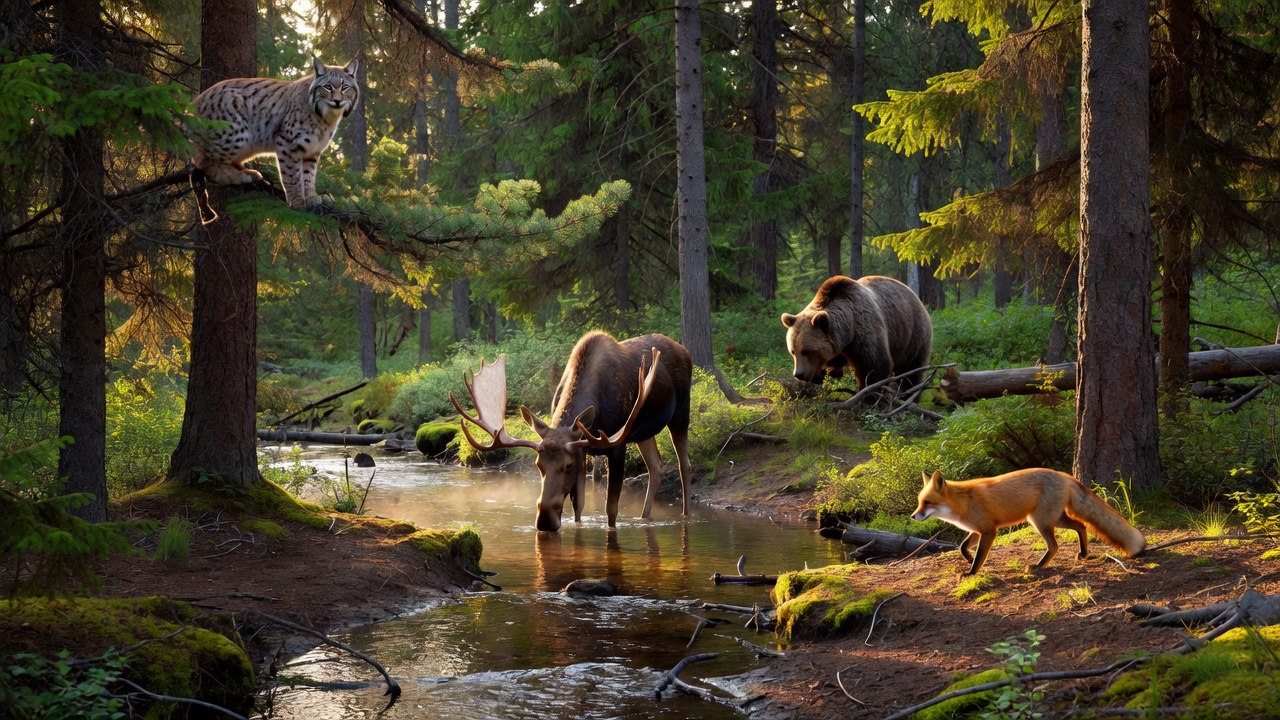
Taiga Animals: Wildlife of the Boreal Forest Explained
Stretching across Canada, Alaska, Scandinavia, and Russia, the taiga (also called the boreal forest) is the largest land biome on Earth, and it’s packed with some of the toughest, most fascinating creatures alive. Taiga animals have adapted to survive brutal winters, short summers, and a landscape dominated by conifers, bogs, and frozen lakes. If you’ve ever wondered how anything lives through -40°F nights, this guide is for you.
The taiga wraps around the globe in a wide belt just south of the Arctic tundra, and according to the World Wildlife Fund, it stores more carbon than any other biome on the planet. That massive scale supports an equally impressive cast of wildlife, from tiny voles to apex predators like wolves and bears.
Why Taiga Animals Are Built Differently
Life in the boreal forest means dealing with two extremes: brutal cold for most of the year and a short burst of warmth where everything has to breed, eat, and grow fast. Taiga animals have evolved some clever tricks to handle this rhythm.
- Thick fur and fat layers — Many mammals grow dense winter coats and pack on fat reserves before the cold hits.
- Seasonal color change — Species like the snowshoe hare and Arctic fox shift from brown to white for camouflage.
- Hibernation or torpor — Bears and some rodents slow their metabolism dramatically to conserve energy.
- Migration — Many birds simply leave for warmer climates when winter closes in.
Iconic Mammals of the Boreal Forest
Gray Wolves
Wolves are one of the taiga’s top predators, running in packs across huge territories to hunt moose, deer, and smaller mammals. Their howls carrying through the trees are one of the most recognizable sounds of the northern wilderness, and packs can travel over 30 miles a day tracking prey according to research compiled by the National Park Service.
Moose
The moose is the largest deer species on the planet and a true taiga icon. These massive herbivores wade into ponds and wetlands to feed on aquatic plants, and their long legs let them push through deep snow that would stop most other animals cold. Bulls can weigh over 1,000 pounds and grow antlers spanning six feet.
Brown Bears and Black Bears
Both species roam the taiga, feasting on berries, fish, and small mammals through summer and fall before denning up for winter. A hibernating bear’s heart rate can drop to just 8-10 beats per minute, an incredible feat of biological engineering.
Canada Lynx
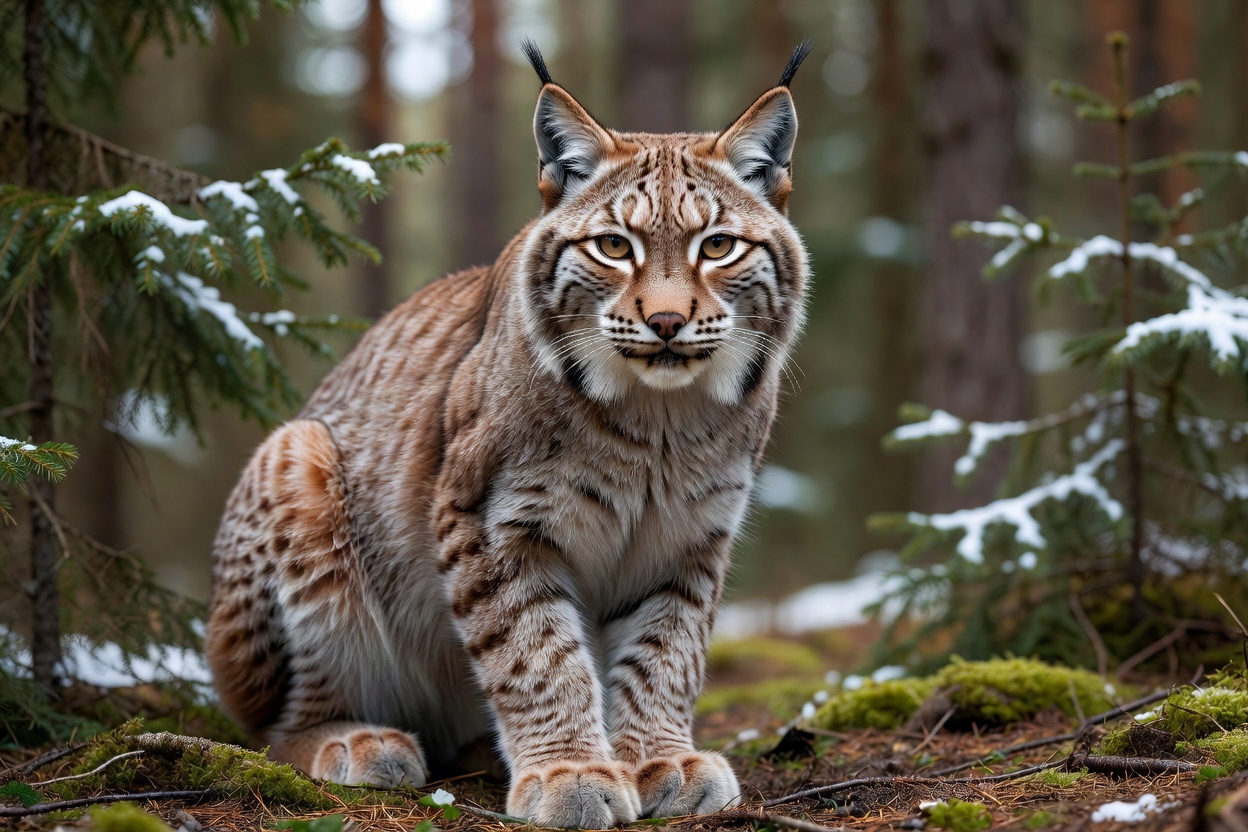
This elusive wild cat is a snowshoe hare specialist, and its population actually rises and falls in sync with hare numbers in a well-documented predator-prey cycle. Big furry paws act like natural snowshoes, letting the lynx move silently across deep snowdrifts while hunting.
Smaller Taiga Animals You Might Overlook
Not every taiga resident is huge and dramatic. The forest floor and underbrush are full of smaller species doing quieter, equally important jobs.
- Snowshoe hare — Named for its oversized hind feet, this hare changes coat color with the seasons and is a key food source for lynx, foxes, and owls.
- Red squirrel — Fiercely territorial, these squirrels stash thousands of pinecones each fall to survive winter.
- Wolverine — Pound for pound, one of the toughest animals in the forest, capable of driving off predators many times its size.
- Arctic fox — Found in the northern edges of the taiga, with fur so insulating it barely shivers even in extreme cold.
- Voles and lemmings — Tiny but critical, these rodents form the base of the food web for owls, foxes, and weasels.
Birds That Call the Taiga Home
The boreal forest is also a bird powerhouse. Billions of birds breed in the taiga each summer, taking advantage of the insect boom and long daylight hours, according to data from the Boreal Songbird Initiative.
- Great gray owl — One of the tallest owls in the world, with incredible hearing that lets it locate prey moving under snow.
- Boreal chickadee — A tiny bird that stays year-round, caching food and fluffing feathers for insulation.
- Spruce grouse — So well camouflaged among conifers that it’s earned the nickname “fool hen” for how close you can get before it flies off.
- Bald eagle — Found near lakes and rivers throughout the taiga, feeding heavily on fish during summer months.
Threats Facing Taiga Wildlife
The boreal forest isn’t as untouched as it might seem. Logging, mining, oil and gas development, and climate change are all reshaping this ecosystem faster than many species can adapt. Warmer winters are already shrinking snowpack in parts of the range, which hurts snow-dependent hunters like the lynx and disrupts the camouflage advantage of animals that turn white each winter. The IUCN tracks several boreal species as vulnerable due to habitat fragmentation from resource extraction.
Conservation groups are pushing for protected corridors that let animals like wolves and caribou move freely between breeding and feeding grounds, since fragmented habitat is often more damaging than warming temperatures alone.
Why the Taiga Matters
This biome isn’t just a backdrop for cool wildlife photos, it’s a massive carbon sink, a water filter, and a breeding ground for birds that spread across the globe every year. Protecting taiga animals means protecting an ecosystem that quietly supports climate stability for the entire planet. Next time you spot a chickadee or hear about wolf packs roaming Canada’s north woods, remember they’re part of one of the most important wild systems left on Earth.