
Facts on the Loyalty Traits of German Shepherds
“`html
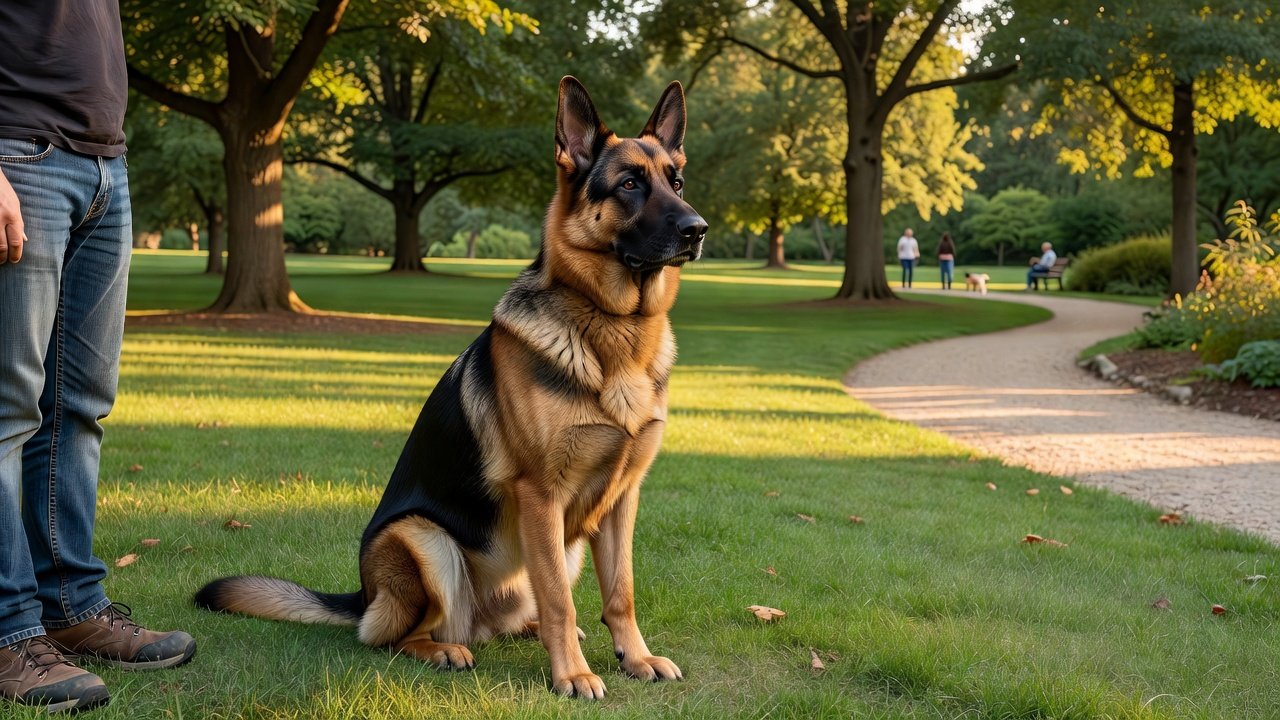
German Shepherds have long stood out for their deep loyalty, forming bonds that go well beyond simple affection and often translate into protective, duty-driven behavior. In my years as a vet tech and trainer I’ve seen this play out repeatedly in both family homes and working roles, where their intelligence and sense of commitment make them reliable companions, police dogs, and service animals alike. Grasping what drives these loyalty traits lets owners fine-tune care and training while understanding why the breed thrives in situations that demand trust.
The roots of this loyalty trace back to late-19th-century Germany, where the dogs were shaped primarily as herders. Selective breeding favored not just physical endurance but also the mental steadiness needed to guard flocks and remain close to handlers for hours on end. From a clinical standpoint, what owners miss here is how those same instincts now surface as vigilant guardianship inside modern households, with the dog treating its family as the flock to protect.
Max von Stephanitz specifically selected for strong protective instincts paired with emotional attachment, which produced a line where loyalty feels almost hardwired. That same focus explains their quick adoption into military and police work, where they maintain focus even under pressure. Compared with breeds like Labrador Retrievers, whose affection often shows up as exuberant play, German Shepherds express loyalty through watchful protectiveness. They tend to form a primary attachment to one person while staying cordial with everyone else, a pattern that directly influences how we structure daily pet-care routines.
Owners commonly report their German Shepherds shadowing them room to room. That behavior stems straight from herding heritage and the drive to keep valued individuals safe. These dogs also read human emotional cues with clinical precision, offering quiet comfort during stress or sounding alerts for intruders and even certain health changes. In home settings, a loyal German Shepherd will often place itself between family members and any perceived threat. When properly socialized, this makes for an effective watchdog without tipping into unprovoked aggression; structured training classes simply refine the instinct so it stays useful rather than problematic.
Strong loyalty can bring mild separation anxiety, something I’ve addressed in countless exam rooms. Interactive toys, predictable daily schedules, and brief focused training sessions help keep the bond steady while easing the dog’s distress. Many owners notice their dogs visibly relax only once the whole household is reassembled.
Positive-reinforcement methods suit German Shepherds especially well because their loyalty already primes them to seek approval. Consistent cues, reward-based drills, and early socialization deepen that trust further. Harsh corrections risk fraying the sensitive connection these dogs form with their handlers. Daily obedience work reinforces loyalty by clarifying leadership roles, while activities such as agility or scent detection keep their minds engaged and demonstrate that the owner is a dependable partner. A healthy dog stays more attentive, so high-quality protein nutrition, routine veterinary exams, and mental enrichment through puzzle toys all support the bond. Joint supplements often prove valuable for this active breed, preserving mobility and protective capacity well into the senior years.
The neurochemistry behind German Shepherd loyalty mirrors that of human-canine bonding across the board, but their breed temperament amplifies it considerably. Studies using oxytocin measurements have shown that German Shepherds produce elevated levels of this “bonding hormone” when interacting with their primary caregiver compared to neutral handlers. This biological underpinning explains why these dogs often seem to anticipate their owner’s needs before commands are issued. A German Shepherd will notice subtle shifts in posture, tone of voice, or routine that signal upcoming events, and this attentiveness allows them to excel in service work where they alert diabetic owners to blood sugar changes or alert handlers to oncoming seizures before symptoms fully manifest.
What sets German Shepherds apart in practical terms is their ability to balance loyalty with independent judgment. While they form fierce attachments, properly trained individuals retain the capacity to make split-second decisions in emergency situations. A service dog tethered to a wheelchair will refuse to move if the handler commands them forward into traffic, even though loyalty might suggest obedience. That interplay between devotion and discernment comes from the breed’s herding background, where dogs had to think for themselves while managing flocks without constant handler direction. This trait makes them invaluable in police K-9 units and search-and-rescue teams where conditions change rapidly and handlers cannot micromanage every action.
Multi-dog households present interesting dynamics with German Shepherd loyalty. Unlike some breeds that compete equally for status, German Shepherds typically establish clear hierarchies and then direct their primary loyalty upward to the human family unit. I’ve observed that introducing a second German Shepherd works best when both dogs are socialized together young, as they’ll cooperate in “protecting” the family rather than viewing each other as rivals for the owner’s affection. The breed’s loyalty framework appears wired more toward group cohesion than individual dominance, another legacy of their herding heritage where cooperation ensured flock safety.
Understanding the difference between loyalty and dependency matters for responsible ownership. A loyal German Shepherd should be confident, well-adjusted, and capable of entertaining itself when necessary. A dependent dog becomes anxious, reactive, and may develop problematic behaviors like destructive chewing or excessive barking. Building independence alongside loyalty requires owners to practice brief departures, vary their daily routines occasionally, and reward calm behavior during alone time. Crate training, properly introduced, actually strengthens loyalty by giving the dog a secure space that feels safe rather than confining. Dogs with healthy boundaries tend to greet their owners with more genuine enthusiasm because the reunion feels meaningful rather than ending constant distress.
Genetic factors influence how intensely individual German Shepherds express loyalty. Some lines produce more reserved, task-focused temperaments ideal for police work, while others lean toward warmer, more openly affectionate personalities suited to family life. Responsible breeders can guide prospective owners toward lines matching their lifestyle and emotional needs. A family seeking a protective but balanced companion differs from a handler needing a dog capable of extreme focus in chaotic environments. That said, even within a single litter, individual puppies show distinct personality markers by 6 to 8 weeks old, meaning early temperament assessment helps predict adult loyalty patterns.
The loyalty traits of German Shepherds deliver exceptional partnerships when owners commit to exercise, structured training, and attentive health care. Positive methods and preventive veterinary attention let families enjoy years of reliable companionship, whether the dog serves as household guardian or working partner. Understanding the biological, genetic, and behavioral foundations of their loyalty transforms ownership from simple pet care into informed partnership with one of the canine world’s most devoted breeds.
Key points that hold up across studies and clinical observation include their consistent ranking among the top three most loyal breeds, the ability to form attachments in as little as two weeks when adopted young, and the finding that over 80 percent of owners see protective behaviors even without formal guard training. The same traits suit them for search-and-rescue work, where they stay task-focused beside handlers. Proper socialization curbs unwanted aggression while safeguarding the core loyalty that defines the breed. Their average 9-to-13-year lifespan typically features steady devotion, and they respond faster to their owner’s voice than to strangers. Training success rates above 70 percent for loyalty-based tasks such as therapy work are common with consistent effort. Ranked third in overall intelligence, they quickly absorb family routines, and at least 60 minutes of daily exercise channels their protective drive into constructive outlets.