
Natural Remedies for Pet Anxiety Issues
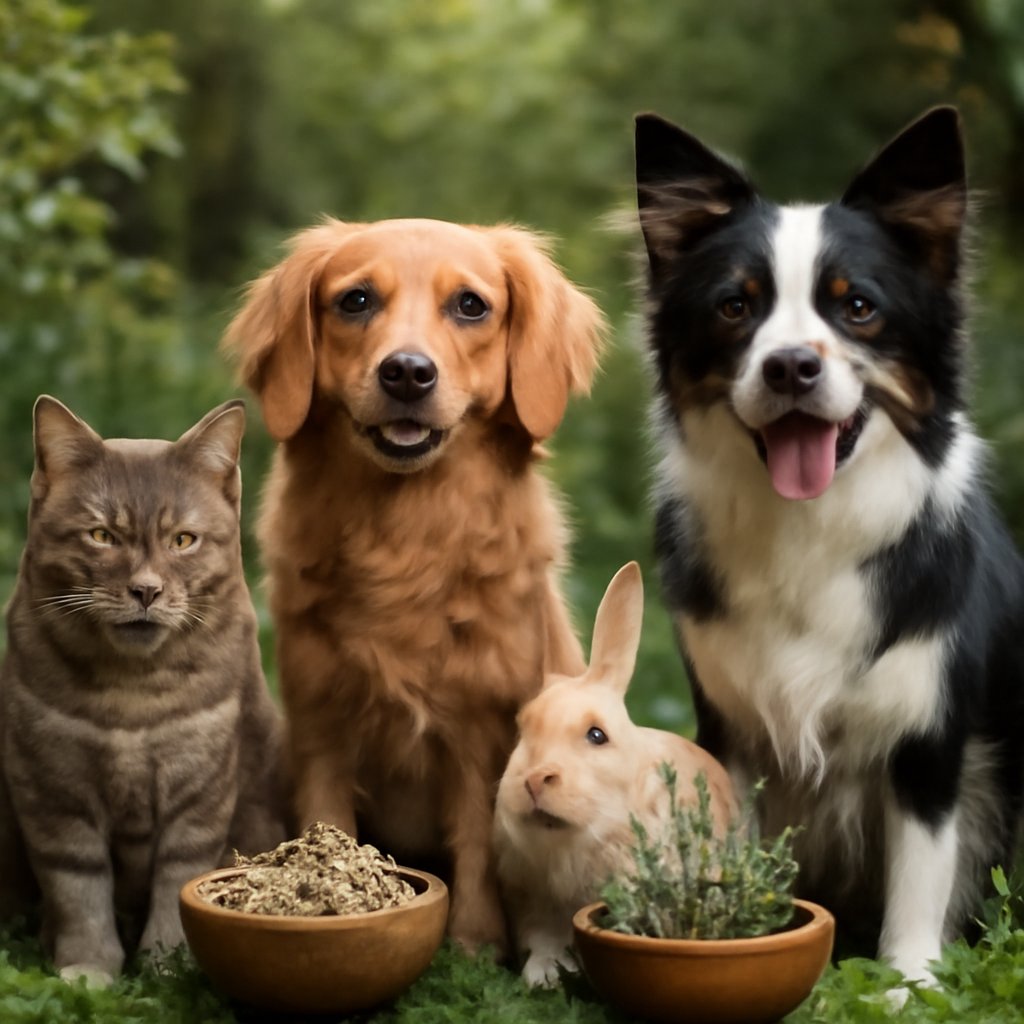
Natural remedies can offer meaningful support for managing anxiety in dogs and cats when used alongside solid veterinary oversight and consistent training methods. In my years as a vet tech, I’ve seen this situation countless times—pets showing stress during storms or separation that respond well once owners combine gentle interventions with behavioral work rather than jumping straight to meds.
From a clinical standpoint, what owners miss here is how anxiety shows up differently by species. Dogs often pace, vocalize, or chew destructively, while cats tend to withdraw, groom excessively, or avoid the litter box. High-drive breeds like Border Collies, German Shepherds, and Siamese cats carry higher risk because of their sensitivity and energy levels. Spotting these patterns early lets us layer natural options onto professional care for better long-term outcomes.
Watch for telltale signs such as nonstop barking, dilated pupils, shaking, appetite loss, or GI upset. Tracking them closely helps match remedies to the individual pet and stops problems from becoming chronic. Some pets also display subtle signals that owners overlook—tucked tails, ear flattening, lip licking, or sudden clinginess all warrant attention. Keeping a simple log of when anxiety episodes occur and what triggers them provides invaluable data for your veterinarian and helps you recognize patterns tied to weather, schedules, or household changes.
Understanding the Root Causes
Before diving into remedies, recognizing what drives your pet’s anxiety makes treatment far more effective. Separation anxiety stems from overdependence on owners and fear of abandonment, often emerging in rescue dogs or pets with early life disruption. Noise sensitivity, particularly to thunderstorms and fireworks, activates the fight-or-flight response and can worsen with age if left unaddressed. Social anxiety in multi-pet homes arises when resource competition or dominance hierarchies create constant low-level stress. Environmental changes—moving homes, new family members, or shifting routines—unsettle creatures who thrive on predictability. Age-related cognitive decline in senior pets sometimes mimics anxiety but requires different approaches. Identifying the specific trigger or combination of triggers lets you target interventions precisely rather than applying a one-size-fits-all approach.
Plant-Based Remedies and Supplements
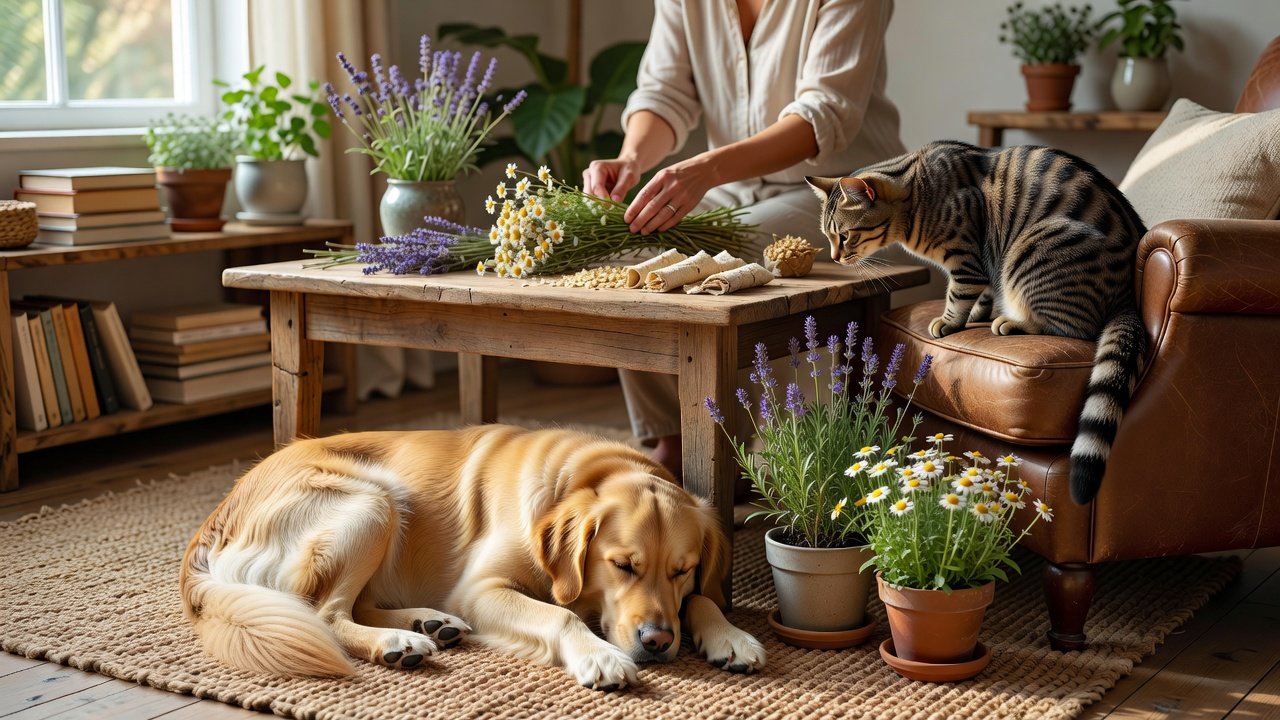
Plant-based aids like diluted chamomile or valerian root can ease nervous system activity in both dogs and cats. Low-level lavender diffusion creates a calmer space, but never apply essential oils straight to the coat. Most essential oils are concentrated and can irritate skin or cause systemic toxicity if ingested during grooming. Instead, use a proper diffuser in a well-ventilated room where your pet can leave if the scent becomes overwhelming. Passionflower is another herb gaining traction in veterinary circles, traditionally used to calm restlessness and support sleep cycles in anxious pets.
CBD from hemp has shown promise in lowering cortisol, with data indicating steadier behavior in rescue dogs after regular use. The endocannabinoid system, which CBD interacts with, plays a significant role in stress response and emotional regulation. Studies on CBD for pets remain ongoing, but early findings from veterinary behaviorists suggest benefits for noise anxiety and separation stress, particularly when combined with training. Always run any supplement past a veterinarian first, begin at minimal doses, and choose pet-specific formulas that skip toxins like xylitol. Quality matters enormously—third-party testing ensures you’re getting actual CBD content rather than unregulated products with inconsistent potency.
L-theanine, an amino acid from green tea, promotes relaxation without sedation and works especially well for cats resistant to behavioral training. Magnesium supports muscle relaxation and nervous system balance, though absorption varies by form and individual pet metabolism. Probiotics deserve special mention because the gut microbiome directly influences mood and stress resilience through the gut-brain axis—emerging research shows that certain probiotic strains can measurably reduce anxiety markers in both human and animal studies.
Training and Behavioral Modification
Positive reinforcement training pairs naturally with these approaches. Gradual desensitization—playing low-volume storm recordings while rewarding calm behavior—plus counter-conditioning builds new associations. For energetic breeds like Australian Shepherds or Abyssinians, daily puzzle feeders and short sessions raise confidence and cut baseline tension. The key to desensitization is patience and timing; you must expose your pet to the trigger at such a low intensity that they remain calm, then reward that calmness heavily. Rushing this process can backfire and actually strengthen the anxiety association.
Training consistency matters as much as the specific technique. A dog receiving anxiety-management training from one family member while others inadvertently reinforce fearful behaviors will progress slowly. Weekly sessions with a certified animal behaviorist, especially for severe cases, often accelerates improvement and teaches owners how to practice effectively at home.
Lifestyle and Environmental Adjustments
Nutrition matters too. Omega-3s from fish oil support brain function, and probiotics help the gut-brain connection. Aerobic activity, whether brisk walks or wand play, burns off energy that otherwise feeds anxiety. Safe zones with perches, Feliway diffusers for cats, or Adaptil collars for dogs round out the plan. A safe zone—a quiet room or crate with comfortable bedding where your pet can retreat—gives them control over their environment and reduces overall stress load. This becomes especially important during predictable stressors like storms or fireworks; allowing your pet to self-soothe in a secure space often reduces the severity of anxiety episodes.
Consistent feeding and sleep schedules, plus background sound to mask noises, make a real difference, especially in homes with multiple pets where resource competition can spike stress. White noise machines, calming music specifically composed for dogs or cats, or even soft talk radio can mask startling environmental sounds. Temperature control matters too—overly warm environments can elevate stress responses, while cool, comfortable spaces promote relaxation.
Breed-Specific Considerations
Certain breeds respond in distinct ways. Goldens often settle faster with swimming plus chamomile, while Persians may need quiet retreats paired with L-theanine treats. Matching tactics to breed traits respects both physical and temperamental needs. Terriers, bred for high prey drive and independence, may resist crate training but respond well to scent-based calming tools. Toy breeds, prone to separation anxiety due to their smaller size and breeding history as companion animals, benefit from gradual alone-time training starting with very short absences. Giant breeds sometimes carry anxiety disproportionate to their size, possibly because their large frames amplify physical stress responses like shaking.
Data-Driven Outcomes
Key data points include roughly 72 percent of dogs showing storm or fireworks anxiety, up to 40 percent of cats affected by routine shifts, and owner reports of 65 percent symptom improvement within four weeks when natural steps combine with training. Labs and Maine Coons tend toward lower baseline rates than working or oriental lines. Exercise alone can drop cortisol by about 30 percent, and pheromone products work for around 80 percent of cats with separation issues when used steadily. These statistics underscore that while natural remedies help, the combination of multiple approaches yields the strongest results.
Creating Your Plan
Putting these pieces together—herbal support, targeted training, breed-aware adjustments, and lifestyle tweaks—gives pets a stronger foundation for calmer days. Safety and veterinary guidance stay essential so these methods complement rather than replace clinical care. Work with your vet to rule out underlying medical conditions, establish a baseline, and monitor progress over weeks and months. Most pets show measurable improvement within 4-6 weeks of consistent, multi-faceted intervention, though some need longer timeframes depending on severity and how long the anxiety has been present.
Sources
- American Kennel Club – Anxiety in Dogs Expert Advice
- ASPCA – Anxiety in Pets Care Guide
-
Related Posts
- How to Handle Separation Anxiety in Adopted Pets
- Remedies for Common Skin Allergies in Pets
- Common Health Issues Affecting Senior Dogs Today
- Common Health Issues in Small Dog Breeds
- Signs Your Dog Has Separation Anxiety