
Desert Animals: Amazing Creatures That Thrive in Extreme Heat and Harsh Conditions
“`html
There’s something profoundly moving about creatures that endure the harshest conditions and still find ways to thrive. It reminds me so much of the quiet strength I’ve seen in rescue animals—my own three cats included, each one carrying stories of survival that make our home feel like a sanctuary. What every pet owner who’s adopted knows is that resilience often hides in the smallest adaptations, and the desert is full of those same lessons.
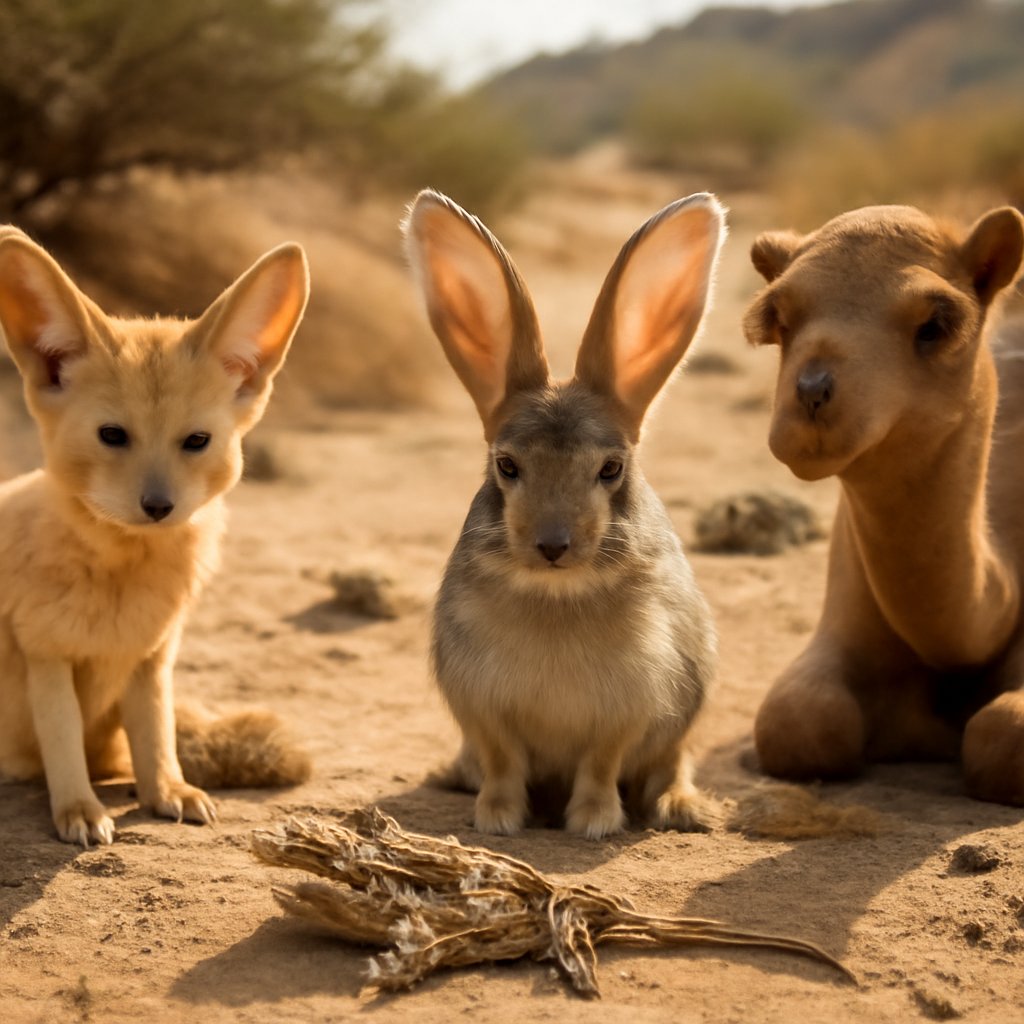
Take the camel, that enduring icon of sandy expanses from the Sahara to the Gobi. Its single or double hump stores fat for energy and water rather than holding liquid outright, letting these animals trek for weeks between drinks. They can gulp down forty gallons in one go, their thick coats shield against blazing days and chilly nights, and their efficient kidneys waste almost nothing. Like a rescue pet learning to trust again after scarcity, camels show us how to make the most of what’s given. What’s particularly remarkable is their body temperature regulation—camels can allow their core temperature to fluctuate by up to 6 degrees Celsius throughout the day, minimizing water loss through sweating. This physiological flexibility is something few mammals can achieve, and it’s one reason they’ve been invaluable to desert-dwelling human communities for thousands of years.
Then there’s the rattlesnake, a North American desert hunter with heat-sensing pits that guide it through darkness. Its rattle warns before any strike, and most of its moisture comes straight from prey. These serpents spend days tucked away, emerging only when the air cools, sometimes stretching meals across two weeks. My rescue cats have taught me patience in similar ways—waiting out tough times until the right moment arrives. The heat-sensing capability of rattlesnakes is extraordinarily precise—those facial pits can detect temperature changes as small as 0.003 degrees Celsius, allowing them to strike with deadly accuracy even in complete darkness. This makes them supreme nocturnal hunters, perfectly adapted to ambush prey that ventures out during cooler evening hours.
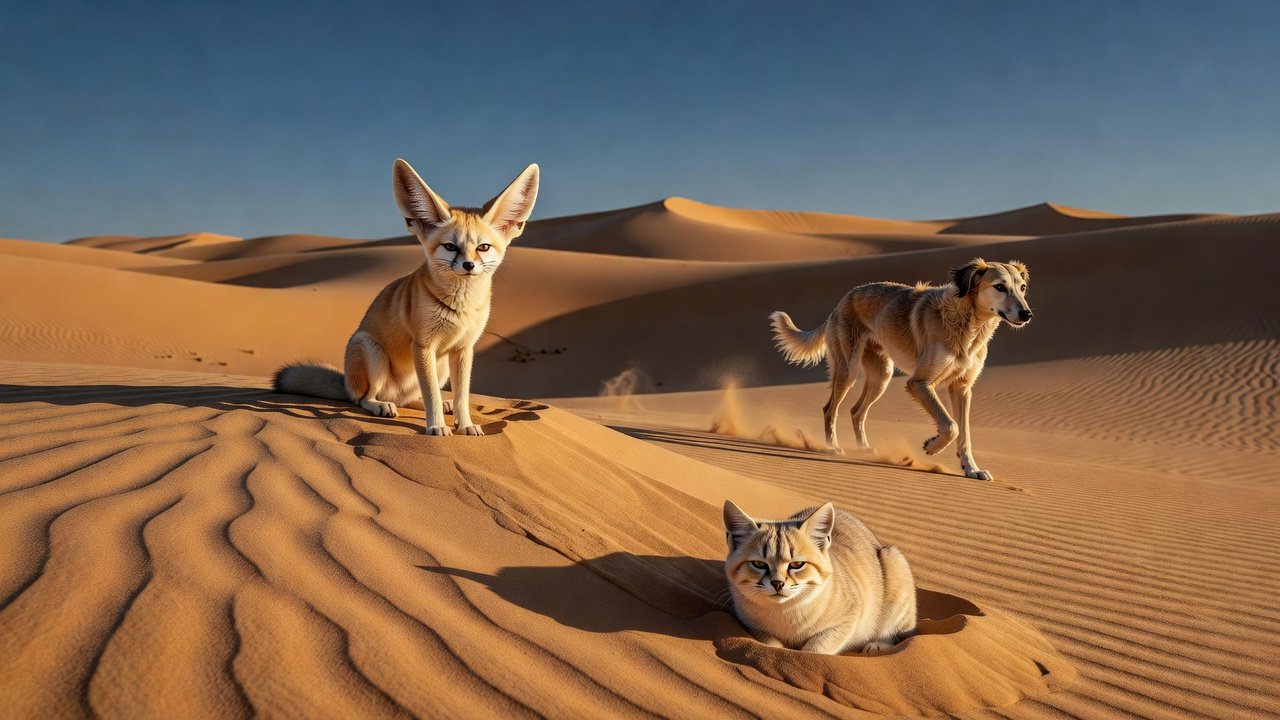
Small wonders like the fennec fox capture hearts with those oversized ears that double as natural cooling fans. No bigger than a house cat, it gathers water from insects and rodents hunted under moonlight, retreating to underground burrows by day. Family groups raise their young together, a reminder that bonds formed in hard places often run deepest. The fennec’s ears contain a rich network of blood vessels, and by holding them upright, these foxes can dissipate tremendous amounts of heat into the surrounding air—a process called thermoregulation that’s essential for survival in temperatures that regularly exceed 120 degrees Fahrenheit. Their feet are even specially padded to insulate against the scorching sand, much like built-in desert boots.
Scorpions, ancient survivors over four hundred million years old, endure extremes from freezing to beyond 140 degrees with slow metabolisms that let some last a full year without food. Their armor keeps precious moisture locked in, much like the inner fortitude adopted animals develop. Beyond mere survival, scorpions possess remarkable venom adaptations—each species has evolved toxins perfectly calibrated to immobilize specific prey. Some desert scorpions can even glow under ultraviolet light, though scientists still debate whether this serves a functional purpose or is simply a byproduct of their exoskeleton composition.
The fringe-toed lizard “swims” through sand to escape heat and danger, its fringed toes gripping loose grains while nostrils seal shut. Meerkats form tight-knit mobs of up to fifty, posting sentries while others forage, drawing hydration from beetles and grubs in the Kalahari. These social structures aren’t just about companionship—they represent a sophisticated survival strategy where individuals take turns as lookouts, allowing the group to maximize foraging time while minimizing predation risk. Young meerkats learn hunting and survival skills from older pack members, passing down generations of desert wisdom. Desert bighorn sheep navigate rocky slopes with little need for standing water, pulling moisture from plants instead. Their hooves have evolved special concave pads that provide superior grip on steep, rocky terrain, allowing them to reach vegetation and water sources inaccessible to other large mammals.
Coyotes roam as adaptable omnivores, shifting between insects and larger meals as nights fall. Their remarkable intelligence and flexibility have allowed them to thrive not just in deserts but across North America, even adapting to urban environments where they hunt rodents in city parks. This adaptability is one reason coyotes have actually expanded their range over the past century, while many other large carnivores have declined.
Birds add their own grace—the roadrunner dashes up to twenty-six miles per hour across open ground, balancing with its tail and nesting in shaded shrubs. These birds have evolved to spend most of their time on the ground rather than flying, conserving precious energy in an environment where every calorie matters. They can lower their body temperature at night, entering a state called torpor that dramatically reduces metabolic demands. The tiny elf owl, just five inches tall, claims cavities in saguaro cacti for daytime shelter. These miniature raptors are fierce hunters despite their diminutive size, capable of taking prey as large as insects and small rodents. Their enormous eyes, relative to body size, give them exceptional night vision for hunting in low-light conditions.
Even desert insects, from moisture-collecting beetles to temperature-regulating harvester ants, reveal ingenious strategies for conserving every drop. The Namib Desert beetle, for instance, has evolved a bumpy exoskeleton that collects water droplets from the air—a phenomenon so efficient that researchers have studied it to develop new water-harvesting technologies. Harvester ants have evolved complex temperature-regulation behaviors within their colonies, with workers moving food and brood to different chamber depths throughout the day to maintain optimal conditions.
Many of these animals rarely drink in the human sense, pulling hydration from food, concentrating waste, or converting fat into water. Their kidneys can produce urine saltier than seawater. The desert hedgehog, another remarkable survivor, can reduce its water loss through specialized kidney function while also entering torpor during the hottest months when food and water are scarcest. This combination of physiological and behavioral adaptations allows them to survive in some of Earth’s most inhospitable regions.
Yet climate shifts and habitat pressures now threaten species like the Arabian oryx and desert bighorn sheep, underscoring why protecting wild spaces matters as much as opening our homes to animals in need. Rising temperatures are pushing some desert animals toward their physiological limits—if the ambient temperature exceeds an animal’s maximum temperature tolerance, even their remarkable adaptations cannot save them. Conservation efforts for desert species often focus on protecting water sources and maintaining wildlife corridors that allow populations to shift their ranges as climate patterns change.
In the end, these desert masters offer more than biological facts—they echo the quiet courage that rescue culture celebrates every day. Whether spotting one on a trek or simply marveling at nature’s ingenuity, their stories deepen our respect for every living thing finding its way through difficulty.
Sources
“`