
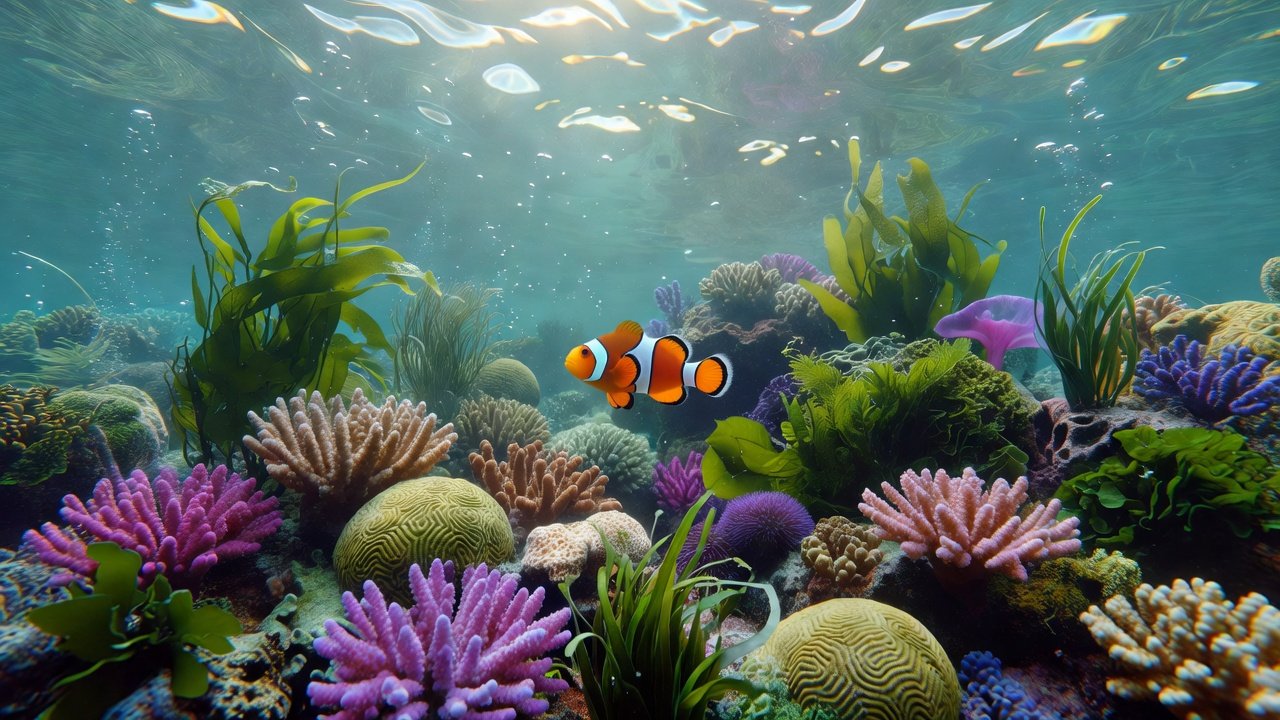
Sea Animals: 25 Incredible Creatures of the Ocean You Need to Know
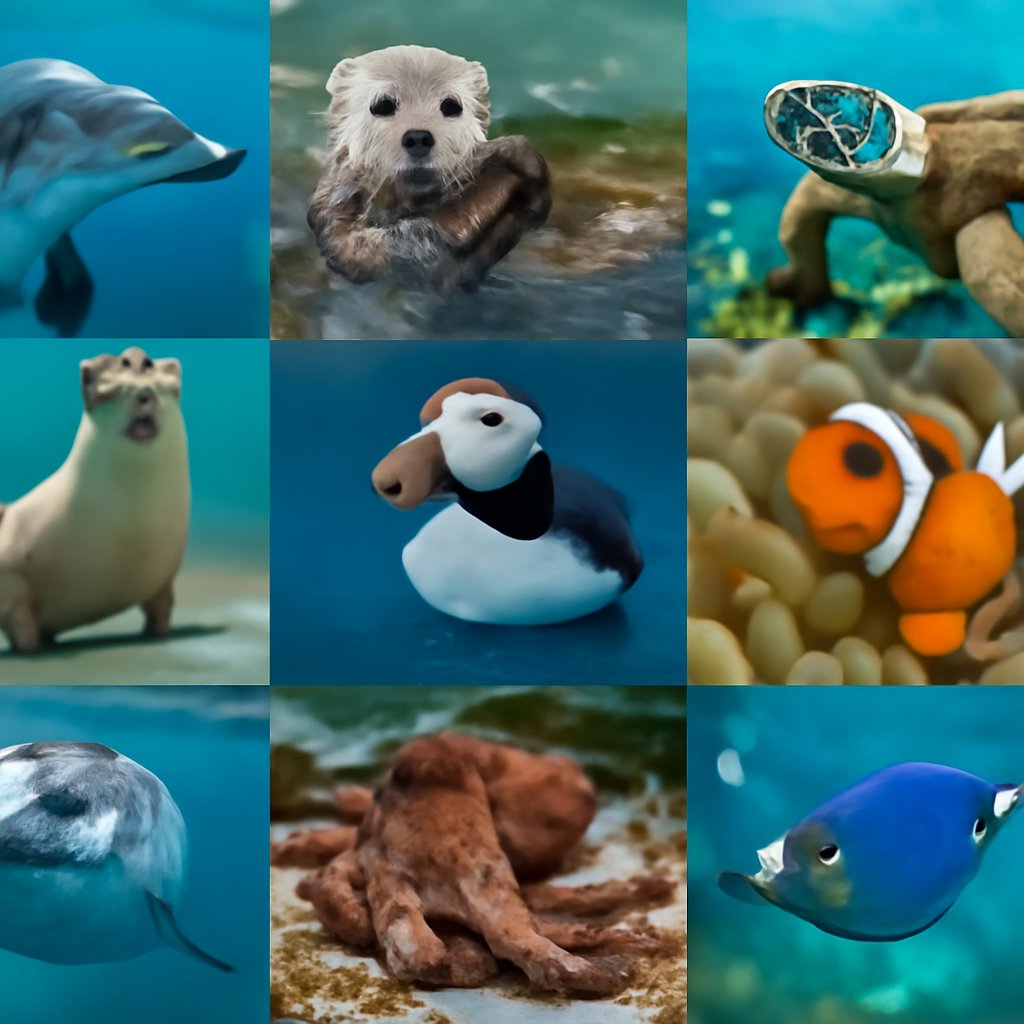
The ocean covers more than 70% of our planet, and beneath those waves exists an astounding diversity of sea animals that captures the imagination of curious minds everywhere. From the tiniest plankton to the largest whales ever to exist, these creatures remind me so much of the quiet resilience I see every day in my rescue cats. What every pet owner who’s adopted knows is that the bond we form with animals—whether they’re purring on our laps or gliding through the deep—changes us forever. My rescue cats have taught me that appreciation for any living being starts with slowing down and noticing their stories.
In this guide, we’ll explore the fascinating realm of sea animals, diving deep into their behaviors, habitats, and the unique adaptations that help them thrive in Earth’s most mysterious ecosystem. It’s a bit like the journey of bringing home a shelter pet: you never quite know what wonders await once you open your heart.
When people think of impressive sea animals, the first creatures that come to mind are often the ocean’s largest inhabitants. These magnificent beings represent some of the most awe-inspiring examples of life on Earth, much like the gentle giants we sometimes overlook in rescue centers.
The blue whale holds the distinction of being the largest animal ever to inhabit our planet—larger even than any dinosaur that ever walked the earth. These magnificent sea animals can reach lengths of 100 feet and weigh up to 200 tons. Despite their enormous size, blue whales feed on tiny krill, consuming up to 4 tons daily during feeding season. Their hearts alone weigh as much as a car, and their songs can travel hundreds of miles underwater.
Among the most fearsome sea animals, the great white shark is an apex predator that has roamed the oceans for millions of years. Growing up to 20 feet long, these powerful creatures are built for hunting with rows of razor-sharp teeth and an incredible sense of smell. Interestingly, great whites are more afraid of killer whales than any other sea animal they encounter.
Intelligence among sea animals often surprises people. Some ocean creatures demonstrate problem-solving abilities and social behaviors that rival land mammals, echoing the clever ways my own cats navigate their world after years in shelters.
Dolphins rank among the most intelligent sea animals on Earth, possessing large brains relative to their body size and sophisticated communication systems. These playful creatures use echolocation to navigate and hunt, and they’re known for their curiosity toward humans. Different dolphin species inhabit various ocean regions, from tropical waters to cold Arctic seas.
The octopus represents perhaps the most alien-like of all sea animals. With nine brains, blue blood, and the ability to change color and texture in milliseconds, octopuses are extraordinary creatures. They can solve puzzles, use tools, and escape from seemingly impossible situations. Each of their eight arms can work independently, giving them unparalleled dexterity among sea animals.
Often called “killer whales,” orcas are actually the largest members of the dolphin family and among the most intelligent sea animals. Living in tight-knit family groups called pods, orcas demonstrate complex hunting strategies, cultural traditions, and emotional bonds that fascinate marine biologists worldwide.
The ocean is a kaleidoscope of colors, and many sea animals sport spectacular hues and patterns, just as every rescued pet brings their own unique markings and personality into our homes.
Sea turtles have existed for over 100 million years, making them some of the oldest sea animals still living today. These gentle giants can migrate thousands of miles across oceans, relying on an internal compass and Earth’s magnetic field. There are seven species of sea turtles, each with unique characteristics and conservation statuses.
Among the most delightful sea animals is the seahorse, a small creature famous for an unusual distinction: the male gets pregnant and gives birth to live babies. Seahorses mate for life and hold each other’s tails while swimming, making them symbols of romance in ocean lore.
Jellyfish are among the oldest sea animals, having existed for over 500 million years—predating even dinosaurs. These gelatinous creatures are 95% water and come in hundreds of species, from tiny species invisible to the naked eye to giant species with tentacles stretching over 100 feet.
Beyond the famous ocean residents, countless remarkable sea animals deserve recognition for their incredible adaptations and behaviors—the same way every overlooked shelter animal has a hidden gift waiting to be discovered through adoption.
Deep in the ocean’s abyssal zone lives the anglerfish, a sea animal that produces its own light through bioluminescence. The distinctive glowing lure dangling from the female’s head attracts prey in the pitch-black depths where sunlight never reaches. Remarkably, in some anglerfish species, tiny males permanently fuse to females to reproduce.
The mantis shrimp is one of the ocean’s most incredible sea animals, with vision that can perceive colors humans can’t even imagine. Their powerful claws can punch with the force of a .22 caliber bullet, and they possess unparalleled sensory capabilities. They’re also among the only creatures that can see polarized light.
The nautilus represents one of the most primitive sea animals still alive today, essentially unchanged for millions of years. These creatures use jet propulsion to move through water and possess up to 90 tentacles lined with suckers, making them fascinating relatives of octopuses and squid.
Many sea animals face threats from pollution, climate change, overfishing, and habitat destruction. Understanding these creatures is the first step toward protecting them, just as supporting rescue organizations helps safeguard the futures of countless pets.
The vaquita is the world’s rarest marine mammal, with fewer than 10 individuals remaining. This small sea animal, found only in Mexico’s Gulf of California, faces extinction from illegal fishing nets.
Sea otters, among the cutest sea animals, are vital to their ecosystem. Their recovery from near-extinction represents one of wildlife’s greatest conservation successes. These playful creatures maintain kelp forest ecosystems by controlling sea urchin populations.
Protecting sea animals requires action at every level, much like choosing to adopt rather than shop for pets. Here are practical ways you can make a difference: reduce plastic use by choosing reusable products, support ocean cleanup efforts, choose sustainable seafood, educate others about these creatures, visit responsibly if you snorkel or dive, and support policies addressing climate change.
The ocean produces 50% of the world’s oxygen, largely through sea animals and phytoplankton. Starfish are sea animals that have no brain, heart, or blood. Some sea animals, like the Greenland shark, can live over 400 years. Sea animals in the darkest ocean depths often produce their own light through bioluminescence. Clownfish are all born male, and the largest becomes female when needed for reproduction. Sea cucumbers are sea animals that can expel their internal organs as a defense mechanism.
As our understanding of sea animals deepens, so too does our recognition of their importance to planetary health. Research into these creatures continues to reveal new species and behaviors. Scientists estimate that we’ve only discovered about 5% of all ocean species, meaning countless sea animals await discovery.
The future of sea animals depends on our commitment to ocean conservation. By learning about these creatures, appreciating their role in our ecosystem, and taking action to protect them, we ensure that generations to come can marvel at the incredible diversity of life beneath the waves—just as adopting a rescue pet ensures more animals get their second chance at love and safety.
Sea animals represent some of nature’s most wondrous creations, each perfectly adapted to their oceanic home. From the intelligent dolphins to the bizarre deep-sea creatures, the ocean’s inhabitants remind us of the incredible diversity life can achieve. Whether you’re fascinated by the gentle sea turtle, amazed by the intelligent octopus, or humbled by the massive blue whale, there’s no denying that sea animals deserve our respect, protection, and wonder. My rescue cats have taught me that every creature, big or small, has a story worth honoring. The next time you see the ocean, remember the millions of sea animals living in its depths—each with their own story, behaviors, and place in Earth’s most precious ecosystem. By fostering appreciation for these creatures, we take the first step toward ensuring a healthy ocean for all.
Sources
- ASPCA – Animal welfare organization providing pet care information and resources
- PetMD – Veterinary-reviewed pet health and care articles
- AKC – American Kennel Club with breed standards and pet care guidance
- VCA Animal Hospitals – Veterinary care provider with pet health resources
- NOAA – National Oceanic and Atmospheric Administration marine life education
Related Posts
- Rainforest Animals: 25 Incredible Creatures You Need to Know About
- Rainforest Animals: Colorful Creatures of the Jungle
- Ugly Animals: Why These Creatures Are Worth Loving
- Zoo Animals: Complete Guide to the World’s Most Fascinating Creatures
- The Most Weird Animals on Earth: Bizarre Creatures You Won’t Believe Are Real