
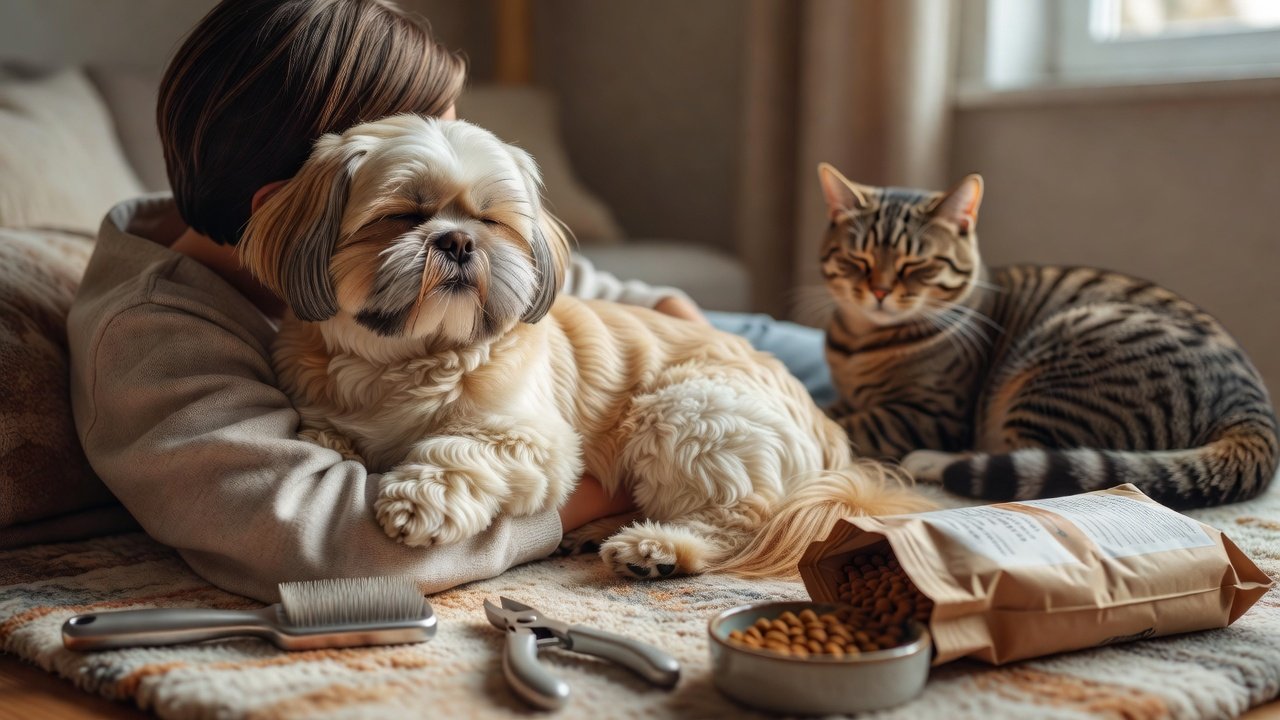
Why Shih Tzus Shine as Lap Dogs: Temperament and Everyday Care
“`html

There’s something undeniably special about a small dog who seems to exist just to share your space and your heart. Shih Tzus have been winning people over for generations with their compact frames and gentle ways, curling up close like they were made for it. Whether they’ve come from a breeder or, better yet, found their way through rescue, these little companions settle into family life with an ease that feels almost instinctive. What every pet owner who’s adopted knows is that the bond often runs deeper when an animal has had to wait for their forever home.
Shih Tzus carry a reputation for being wonderfully people-focused. They tend to trail their favorite humans from room to room, craving that steady closeness and the quiet reassurance of simply being near. My rescue cats have taught me that this kind of devoted presence turns an ordinary afternoon into something meaningful, and the same holds true for these affectionate little dogs. They rarely meet newcomers with anything but friendly curiosity, preferring connection over confrontation.
That mix of playfulness and calm makes them naturals for lap life. Short games of fetch or gentle tug are usually enough to satisfy them before they happily return to a cozy spot against you. They adjust easily to smaller living spaces and don’t push for long runs, which suits plenty of households looking for a relaxed rhythm rather than high-energy demands.
The history of the Shih Tzu breed itself reveals why they’re so naturally suited to companionship. Originally bred in China for imperial palace life, these dogs were specifically developed to be close, loyal companions. Their ancestors spent centuries alongside nobility, which shaped their temperament in profound ways. Unlike working breeds selected for independence or athletic ability, Shih Tzus were chosen for their desire to please, their affectionate nature, and their ability to thrive in close quarters with their humans. This heritage runs deep in their DNA, making their lap-dog tendencies far more than just cute behavior—it’s embedded in who they are as a breed.
Understanding their size is also part of their appeal. Weighing between nine and sixteen pounds on average, Shih Tzus strike that perfect balance where they’re substantial enough to feel like a real presence in your lap, yet light enough that they won’t cause strain during extended cuddle sessions. This compact size also means they eat less, requiring less space for food and water dishes, and they’re manageable for older adults or people with limited mobility who still want an engaged, loving companion.
Setting up a welcoming corner helps any dog feel secure, especially one settling into a new routine after adoption. A soft bed or blanket placed near your usual chair lets them stay close without any awkward stretching. Easy window views give their minds something to watch, and keeping favorite toys handy supports those calm moments of play. Because of their longer coats, paying attention to temperature helps them stay comfortable year-round.
Temperature sensitivity deserves special attention with Shih Tzus. Their thick, double coats were designed for the cooler climates of the Chinese mountains, which means they can struggle in heat. During warmer months, keeping them in air-conditioned spaces, avoiding midday walks, and providing cool water bowls throughout the day becomes essential. Some owners find that a professional summer trim helps their Shih Tzus stay more comfortable without compromising the breed’s characteristic appearance. Winter brings its own considerations—these dogs don’t typically need sweaters for indoor living, but if your area experiences harsh cold and your dog spends time outdoors, a protective coat can prevent discomfort.
Grooming becomes part of the daily rhythm that keeps them feeling their best. Brushing several times a week with a soft slicker brush, especially around the ears, belly, and legs, prevents tangles and keeps skin healthy. Professional trims every six to eight weeks, daily eye cleaning with a damp cloth, and monthly nail and ear care all add up to a comfortable companion. The same thoughtful consistency that helps rescue animals thrive applies here too.
The daily eye cleaning routine deserves emphasis because Shih Tzus are prone to tear staining and eye issues due to their facial structure. Using a soft, damp cloth or cotton pad to gently clean around the eyes each morning keeps irritation at bay and prevents infections. Some owners find that distilled water works better than tap water for this purpose, reducing mineral buildup that can contribute to staining. If you notice excessive tearing, redness, or discharge, it’s worth discussing with your vet, as these can signal underlying issues that need attention.
Their ears require particular care because their long coat covers the ear canal, creating a warm, moist environment where infections can develop. Weekly ear checks, gentle cleaning with a damp cloth, and keeping the area dry after baths all help prevent problems. If your Shih Tzu has a history of ear infections, your vet might recommend a professional cleaning routine or suggest keeping the fur around the ear canal trimmed.
Flat-faced breeds like Shih Tzus can face breathing challenges, so watching their weight and scheduling regular vet visits makes a real difference. Small dogs often need extra attention to dental care because tartar builds up quickly. Staying current with vaccinations and parasite prevention supports the kind of long, happy life every adopted pet deserves.
Dental health in particular warrants proactive attention. Shih Tzus have a higher incidence of dental disease than many other breeds, partly due to their small mouths where teeth are crowded together. Brushing their teeth several times a week with dog-specific toothpaste makes a significant difference. Your vet might recommend professional cleanings every one to two years, depending on your individual dog’s needs. Dental chews and toys designed to promote oral health can serve as supplementary tools, though they shouldn’t replace brushing.
Positive, reward-based training helps these dogs build confidence and good manners from the start. Short sessions with treats and plenty of praise work far better than stern corrections. Early exposure to different people, gentle handling, and everyday sounds prepares them to grow into steady adults, whether they’re puppies or older dogs finding their second chance through rescue.
One often-overlooked aspect of training Shih Tzus is managing their independent streak. While they’re eager to please their favorite people, they can be stubborn about requests they don’t find immediately rewarding. Breaking training into very short sessions—five to ten minutes maximum—helps maintain their focus and enthusiasm. Keeping rewards high-value, like small pieces of chicken or cheese, ensures they stay motivated. Patience becomes your greatest tool here, as pushing too hard often results in a Shih Tzu who simply walks away from the interaction.
Feeding a high-quality small-breed formula twice a day, always with fresh water nearby, supports steady energy without extra pounds. Fifteen to twenty minutes of walking plus indoor play keeps joints and minds active. On warmer days, keeping things light and offering a cool spot afterward prevents any unnecessary strain.
The question of diet quality matters more with small breeds like Shih Tzus because they’re more sensitive to nutritional imbalances. Look for foods formulated specifically for small dogs, which account for their faster metabolism and smaller stomach capacity. Ingredients matter too—whole proteins listed first, minimal fillers, and no artificial colors or flavors tend to support better health outcomes. Some owners find that adding a small amount of wet food to kibble improves palatability and hydration, which is especially helpful for dogs who don’t drink enough water.
Weight management deserves serious attention because obesity in small dogs can exacerbate breathing problems, joint issues, and dental disease. Knowing what your individual Shih Tzu’s ideal weight should be according to your vet helps you stay on track. Using a kitchen scale for portion measurement, rather than eyeballing, prevents gradual weight creep that can sneak up on you.
Adopting a Shih Tzu, or any companion really, reminds us that these relationships are built on patience, presence, and the quiet joy of simply being together. The care routines matter, but it’s the everyday closeness that turns a pet into family.
Sources
- American Kennel Club (AKC) – Official Shih Tzu Breed Standards and Characteristics
- ASPCA – Shih Tzu Care Guide and Breed Information
Related Posts
- 24 Hour Stomach Bug in Dogs: What Every Pet Owner Should Know
- Best Practices for Feeding Raw Diets Dogs
- Essential Health Screenings for Breeding Dogs
- Training Tricks to Improve Recall in Off-Leash Dogs
- What Makes Border Collies Excellent Herding Dogs