
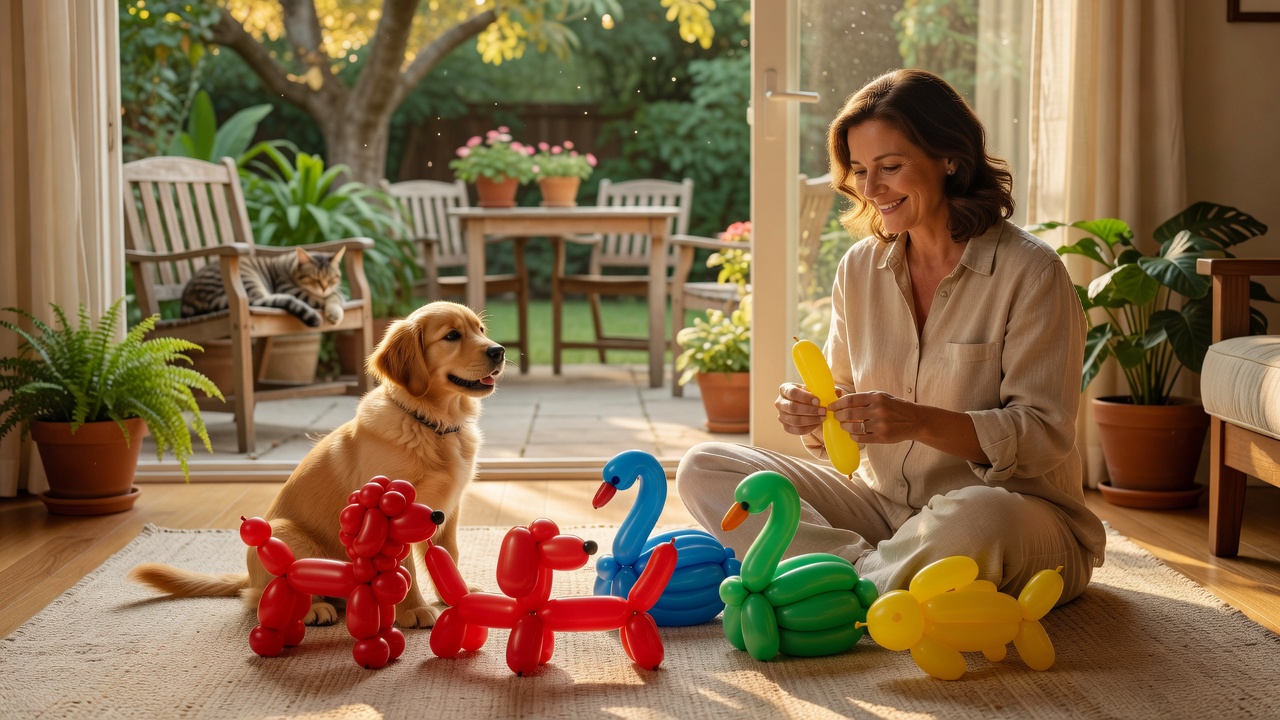
Balloon Animals: Fun Facts, History & Pet Safety Tips
Walk into any birthday party, county fair, or pet-friendly festival and you’ll likely spot someone twisting balloon animals into wiggly dogs, cats, and giraffes for a crowd of grinning kids. But balloon animals aren’t just party tricks — they’ve got a surprisingly deep history, a real skill curve, and yes, some important safety considerations for the actual animals in your household. Whether you’re a pet parent curious about whether these squeaky sculptures are safe around Fido or someone who just wants to learn the craft, there’s more to this colorful hobby than meets the eye.
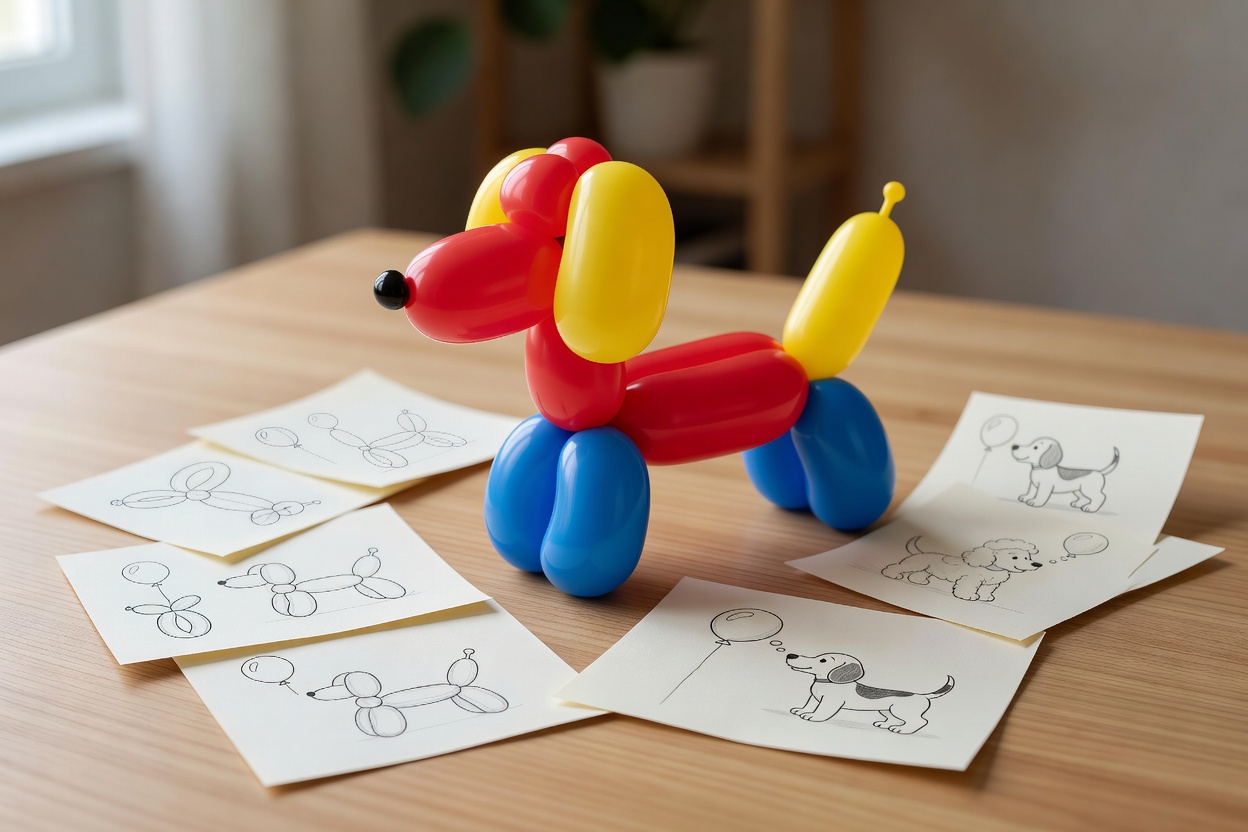
What Exactly Are Balloon Animals?
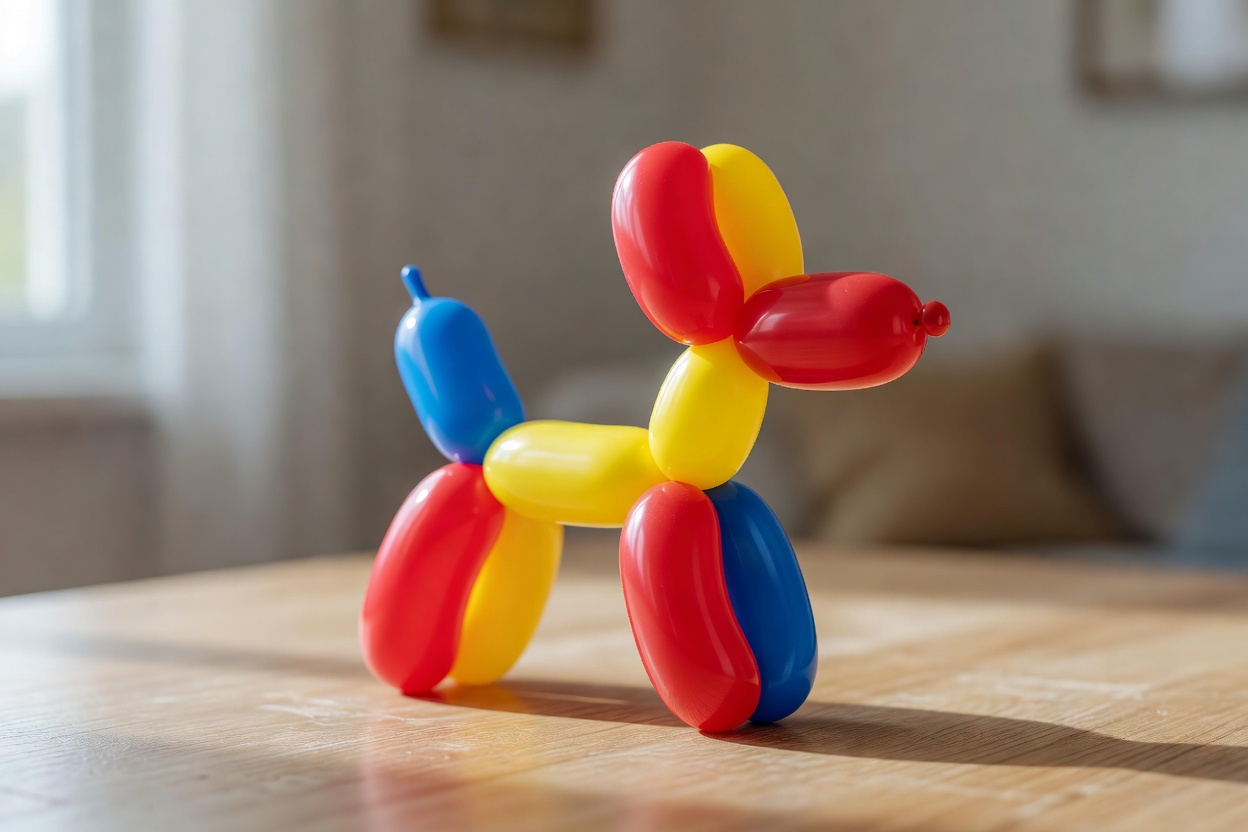
Balloon animals are sculptures made by twisting and folding long, thin balloons (often called “260s” in the trade, referring to their size in inches) into recognizable animal shapes — dogs, swans, elephants, and increasingly elaborate creatures like octopuses or dragons. The basic technique relies on creating “bubbles” of trapped air along the balloon’s length, then twisting them together at pinch points to form legs, ears, necks, and tails.
The classic “balloon dog” is usually the first shape anyone learns, and it’s become such a cultural icon that artist Jeff Koons famously created giant stainless-steel sculptures based on it, some selling for tens of millions of dollars at auction, according to auction records summarized on Wikipedia’s Balloon Dog page.
A Quick History Lesson
Balloon twisting as a performance art traces back to the early 20th century, but it really took off in the 1930s and 40s when rubber balloon manufacturing became more reliable. Clowns and street performers adopted the craft because it was portable, cheap, and endlessly entertaining. Today it’s a legitimate art form with international competitions, professional guilds, and even balloon twisting conventions that draw thousands of attendees, as documented by organizations like Qualatex Balloon Network.
Why Balloon Animals Matter to Pet Lovers
Here’s where things get interesting for those of us who write about (and obsess over) real animals: balloon animals often serve as a gentle introduction to zoology for kids. A child twisting a balloon giraffe might ask why real giraffes have such long necks, sparking a genuine curiosity about wildlife. Balloon animal shapes frequently mirror actual animal anatomy in simplified form — long necks for giraffes, floppy ears for dogs, curved trunks for elephants — making them surprisingly effective visual teaching tools.
Many wildlife education programs and zoos actually incorporate balloon twisting into their outreach events specifically because it bridges the gap between abstract animal facts and something tactile kids can hold and manipulate themselves.
Popular Balloon Animal Shapes
- Balloon dog — the foundational shape almost every twister learns first
- Balloon swan — elegant and requires minimal twisting
- Balloon elephant — trickier due to the trunk and ear details
- Balloon butterfly — popular for its symmetry and bright colors
- Balloon giraffe — a crowd favorite because of its exaggerated proportions
- Balloon octopus — advanced twisters love the multi-legged challenge
Balloon Animals and Real Pet Safety: What Owners Need to Know
This is the part that matters most if you actually have four-legged family members at home. While balloon animals are a blast for human guests, they pose genuine risks to dogs, cats, and other household pets.
The Choking and Ingestion Hazard
Latex balloon fragments are a known choking and intestinal blockage risk for dogs and cats. If a balloon pops near your pet, the shredded pieces can look and smell interesting enough that curious animals try to chew or swallow them. Veterinary sources including the ASPCA Animal Poison Control Center list latex and rubber materials among common household items that cause gastrointestinal obstructions requiring surgical removal.
Noise Sensitivity
Balloons popping unexpectedly can trigger serious stress responses in noise-sensitive pets, particularly dogs. Studies on canine noise aversion, including research summarized by the American Veterinary Medical Association, show that sudden loud bangs can cause anxiety responses similar to fireworks phobia, sometimes lasting well beyond the initial startle.
Keeping the Fun Safe
- Supervise pets closely during parties where balloon animals are being made or popped
- Dispose of popped balloon fragments immediately and thoroughly
- Keep uninflated balloons out of reach — the latex strips are just as tempting to chew
- Consider a separate room or crate for anxious pets during balloon-heavy celebrations
- Choose foil balloons instead of latex if pets will be nearby, since foil doesn’t shred the same way
Getting Started With Balloon Twisting Yourself
If you’re inspired to learn, the good news is that balloon animals are one of the most accessible art forms out there. A basic starter kit costs less than most restaurant meals, and a single 260 balloon costs pennies. Beginners should start with a hand pump rather than lung power alone — it’s faster, more consistent, and won’t leave you lightheaded after your tenth balloon dog.
Most twisters recommend learning three foundational twists first: the pinch twist, the fold twist, and the loop twist. Once those become second nature, you can combine them into dozens of shapes without ever consulting a manual again. Online tutorials from professional twisters offer step-by-step guidance, and local balloon guild chapters often host beginner workshops for anyone wanting hands-on instruction.
Final Thought for Animal Lovers
Balloon animals sit at a fun crossroads between craft, performance, and genuine animal appreciation. They spark curiosity about real wildlife, bring joy to parties, and even show up in fine art auctions. Just remember that the squeaky rubber versions and the living, breathing pets sharing your home need very different kinds of care — one needs a steady hand and some air, the other needs your full attention and a watchful eye whenever the party balloons come out.