
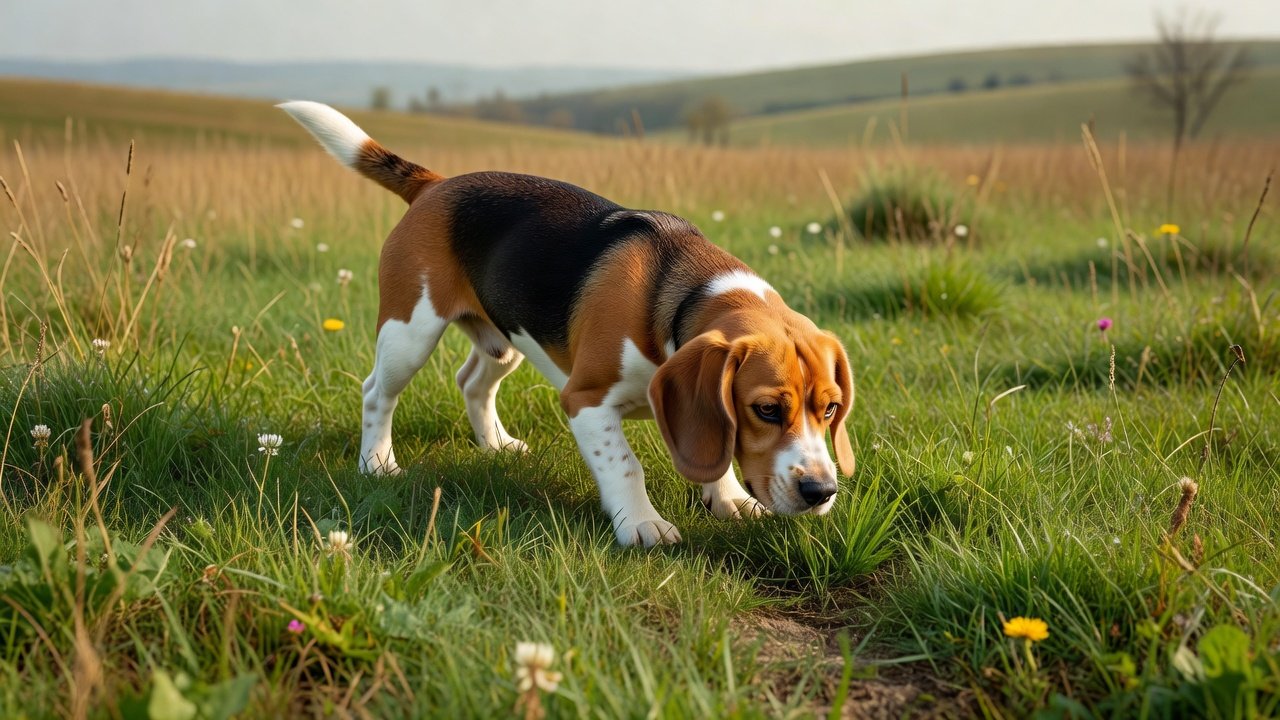
The Enduring Legacy of Beagles: History and Hunting Instincts
“`html

There’s something so special about welcoming a Beagle into your life, whether through a rescue group or a shelter that specializes in hound breeds. These cheerful little dogs with their soulful eyes and endless zest have been stealing hearts for generations, and their story runs deep into the hunting traditions of centuries past. What every pet owner who’s adopted knows is that learning about a dog’s heritage helps you meet them where they are, honoring the instincts that make them who they are while building that unbreakable bond. My own rescue cats have taught me that animals carry their histories in quiet ways, and the same holds true for these hounds—understanding where they come from makes the everyday joys of living with them even richer.
Beagles trace back to those early hunting dogs that worked the English countryside and nearby areas. Writings from as far back as the 1400s mention small hounds much like the ones we know today, prized for their sharp noses and knack for following trails through thick brush. The name itself comes from old French and English words for “small” or “loud-mouthed,” nodding to their compact frames and that unforgettable baying call. Selective breeding over the years shaped them for both speed and staying power, and by the 1800s they were the go-to pack dogs for British hunters who needed reliable companions in the field.
What’s fascinating is how Beagles fit into the broader landscape of hound breeds. While larger hounds like Foxhounds and Bloodhounds were reserved for hunting larger game, Beagles filled a unique niche as the working person’s hunting dog. They were small enough to follow on foot without needing a horse, yet sturdy enough to handle a full day in the field. This accessibility helped them spread beyond the nobility and gentry to become beloved by ordinary hunters and farmers across England and eventually around the world. By the Victorian era, Beagle shows were becoming popular, and breed standards began to solidify, ensuring that the dogs we know today carry the authentic traits their ancestors possessed.
Hunting with Beagles, often called beagling, grew into a beloved practice that crossed oceans. Packs would track hare and rabbit, leaning on their extraordinary sense of smell instead of pure speed. Hunters followed on foot, listening to the musical voices of the dogs as they worked, which created a real partnership between human and hound. Unlike sight hounds that rely on speed, Beagles shine at scent tracking—their long ears help gather and direct smells to their noses, and their sturdy build gives them the stamina to keep going for hours. That same friendly nature let them get along well in a pack, a trait that still shines through in homes today. In fact, beagling clubs still exist in England and throughout Europe, keeping this centuries-old tradition alive with dedicated packs that hunt using traditional methods and maintain meticulous breeding records.
The unique physical characteristics of Beagles aren’t just cosmetic—they’re engineering marvels shaped by their hunting purpose. Those droopy ears aren’t just cute; they actively participate in scent tracking by creating air currents that direct odors toward the nose. Their compact, muscular body is built for endurance rather than speed, allowing them to maintain a steady pace for miles. Their short, dense coat provides protection from brush and weather without the burden of longer fur. Even their tail, carried high with a slight curve, serves a purpose—it’s a visible flag that helps hunters keep track of the dog when it’s deep in brush or tall grass. These features demonstrate how thoroughly breeding shaped every aspect of the Beagle to excel at one specific job.
Those hunting roots left Beagles with some standout qualities that show up even in everyday life. They have an exceptional nose, capable of picking up scents that are hours old. There’s a strong pack mentality and deep loyalty to their people, plus a persistent drive once they lock onto a trail, and that lovely voice they use to communicate. Even if your Beagle has never seen a hunt, these instincts are alive and well. You might catch them pausing mid-walk to investigate an invisible scent line or letting out an excited bay at a sound only they can hear. These aren’t problems to fix—they’re simply part of who they are.
Beagles carry one of the strongest senses of smell in the canine world, with around 220 million scent receptors. To put that in perspective, humans have only about six million scent receptors, making a Beagle’s nose roughly 30 to 40 times more sensitive than ours. That gift sometimes leads them to follow their nose a little too far, which is why so many end up needing the second chance that rescue provides. What I’ve seen time and again in rescue circles is how the right home—one that understands this drive—turns potential challenges into strengths. Safe spaces where they can sniff freely, paired with positive training, make all the difference. Many of the Beagles in rescue have escaped during walks or gotten into situations where their nose led them astray, not out of disobedience, but because their instincts overwhelmed their impulse control.
This is why secure fencing and reliable recall training are particularly important for Beagle owners. A Beagle that catches an interesting scent may simply tune out the world around them, which is why off-leash freedom requires extra caution. Establishing a strong “come” command and using high-value rewards works better than punishment, since you’re working with an ancient instinct rather than against willful misbehavior. Many experienced Beagle owners recommend using a long line even in securely fenced yards, just as an additional safety layer.
Modern life with a Beagle gets even better when you give those instincts healthy outlets. Scent games, puzzle toys, and nose-work classes offer wonderful mental exercise and keep that heritage alive in positive ways. A good long-leash sniffing session in a secure spot can ease restlessness and deepen your connection. Because they were bred to work independently on a trail, patience and consistency go a long way—activities like tracking or simple hide-and-seek with treats let them use their natural talents safely. With those outlets, a Beagle’s hunting spirit becomes one of the sweetest parts of daily life, turning ordinary moments into opportunities for real partnership and joy.
Consider creating a dedicated sniffing area in your yard or visiting local parks where your Beagle can explore scents freely. You might hide treats in the grass, bury toys in sand, or create indoor scent trails using essential oils on paper towels. Nose-work competitions have become increasingly popular, and many Beagle owners find that channeling their dog’s natural abilities into these activities creates a fulfilling hobby while strengthening the human-canine bond. Some owners even discover that their Beagles excel at search-and-rescue work or detection training, proving that these ancient hunting instincts remain valuable in modern contexts.
Understanding the Beagle’s independent nature is also key to living harmoniously with one. Unlike breeds that were selected primarily for obedience to humans, Beagles were encouraged to use their own judgment while hunting. They needed to make decisions in the field without constant direction. This means they’re thinking dogs with opinions of their own, which can be delightfully entertaining but also occasionally challenging. They’re not being stubborn when they ignore a command to follow a scent—they’re being true to their nature. Approaching training with this understanding, using rewards-based methods and acknowledging their independent streak, creates much better results than expecting them to abandon their instincts.
The social aspect of their heritage matters too. Beagles were pack dogs, which explains why they often do well with other dogs and why they form such strong bonds with their human families. They genuinely enjoy company and can struggle with isolation or loneliness. If you’re considering a Beagle, thinking about whether your lifestyle accommodates their social nature is important. Some thrive in multi-dog households, while others do wonderfully as the single pet with an attentive owner who provides regular interaction and activity.
Adopting one of these dogs means giving their story a happy new chapter, and the bond that grows from that choice is something truly special. When you understand where a Beagle comes from—the generations of breeding for determination, loyalty, and an incredible nose—you can appreciate them more fully and meet them with the kind of environment and activities that let them flourish. Their hunting heritage isn’t something to overcome; it’s something to celebrate and channel thoughtfully into your shared life together.