
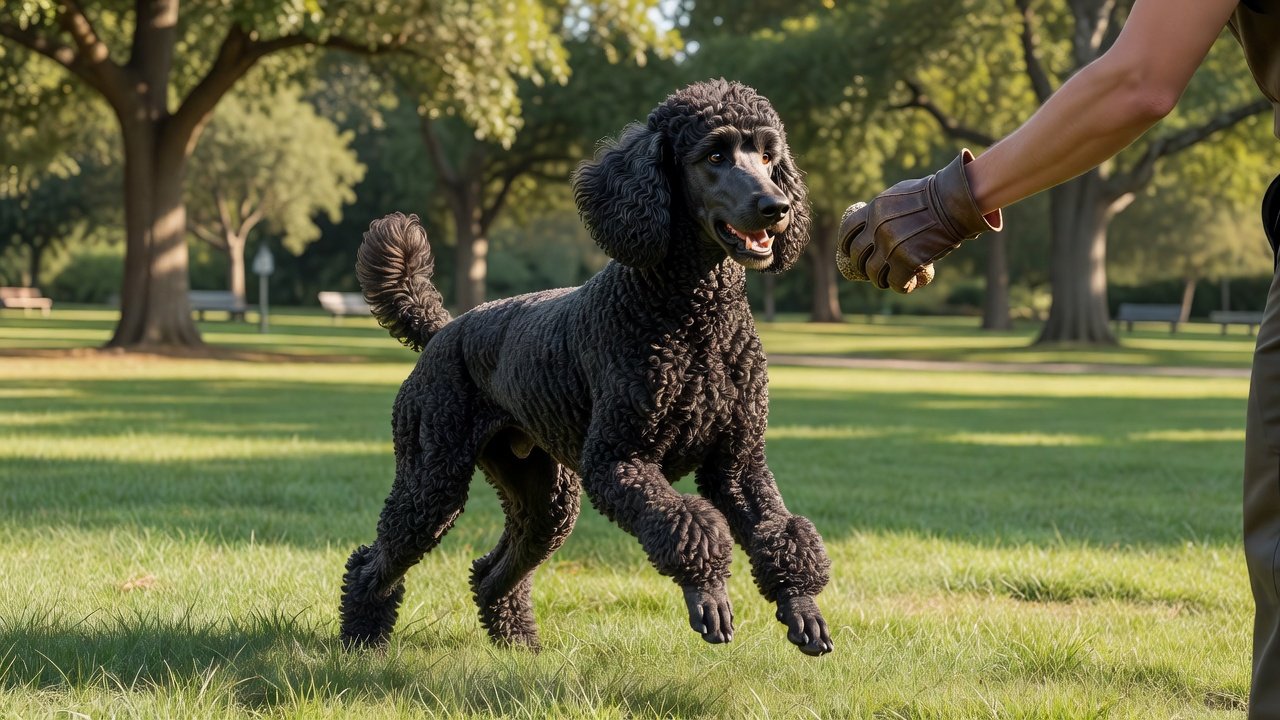
Why Poodles Are Among the Smartest Dogs and How to Train Them Successfully
“`html

Welcoming a poodle into your home through adoption feels like inviting a bright, intuitive companion who quickly tunes into the rhythms of your days. These elegant dogs bring an eagerness to engage that makes every training moment feel like a shared discovery, strengthening the quiet, lasting bond that comes from truly knowing one another. What every pet owner who’s adopted knows is that this kind of connection grows even deeper when you meet their need for mental challenge with patience and heart.
My rescue cats have taught me that intelligence in animals often shows up as quiet observation and a longing to stay connected, and poodles reflect that same spark. Originally bred as water retrievers, they developed sharp focus and quick thinking that now helps them navigate busy households or pick up new skills with ease. They watch routines, anticipate needs, and even work through simple puzzles on their own, all while holding onto commands long after practice ends.
Experts rank poodles among the smartest breeds because of their working and obedience abilities. They often learn new commands after just five to fifteen repetitions, responding readily to human cues and showing real reasoning in daily life. This comes paired with athletic grace and emotional sensitivity, letting them notice subtle shifts in tone or body language that make training feel more like conversation than instruction. Families, singles, and first-time owners alike find them adaptable when guidance stays encouraging and consistent.
The intelligence of poodles ranks consistently high across multiple canine intelligence studies. Stanley Coren’s famous research on dog intelligence placed poodles in the top tier, typically ranking them as the second or third smartest dog breed overall, behind only Border Collies and sometimes Shetland Sheepdogs. This ranking reflects their ability to understand new commands in fewer than five repetitions and obey commands on the first try about 95% of the time. This exceptional cognitive ability stems from their heritage as retriever dogs, where quick decision-making and independent thinking were essential traits valued by hunters working with their dogs in water and field environments.
Key traits that highlight their smarts include quick command learning and reliable recall, creative problem-solving with puzzle toys, easy adjustment to new environments, and an emotional awareness that deepens human connections. Starting training early with short, upbeat sessions of ten to fifteen minutes works best, using high-value treats and warm praise to reward progress. Break bigger tasks into small steps, add hand signals to support their visual strengths, and practice in different spots around the house so commands hold up amid distractions. Consistency across everyone in the home prevents confusion and builds steady confidence.
Poodles come in three size varieties—Standard, Miniature, and Toy—and all three share the same sharp intelligence, though their training needs may vary slightly based on size and individual personality. Standard Poodles, weighing 45 to 70 pounds, often excel in advanced training like service work, therapy certifications, and competitive obedience trials. Miniature and Toy Poodles, while smaller, demonstrate the same cognitive abilities and eagerness to learn, making them excellent choices for apartment living or those seeking a highly trainable companion in a more compact package. Regardless of size, all poodles benefit from mental stimulation and consistent training from a young age.
Even bright poodles can grow stubborn if bored, so varying routines and adding fresh challenges keeps them engaged. Issues like excessive barking from too much time alone respond well to gradual desensitization paired with puzzle feeders that occupy their minds. Ending every session on a positive note helps them link learning with joy and closeness. Understanding that a bored poodle can become destructive is important—these dogs will chew furniture, dig holes in yards, or engage in other unwanted behaviors if their minds aren’t properly occupied. Providing at least one to two hours of combined mental and physical exercise daily helps channel their intelligence productively.
Interactive games turn daily life into enrichment. Hide treats for scent work, teach them to sort toys by color or size, or rotate puzzle toys weekly to hold interest. Advanced options like agility or fun tricks such as rolling over or fetching items by name give their minds the workout they crave while building your teamwork. Regular mental and physical exercise together creates balanced, contented dogs who rarely turn to unwanted behaviors. Many poodle owners find success with nose work activities, where dogs use their natural scenting ability to locate hidden treats or toys. This taps into their retriever ancestry while providing satisfying mental engagement that keeps them happy for hours after a brief training session.
Teaching poodles through clicker training proves particularly effective for this breed. Clicker training works by marking the exact moment your poodle performs the desired behavior with a distinctive clicking sound, followed immediately by a treat. This method communicates clearly with your intelligent poodle and allows them to work through problems logically. Many poodle owners report that their dogs actually seem to enjoy the learning process itself, approaching training sessions with visible excitement and enthusiasm. This intrinsic motivation to learn makes training feel collaborative rather than forced.
The poodle’s coat also deserves mention when discussing their care and training. Their distinctive curly, non-shedding coat requires regular professional grooming every four to six weeks, plus frequent home brushing to prevent matting. While not directly related to intelligence, many trainers note that regular grooming sessions can become part of positive reinforcement routines, and introducing puppies to grooming early makes the process easier throughout their lives. Some owners even teach their poodles to stand still for grooming, turning a necessary task into an obedience accomplishment that further strengthens the training bond.
Health considerations also play a role in maximizing your poodle’s learning potential. Like all dogs, poodles benefit from regular veterinary care, proper nutrition, and adequate sleep. A healthy poodle is a sharp poodle, and ensuring they receive quality joint care, appropriate exercise for their age, and mental stimulation creates the best foundation for successful training. Puppies and young dogs are particularly receptive to learning, so starting training between eight and twelve weeks of age gives you the advantage of working with an eager mind at peak learning capacity.
Your steady, loving effort rewards you with a confident companion who brings years of connection and delight, the kind of relationship that reminds us why rescue and adoption matter so deeply. When you commit to meeting your poodle’s need for mental engagement through consistent, positive training, you unlock their full potential and create a partnership that enriches both your lives immeasurably.
Sources
“`