
Best Toys for Interactive Play with Cats
“`html
Interactive play stands out as one of the most effective ways to support a cat’s physical and mental health, and picking the right toys for these sessions can turn everyday routines into structured enrichment that benefits both the animal and the household. From a clinical standpoint, what owners miss here is how these tools directly address predatory drive while mitigating issues like obesity and behavioral stress that we routinely see in practice.
In my years as a vet tech, I’ve seen this situation countless times where indoor cats develop weight problems or destructive habits simply because their hunting instincts lack an outlet. Regular sessions with appropriate interactive toys help combat obesity, which affects up to 60% of domestic felines. Toys that prompt chasing and leaping build muscle tone, improve cardiovascular fitness, and maintain healthy weight levels. For senior cats or those with joint concerns, low-impact options like wand toys provide gentle exercise without strain.
Cats function as natural predators, so interactive play satisfies those instinctual needs in a controlled manner aligned with training methodology. Without proper outlets, they often develop destructive habits such as scratching furniture or excessive meowing. The best toys for interactive play with cats channel this energy productively, reducing stress and anxiety while promoting positive outcomes. This approach aligns with modern pet care emphasizing enrichment for all breeds.
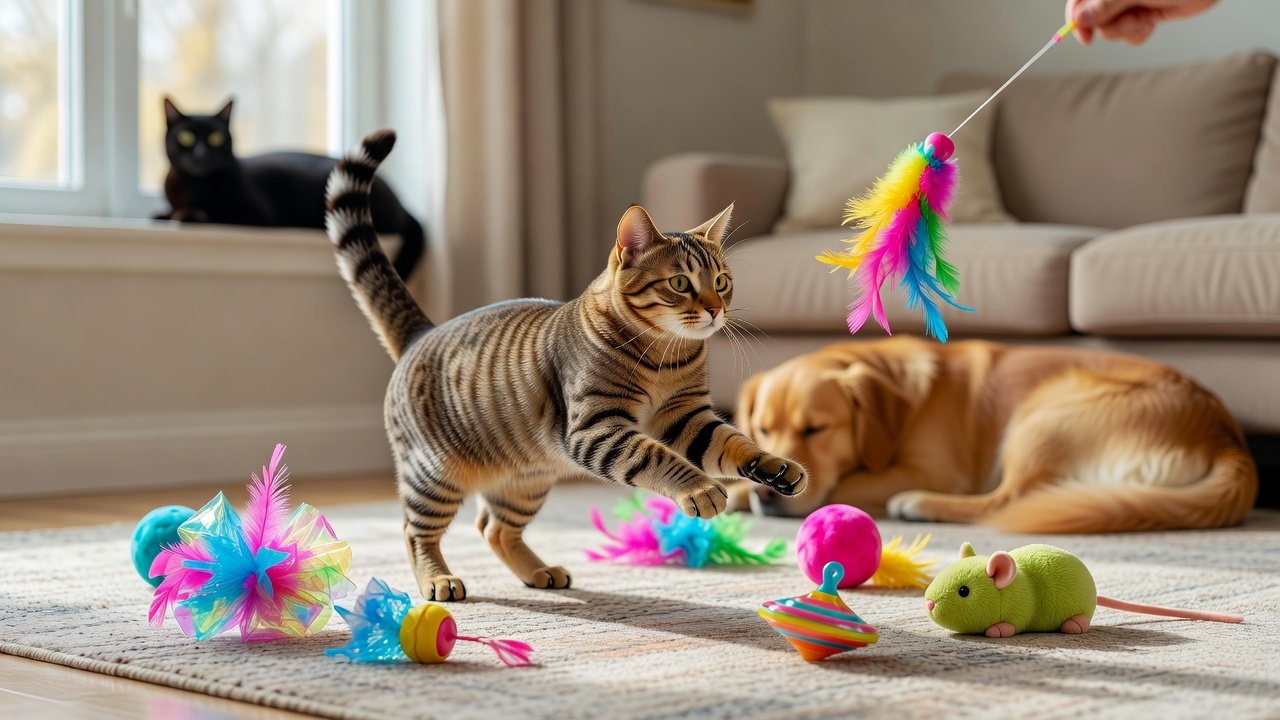
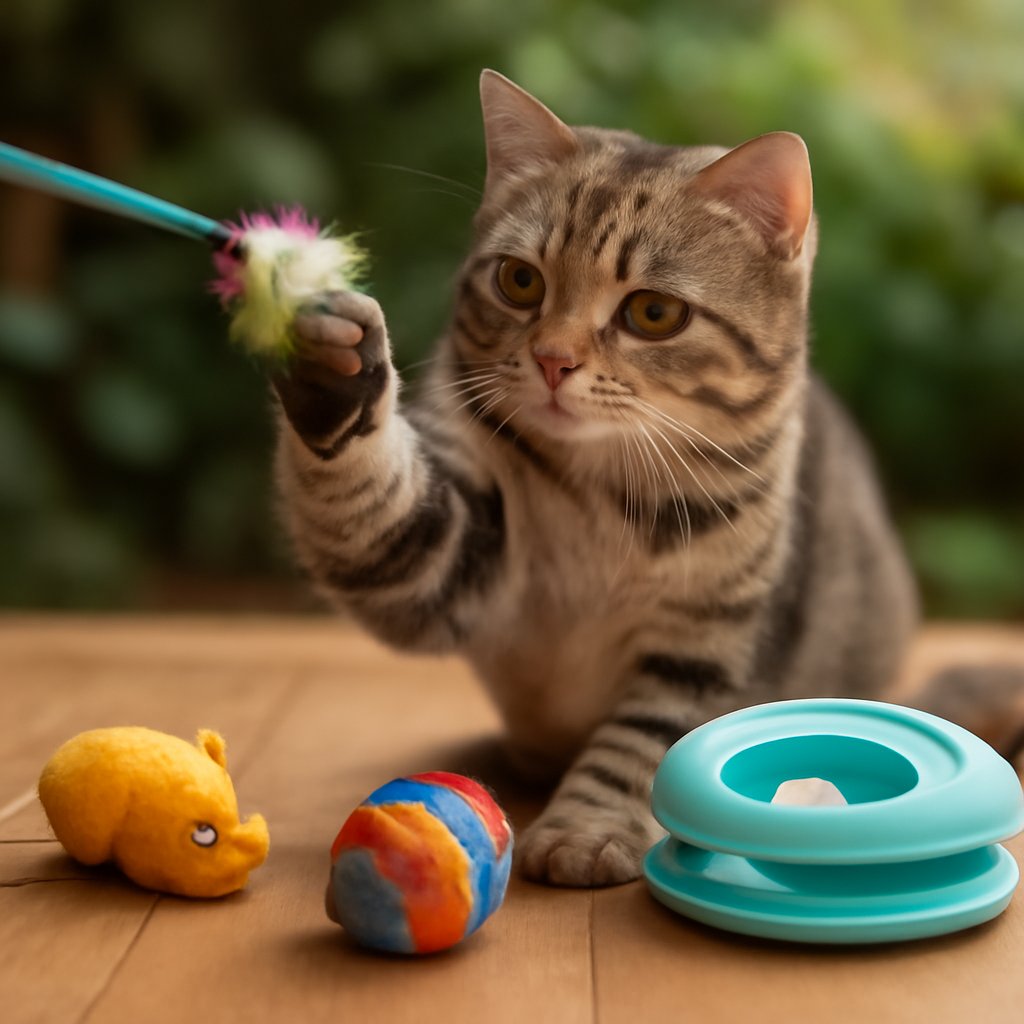
Wand toys and feather teasers rank among the most practical choices. Models with long, flexible rods and detachable feathers or ribbons let owners simulate prey movement across floors and furniture. Cats respond enthusiastically to unpredictable motions that mimic birds or insects. Look for durable options made from safe materials like reinforced nylon to withstand repeated pouncing. Rotating different attachments keeps sessions fresh and prevents habituation, a strategy I’ve applied successfully in behavior consultations.
When selecting wand toys, consider the length and flexibility of the rod. Longer wands ranging from 3 to 4 feet provide better reach and allow you to create more dynamic movement patterns that engage cats at various heights. The attachment should be securely fastened to prevent detachment during vigorous play. Many cats prefer lightweight attachments that flutter and move easily through the air, mimicking the natural flight patterns of birds or insects. For cats with particularly strong prey drive, double-ended wand toys featuring attachments on both ends allow for creative play variations and can accommodate multi-cat play sessions where two cats might chase simultaneously.
Laser pointers with safety features deliver high-energy chases that tire out even the most active cats quickly. The best options in this category include built-in timers or random patterns to avoid frustrating your pet when the light disappears. Always end laser sessions with a tangible toy or treat to provide closure and prevent fixation. These prove especially useful in apartments where space limits physical toys.
However, it’s important to understand the psychological impact of laser pointer play. While cats enjoy the chase, they never achieve the satisfaction of “catching” prey, which can potentially lead to frustration if laser play sessions are not concluded properly. To mitigate this concern, always transition from laser play to a physical toy that your cat can grasp and manipulate. This final catch provides the psychological closure that mimics successful hunting, creating a more natural play cycle. Additionally, limit laser pointer sessions to no more than 10 minutes at a time to prevent eye strain and overexertion, particularly in older cats or those with existing vision concerns.
Remote-controlled and battery-operated options, such as automated mice or rolling balls that change direction unpredictably, offer solo or assisted play. Many include catnip compartments or sound effects to heighten interest. For multi-cat households, these toys encourage group interaction while allowing owners to observe natural social dynamics. Choose rechargeable models to minimize waste and ensure consistent performance during training routines.
String-based toys and feather toys require careful supervision during play sessions. While many cats are naturally cautious about ingesting string, some individuals may have a tendency to eat non-food items, a condition known as pica. If your cat shows interest in consuming toy components, opt for sturdier alternatives and always store string-based toys out of reach after play sessions. Ingested string can cause serious intestinal blockages requiring emergency veterinary intervention, so prevention through proper toy management is essential.
Matching toys to your cat’s personality makes a measurable difference. Energetic breeds like Abyssinians thrive with fast-moving wands, while calmer Ragdolls prefer slower, ground-based options. Observe your cat’s preferences during initial trials and adjust accordingly. Incorporating elements from animal health guidelines, such as avoiding small parts that could be swallowed, ensures safety during extended play. Kittens often display different play preferences than adult cats, typically favoring faster-paced interactions and toys with more unpredictable movement patterns.
Age significantly influences toy selection and play duration. Young kittens develop coordination and hunting skills through play, benefiting from toys they can practice pouncing on repeatedly. Adult cats maintain peak athleticism and typically respond well to challenging, multi-sensory toys. Senior cats, particularly those over 10 years old, may prefer quieter, less strenuous interactions that don’t strain aging joints or tire them excessively. Adjust toy intensity and session length based on your cat’s life stage to prevent injury and ensure sustainable engagement.
Use interactive toys as positive reinforcement tools during basic training. Short, frequent sessions of 10-15 minutes twice daily yield better results than marathon playtimes. Rotate toys weekly to maintain novelty, a key strategy for sustaining long-term engagement across all life stages. Consistency in play scheduling helps establish routines that cats come to anticipate and enjoy, strengthening the bond between owner and pet while providing predictable exercise windows.
The tactile experience of toy materials significantly impacts a cat’s engagement level. Cats generally prefer toys with varied textures—soft feathers contrasting with smooth plastic or woven ribbons provide sensory stimulation that engages multiple senses simultaneously. Toys that incorporate crinkly materials or produce rustling sounds when manipulated tend to hold attention longer, particularly for cats with lower prey drive who require additional stimulation to maintain interest.
Indoor cats require at least 30 minutes of daily interactive play to prevent behavioral issues and support mental health. Studies show that cats engaging with wand toys regularly exhibit 40% fewer signs of stress compared to those with only passive toys. Obesity rates in cats have risen 50% in the past decade, largely due to insufficient physical activity from interactive play. Feather-based toys trigger hunting responses in over 85% of tested domestic cats across multiple breeds. Regular interactive sessions can extend a cat’s active lifespan by an average of 1-2 years through improved fitness.
Multi-cat households benefit significantly from carefully chosen interactive toys that encourage collaborative play rather than conflict. Toys with multiple attachment points or elongated designs allow multiple cats to engage simultaneously without direct competition. Observing how different cats interact during group play sessions provides valuable insights into social hierarchies and individual personality dynamics. Some cats prefer playing independently even when toys are available to multiple animals, and respecting these preferences while still providing adequate individual play opportunities helps maintain harmony in multi-cat environments.
Environmental enrichment extends beyond traditional toys into vertical space utilization and environmental complexity. Combining interactive toy play with climbing structures, window perches, and puzzle feeders creates a comprehensive enrichment strategy that addresses multiple aspects of feline welfare. Cats naturally utilize three-dimensional space during hunting and play, so toys that encourage vertical movement and allow cats to climb or leap while playing provide superior enrichment compared to ground-level-only play options.
Weather and seasonal changes can influence play patterns and toy preferences. During colder months or periods of reduced outdoor access, indoor cats often show increased interest in interactive play and benefit from more frequent sessions. Seasonal toy rotation—introducing different options throughout the year—maintains novelty and prevents boredom that can develop from repeated exposure to the same toys.
Selecting the best toys for interactive play with cats represents a straightforward investment in your pet’s happiness and longevity. By combining thoughtful toy choices with consistent routines, owners foster stronger connections while addressing essential physical and mental needs. Experiment with various options, monitor responses, and consult veterinarians for personalized recommendations tailored to specific health conditions or breeds. This proactive approach elevates everyday care into meaningful enrichment that benefits both cats and their families. Remember that individual preferences vary widely among cats, so patience and observation during the trial phase will ultimately guide you toward the most effective toys for your specific companion.
Sources
- ASPCA – Cat Toys and Play – Official ASPCA guide to selecting appropriate
Related Posts
- How to Choose Safe Toys for Cats
- Understanding the Behavior of Bengal Cats
- Preventive Care Tips for Keeping Cats Healthy
- Facts About the Playful Personality of Bengal Cats
- Why Sphynx Cats Need Special Skin Care Routines