
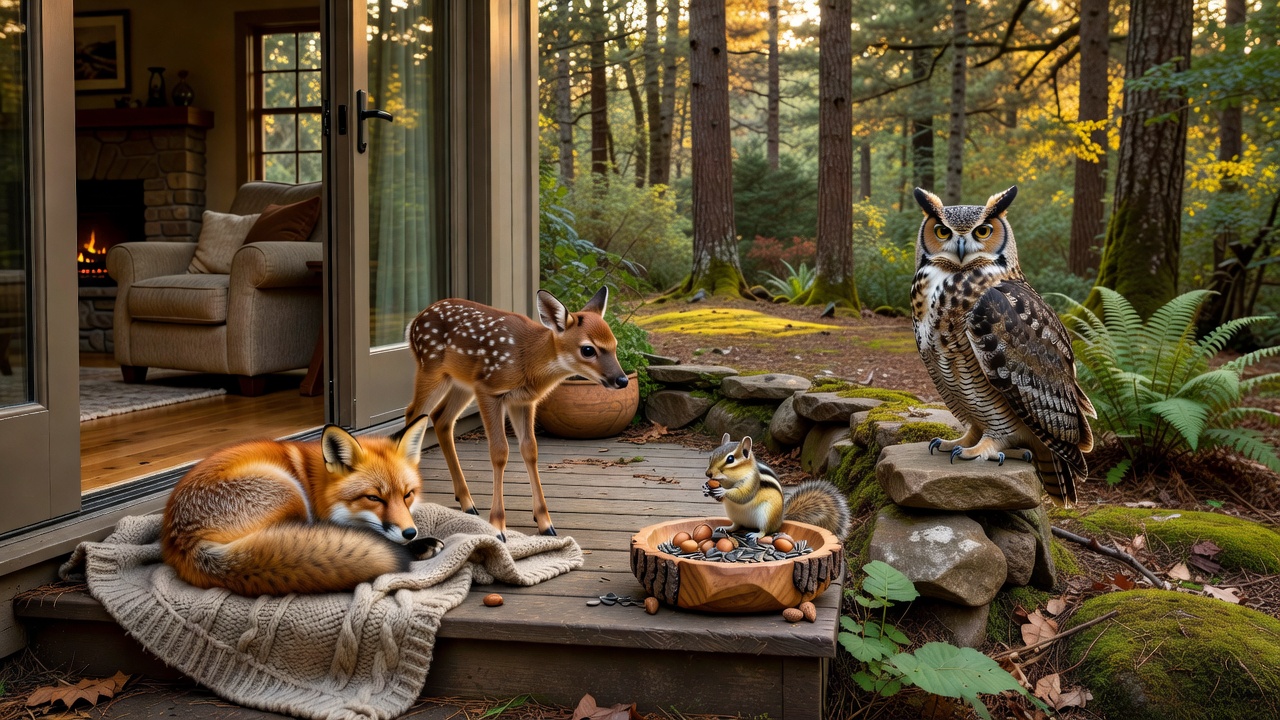
Forest Animals: Meet the Wild Creatures of the Woods
Step into any forest and you’re never really alone. Forest animals fill every layer of the woods, from the leaf-littered floor to the highest canopy, and each species has carved out its own clever way of surviving among the trees. Whether you’re a hiker, a backyard naturalist, or just someone who loves learning about wildlife, getting to know these creatures makes every walk in the woods feel a little more magical.
Forests cover roughly 31% of the planet’s land area, according to the Food and Agriculture Organization of the United Nations, and they support an enormous share of Earth’s land-based biodiversity. That means a staggering variety of animals — mammals, birds, reptiles, amphibians, and insects — all sharing the same patch of trees while somehow avoiding stepping on each other’s toes.
What Makes an Animal a “Forest Animal”?
Not every animal that wanders through a wooded area counts as a true forest dweller. Forest animals are species that depend on trees and woodland habitat for food, shelter, or breeding at some point in their life cycle. Some, like squirrels and woodpeckers, spend nearly their entire lives among the branches. Others, like deer and foxes, use the forest as cover but roam into meadows and fields to forage.
This dependence on woodland habitat is exactly why deforestation hits so many species so hard. The World Wildlife Fund notes that habitat loss from logging and land conversion is one of the leading threats to forest wildlife worldwide, pushing animals into smaller, more fragmented patches of trees.
Layers of the Forest, Layers of Life
Forests aren’t just flat expanses of trees — they’re vertical worlds with distinct zones, and different animals claim different layers:
- Forest floor: Home to beetles, salamanders, mice, and foraging animals like wild boar
- Understory: Shrubs and young trees shelter rabbits, deer, and ground-nesting birds
- Canopy: The treetop layer where squirrels, owls, and songbirds thrive
- Emergent layer: Tall trees poking above the canopy, often used by eagles and hawks for hunting perches
Common Forest Animals Around the World
Depending on where you live, “forest animals” can mean something completely different. Here’s a look at some familiar faces from different woodland ecosystems.
Mammals of the Woods
- White-tailed deer – Graceful browsers found throughout North American forests, easily recognized by the flash of white fur under their tails when startled
- Red foxes – Adaptable hunters that thrive at forest edges, often seen at dawn or dusk stalking small rodents
- Black bears – Omnivorous giants that rely on forests for berries, nuts, and dense cover during hibernation
- Eastern gray squirrels – Tireless acorn hoarders that play a surprising role in tree regeneration by burying more seeds than they eat
- European badgers – Nocturnal diggers that build elaborate underground burrow systems called setts
Birds That Call the Forest Home
- Owls – Silent nighttime hunters with incredible low-light vision, including species like the great horned owl and tawny owl
- Woodpeckers – Drum on trees to find insects and carve out nesting cavities that other species later reuse
- Blue jays – Loud, intelligent birds that help spread oak trees by burying acorns across the forest floor
Amphibians and Reptiles
Damp forest floors and fallen logs make perfect habitat for cold-blooded creatures that need moisture and cover:
- Wood frogs, which can survive partially frozen through winter
- Spotted salamanders, often found under logs and leaf litter
- Garter snakes, harmless and common in temperate woodlands
Forest Animals and Their Survival Tricks
Living in a forest means constantly dodging predators, finding food in patchy light, and surviving seasonal extremes. Forest animals have evolved some genuinely impressive strategies to handle it all.
Camouflage and Stillness
Deer fawns are born with spotted coats that mimic dappled sunlight filtering through leaves, making them nearly invisible when they lie still. Moths and insects often match tree bark so closely that they seem to disappear the moment they land.
Vertical Living
Squirrels, tree frogs, and certain snakes have adapted for life above the ground, using sharp claws, sticky toe pads, or muscular bodies to move confidently through branches most predators can’t reach.
Seasonal Strategies
Many forest mammals deal with harsh winters through hibernation or torpor, while migratory birds simply leave for warmer regions. Animals like chipmunks take a middle path, stockpiling food and slowing their metabolism without going into full hibernation.
Why Forest Animals Matter
Forest wildlife isn’t just charming to watch — these animals actively shape the health of the ecosystem. Seed-dispersing mammals and birds help forests regenerate after storms or fires. Predators like owls and foxes keep rodent populations in check, which in turn protects tree seedlings from being devoured. Even decomposers like beetles and fungi-loving insects speed up nutrient cycling that feeds new plant growth.
According to the International Union for Conservation of Nature, healthy forest ecosystems depend on this web of interactions, and losing even one key species can ripple through the entire habitat.
How You Can Help Forest Wildlife
- Support certified sustainable wood and paper products
- Avoid disturbing nests, burrows, or den sites while hiking
- Plant native trees and shrubs in your own yard to extend habitat
- Support local land trusts or conservation groups working to protect woodlands
Next time you’re walking under a canopy of trees, take a moment to notice the rustle in the underbrush or the tap of a woodpecker overhead. Forest animals are everywhere once you know how to look, and every one of them plays a part in keeping the woods alive and thriving.