
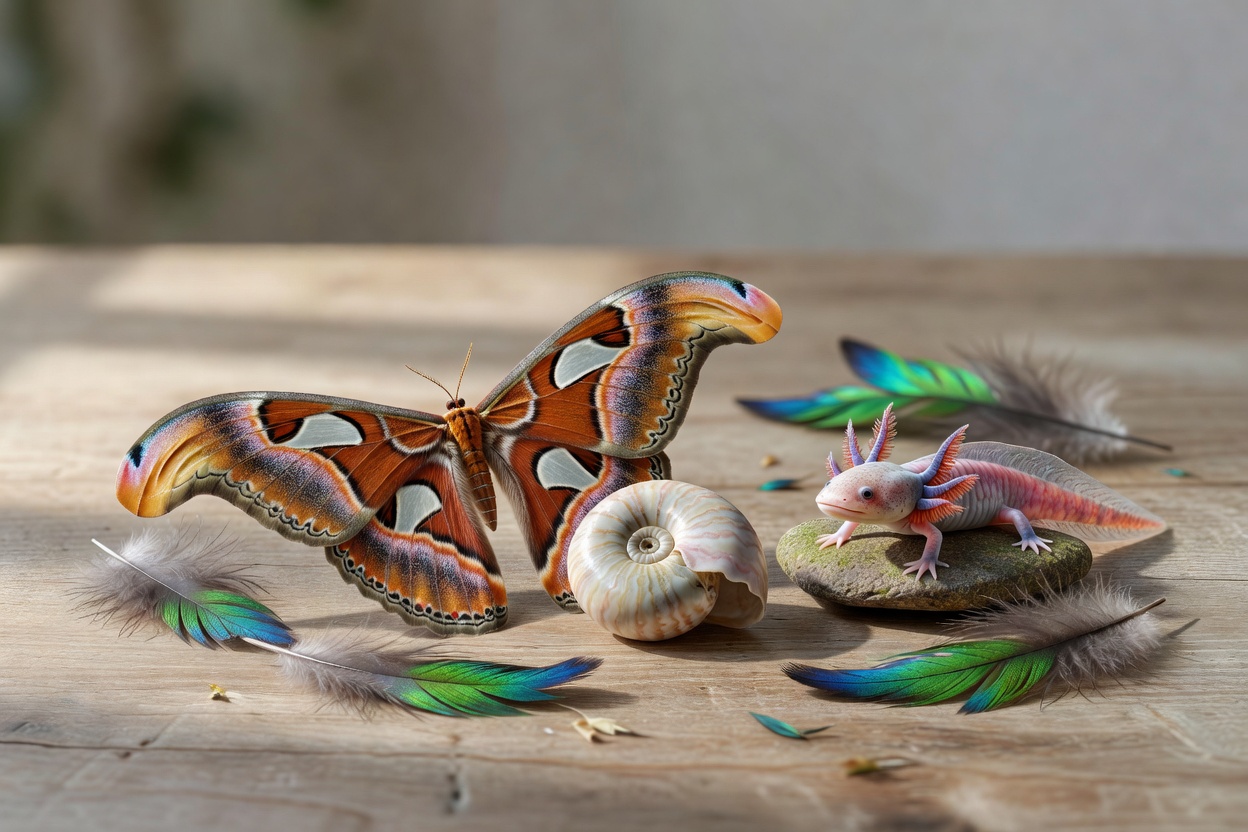
Unique Animals: Nature’s Strangest, Most Fascinating Species
Some creatures seem like they were designed by a committee that couldn’t agree on anything. A mammal that lays eggs? A fish that walks? Nature has been experimenting for billions of years, and the result is a planet packed with unique animals that make you question everything you thought you knew about biology. From the ocean floor to the treetops of Madagascar, these oddballs are proof that evolution has a real sense of humor.
Whether you’re a lifelong animal lover or just here for the weird facts, this rundown of the world’s strangest and most fascinating species will leave you wanting to book a trip to the nearest zoo.
Why Unique Animals Matter More Than Just Being Weird
It’s easy to treat unusual animals as internet curiosities, but there’s real substance behind the strangeness. Many of these species fill ecological roles that nothing else can replicate, and their unusual traits often hold clues for medicine, engineering, and conservation science. The International Union for Conservation of Nature (IUCN) tracks thousands of species precisely because losing even one odd-shaped, oddly-behaved animal can ripple through an entire ecosystem.
Unique animals also do something less measurable but just as important: they spark curiosity. Kids who fall in love with axolotls or narwhals often grow into adults who care about protecting wetlands and oceans. Strange looks get people’s attention. Conservation keeps it.
Bizarre Mammals That Break the Rules
The Platypus
Australia’s platypus is basically nature’s inside joke. It lays eggs like a reptile, nurses its young like a mammal, has a duck-like bill packed with electroreceptors, and the males carry venomous spurs on their hind legs. When European scientists first saw a preserved specimen in the 1700s, several assumed it was a hoax stitched together by a taxidermist with too much free time.
The Aye-Aye
This nocturnal lemur from Madagascar has a skeletal middle finger it uses like a built-in fork, tapping on tree bark to find grubs and then hooking them out. Its enormous eyes and bat-like ears make it look almost otherworldly, and local folklore once cast it as a bad omen — an unfair reputation for an animal just trying to eat breakfast.
The Pangolin
Covered head to tail in overlapping keratin scales, the pangolin is the only mammal on Earth with this kind of armor. Unfortunately, that same armor has made it the most trafficked mammal in the world, according to the World Wildlife Fund. When threatened, it simply rolls into a tight ball, which works great against predators but sadly not against poachers.
Ocean Dwellers That Look Like Science Fiction
The Mantis Shrimp
Don’t let the name fool you — this isn’t a shrimp, and it’s far from harmless. Mantis shrimp punch with the speed and force of a bullet, fast enough to boil the water around their claws momentarily. They also see the world through eyes with up to sixteen color receptors, compared to our modest three, giving them a sense of vision scientists still struggle to fully understand.
The Blobfish
Famous for winning “world’s ugliest animal” polls, the blobfish only looks gelatinous and sad because it’s been hauled up from crushing deep-sea pressure. In its natural habitat thousands of feet below the surface, its gel-like body helps it float just above the seafloor without expending much energy, a perfectly sensible adaptation that just doesn’t photograph well.
The Leafy Sea Dragon
A relative of the seahorse, this Australian native is covered in leaf-shaped appendages that make it nearly invisible among floating kelp. It doesn’t swim so much as drift, relying entirely on camouflage rather than speed to avoid predators.
Feathered and Scaled Oddities
The Shoebill Stork
Standing nearly five feet tall with a massive, boot-shaped bill, the shoebill has a stare so intense it’s become something of an internet legend. It hunts by standing motionless for hours before striking with startling speed, snapping up lungfish, baby crocodiles, and anything else unlucky enough to swim past.
The Axolotl
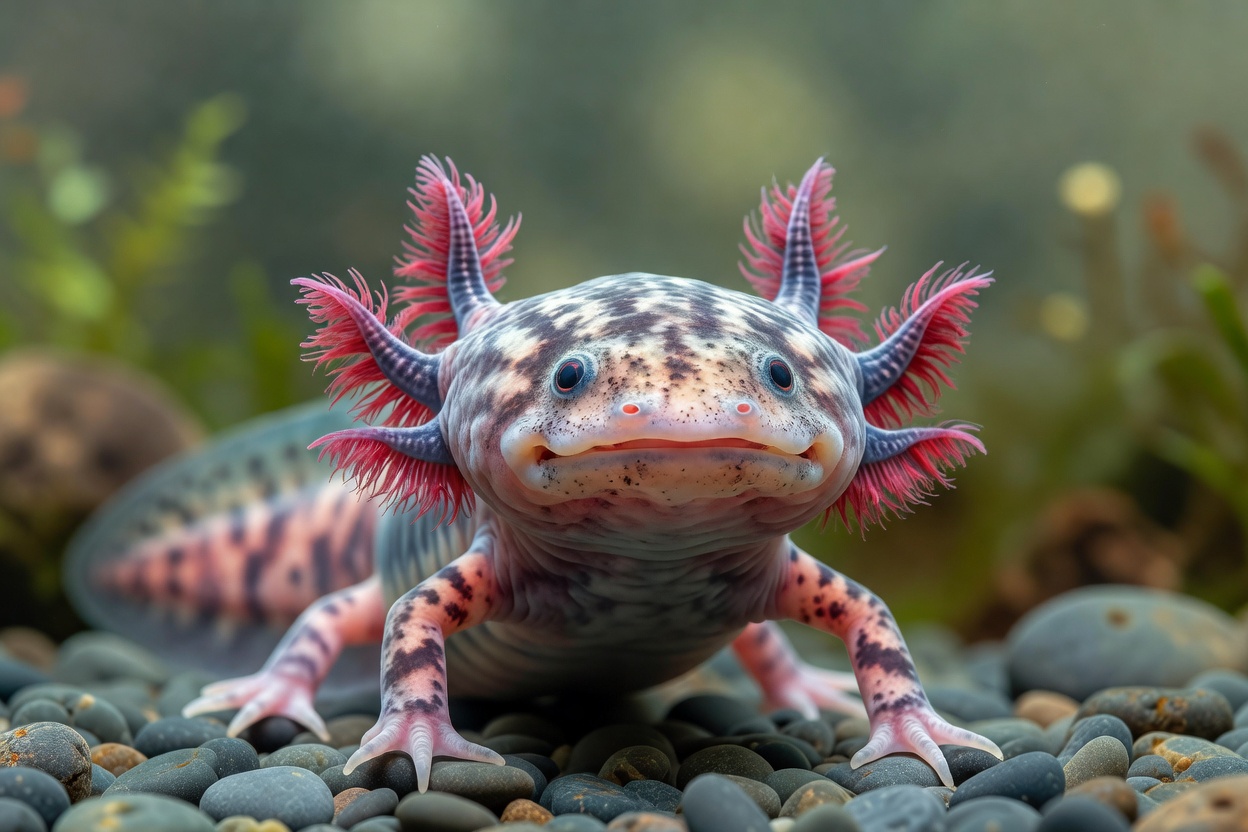
This Mexican salamander never grows out of its juvenile, gilled form, a trait called neoteny, and it can regrow entire limbs, parts of its spinal cord, and even sections of its brain. Researchers at institutions worldwide study axolotls hoping to unlock secrets about human tissue regeneration, as noted by the National Geographic Society. Sadly, wild populations are critically endangered due to habitat loss around Mexico City.
The Tarsier
With eyeballs larger than its brain and a head that rotates nearly 180 degrees, the tarsier looks like it was drawn by someone who’d only heard primates described secondhand. Found across Southeast Asia, this tiny nocturnal hunter can leap distances many times its own body length.
How to Support Conservation of Unique Animals
- Support accredited zoos and sanctuaries that fund field conservation programs
- Choose ethical wildlife tourism operators that prioritize animal welfare over photo opportunities
- Avoid purchasing products made from exotic animal parts, including pangolin scales and turtle shells
- Donate to or volunteer with organizations like the Wildlife Conservation Society
- Share accurate information rather than viral myths that misrepresent unusual species
The animal kingdom rewards curiosity. Every strange bill, extra finger, or impossible eye is the product of millions of years solving a problem we may not even understand yet. Protecting these unique animals means protecting the puzzle pieces that make our planet worth exploring in the first place.