

Fun Facts About Animals That Will Amaze You
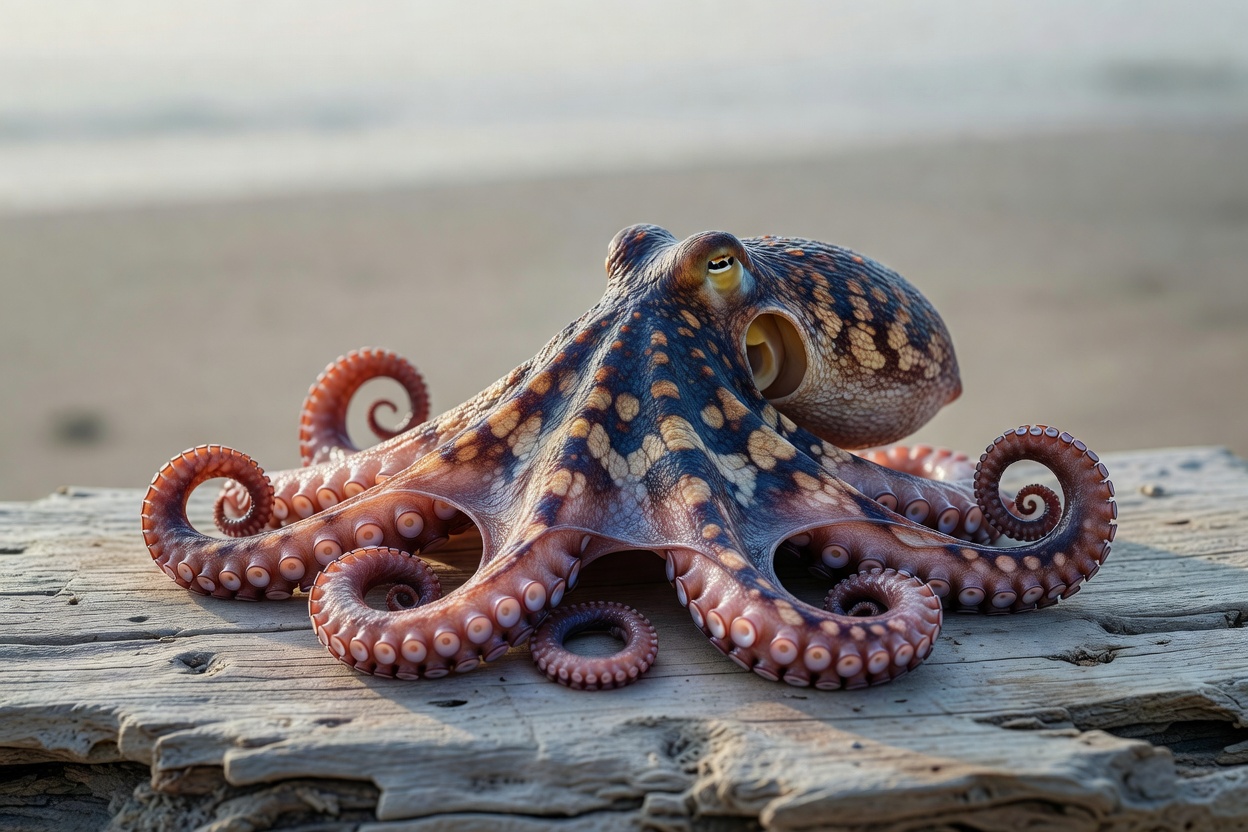
If you’ve ever wondered why your cat kneads your lap or how an octopus can taste with its skin, you’re already halfway to becoming an animal fact junkie. These fun facts about animals aren’t just trivia to impress your friends at dinner parties — they’re windows into how wildly creative evolution can be. From backyard critters to deep-sea oddities, the animal kingdom is packed with surprises that make you look at your pets and the natural world a little differently.
Grab a cup of coffee and settle in, because once you start learning weird animal facts, it’s hard to stop.
Fun Facts About Animals in Your Own Backyard
You don’t need a safari to find astonishing biology. Some of the most common animals around us hide the strangest secrets.
Dogs and Cats Have Hidden Superpowers
- A dog’s sense of smell is estimated to be up to 100,000 times more sensitive than a human’s, according to the American Kennel Club. That’s why dogs can be trained to detect cancer, low blood sugar, and even seizures before they happen.
- Cats spend around 70% of their lives asleep, which means a 9-year-old house cat has technically only been “awake” for about three years.
- A cat’s purr vibrates at a frequency between 25 and 150 Hertz — a range that has been shown to promote tissue healing and bone density, which may explain why cats purr even when injured.
Birds Are Smarter Than You Think
- Crows can recognize human faces and hold grudges for years against people who’ve wronged them.
- Pigeons can pass the mirror test, recognizing themselves in reflections — a cognitive skill shared with humans, dolphins, and great apes.
- Owls can’t move their eyeballs at all. Instead, they rotate their necks up to 270 degrees to compensate.
Wild and Weird Facts From the Animal Kingdom
Once you step outside the neighborhood, animal biology gets even stranger. These fun facts about animals prove nature has a sense of humor.
Ocean Creatures That Defy Logic
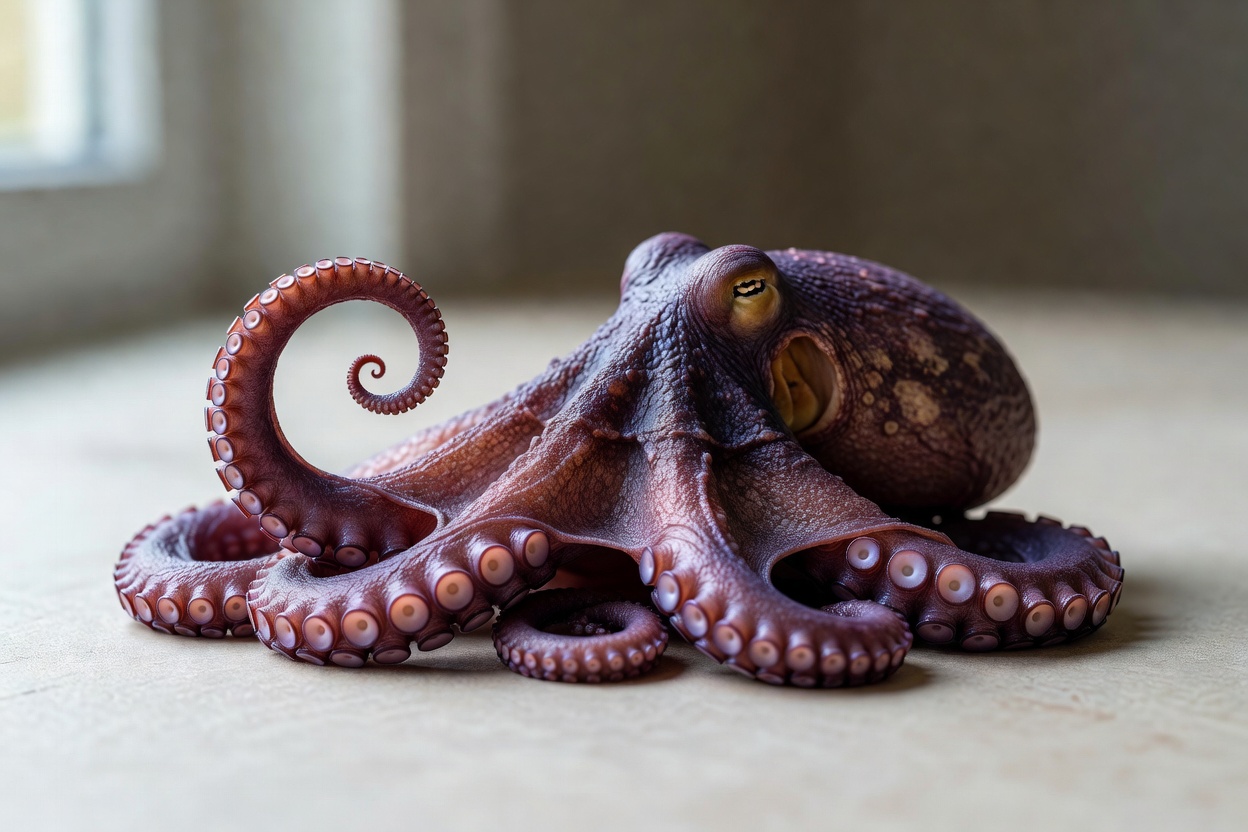
- Octopuses have three hearts and blue blood. Two hearts pump blood to the gills, while the third pumps it to the rest of the body, per the Smithsonian Ocean initiative.
- A shrimp’s heart is located in its head.
- Sea otters hold hands while sleeping so they don’t drift apart on ocean currents. Some even wrap themselves in kelp for extra stability.
- Starfish don’t have brains or blood — they use seawater to pump nutrients through their bodies.
Mammals With Surprising Traits
- Elephants are one of the only animals besides humans, magpies, and great apes known to mourn their dead, often returning to visit the bones of deceased herd members.
- A group of flamingos is called a “flamboyance,” which feels perfectly on brand.
- Giraffes only need about 30 minutes to two hours of sleep per day, often taken in short naps while standing.
- Wombat poop is cube-shaped, which helps it stay stacked on rocks and logs as a scent marker without rolling away, according to research highlighted by National Geographic.
Tiny Creatures, Huge Surprises
Small animals often carry the biggest surprises. Insects and other tiny critters are responsible for some of the most jaw-dropping facts in biology.
Insects Punch Above Their Weight
- Honeybees communicate the location of food through a “waggle dance,” essentially giving other bees GPS coordinates using body movement.
- A single ant colony can contain millions of individuals working as one coordinated “superorganism.”
- Some species of frogs can freeze solid during winter, with their hearts stopping completely, then thaw out and hop away in spring, as documented by the U.S. Forest Service.
Reptiles and Amphibians Break the Rules
- Some lizards, like certain geckos, can detach their tails to escape predators and regrow a new one within weeks.
- Alligators can go months without eating, slowing their metabolism to conserve energy during colder seasons.
- Axolotls can regenerate not just limbs, but portions of their heart, spinal cord, and even parts of their brain.
Why Learning Fun Facts About Animals Matters
Beyond the “wow” factor, these facts build real appreciation for the creatures we share the planet with. Understanding that octopuses feel pain through their skin, or that elephants grieve, shifts how we treat animals — in our homes and in the wild. Curiosity is often the first step toward conservation and compassion.
Sharing weird animal trivia with kids is also a sneaky way to build early interest in biology and environmental science. A fact as simple as “shrimp hearts are in their heads” can spark a lifelong fascination with how living things work.
A Few Bonus Facts to Remember
- A rat can laugh — literally — when tickled, producing ultrasonic chirps detectable only with special equipment.
- Snails can sleep for up to three years at a time during periods of extreme heat or drought.
- Butterflies taste through receptors on their feet rather than a mouth.
Every corner of the animal kingdom, from your living room couch to the ocean floor, holds a detail strange enough to make you pause. That’s the fun of it — there’s always another fact waiting to surprise you, whether it comes from your own pet or a creature you’ll never actually see in person.