
How to Create a Balanced Diet for Indoor Cats
“`html
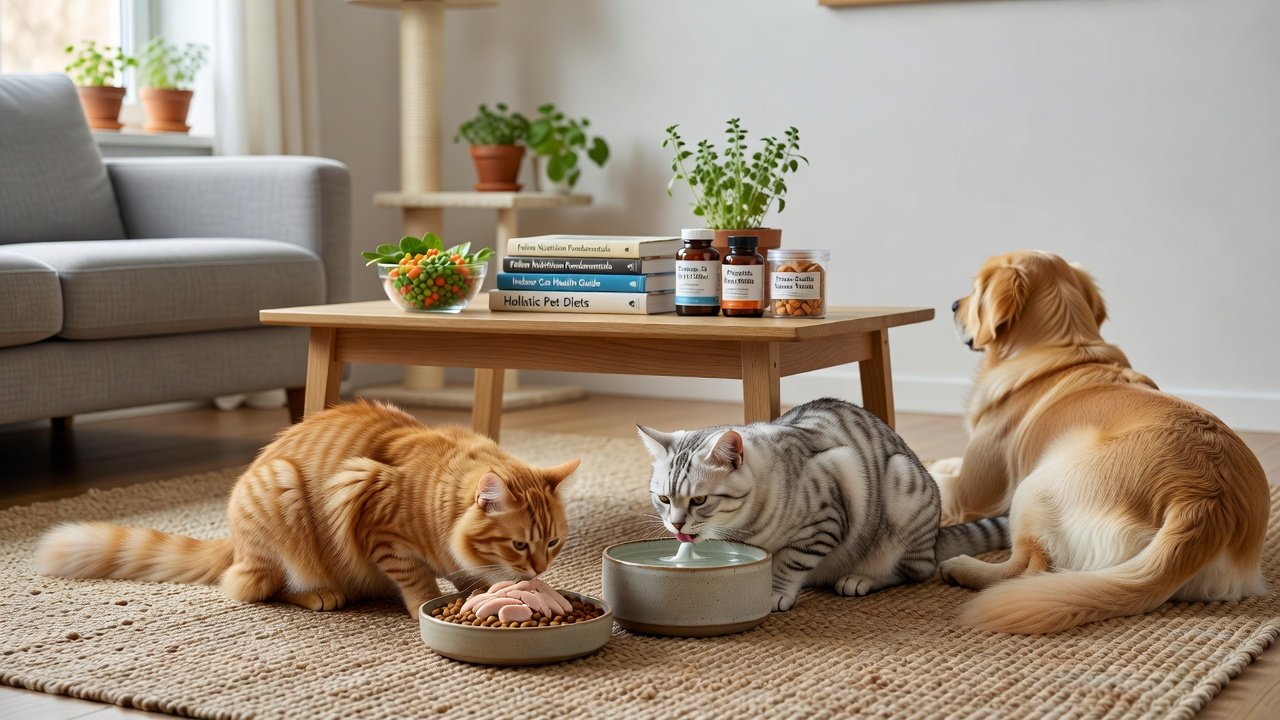
When it comes to crafting a balanced diet for indoor cats, their typically sedentary lifestyles call for precise attention to caloric density and nutrient profiles to ward off obesity-related complications like joint strain and metabolic issues. From a clinical standpoint, what owners miss here is how even modest overfeeding compounds quickly in cats that rarely hunt or roam.
In my years as a vet tech, I’ve seen this situation countless times—indoor cats presenting with excess weight because portions weren’t calibrated to their lower energy expenditure. Most adults need roughly 200 to 300 calories daily, adjusted for age, breed tendencies such as the calmer Ragdoll versus the more active Siamese, and measured via accurate scoops or scales rather than free choice.
Protein anchors any sound regimen, drawing from named animal sources like chicken or turkey to supply essential amino acids. Taurine stands out as non-negotiable for cardiac and ocular health, while controlled fats deliver energy and fiber aids satiety plus digestion. Complete commercial indoor formulas already layer in vitamins A, D, and E for immunity and coat integrity, which aligns with what we see in bloodwork panels during wellness exams.
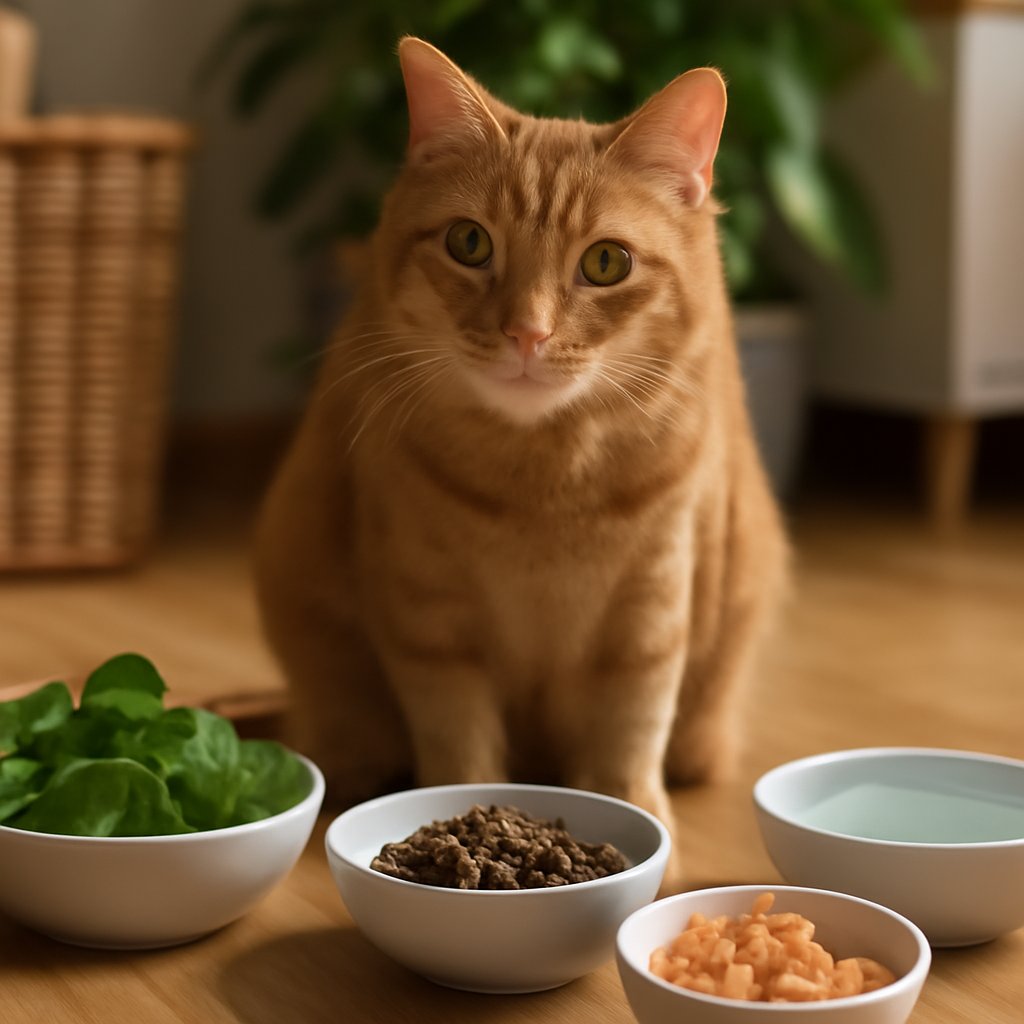
Wet foods generally edge out dry for urinary tract support thanks to higher moisture that dilutes urine and cuts crystal risk, though kibble offers some mechanical teeth cleaning. Many households split the difference—wet meals at set times with precisely portioned dry kibble for enrichment—always choosing weight-management labels. Label scrutiny matters: prioritize real meats over byproducts or grains, skip artificial additives, and transition any new food across seven to ten days to avoid GI upset. Breed-specific options, such as added glucosamine for larger frames like Maine Coons, can address joint needs proactively.
Dividing intake into two or three meals mirrors natural patterns and stabilizes energy far better than free-feeding. Puzzle toys or timed feeders add mental engagement and slow intake. Weekly weigh-ins on a pet scale catch gains early; even a few ounces monthly signals the need for adjustment. Pre-meal play sessions further boost expenditure while reinforcing the human-cat bond.
Treats must stay under 10 percent of total calories—freeze-dried proteins or dental varieties work well, never table scraps containing toxins like onions. Omega-3 supplements can improve coat quality and curb inflammation, but these warrant veterinary oversight first. Constant fresh water access, preferably via fountain, supports kidney function and overall hydration.
Routine exams with body condition scoring and lab work catch diet-linked problems such as diabetes or blockages before they escalate. As cats age or develop sensitivities, prescription adjustments become necessary, and active breeds like Abyssinians may tolerate slightly higher protein. The data bears this out: roughly 60 percent of U.S. indoor cats trend overweight from portion errors, indoor needs run 20–30 percent lower in calories than outdoor counterparts, high-moisture feeding can halve lower urinary tract disease incidence, protein should comprise at least 30 percent of calories, and consistent monitoring adds two to three years of healthy lifespan on average.
Understanding your cat’s individual metabolic rate is crucial because genetics, age, and even personality influence how efficiently they process food. A laid-back tabby lounging on a windowsill will have vastly different caloric requirements than a high-strung Bengal that constantly races through the house. Using body condition scoring—a technique veterinarians employ during exams—helps you visually assess whether your cat is at an ideal weight. You should be able to feel the ribs easily without pressing hard, observe a visible waist when viewed from above, and see an abdominal tuck from the side. If your cat shows no discernible waist or you cannot feel individual ribs, weight reduction is warranted.
Age significantly impacts dietary needs as well. Kittens require nearly twice the calories of adult cats and need formulas specifically balanced for growth, with higher levels of certain minerals like calcium and phosphorus. Senior cats over age 10 often benefit from lower-calorie senior formulas that may include joint-support ingredients and easier-to-digest proteins, since their metabolism slows and their ability to absorb certain nutrients can decline. Some seniors actually need slightly higher protein percentages to prevent muscle wasting, which paradoxically occurs alongside weight gain when diet composition isn’t optimized.
The choice between dry and wet food deserves deeper exploration. While wet food’s moisture content does support hydration and urinary health, premium dry kibbles formulated for indoor cats can be equally nutritious when selected carefully. Grain-free options have gained popularity, though recent research suggests they’re unnecessary for most cats unless specific allergies exist—in fact, some grain-free formulas rely on higher legume content, which may affect taurine bioavailability. Reading the guaranteed analysis on labels reveals actual percentages of protein, fat, fiber, and moisture, allowing you to compare products objectively rather than relying on marketing claims.
Interactive feeding strategies transform mealtime from a mundane routine into enrichment. Slow-feeder bowls with built-in obstacles force cats to work around protrusions, mimicking the hunting experience and extending meal duration. Puzzle feeders dispense kibble gradually as your cat manipulates them, providing mental stimulation while naturally reducing intake speed. Some owners use food-dispensing toys that require problem-solving, transforming a simple meal into an engaging activity that burns additional calories. This approach proves especially valuable for indoor cats lacking natural hunting opportunities.
Monitoring hydration deserves equal weight with calorie tracking, particularly since indoor cats tend to drink less than their outdoor counterparts. Cats evolved in arid environments and lack a strong thirst drive, relying historically on moisture from prey. Wet food consumption naturally increases fluid intake, and water fountains capitalize on cats’ preference for moving water—the trickling motion triggers their instinct to drink from streams. Some cats respond better to multiple water sources positioned throughout the home, away from food bowls, since cats naturally prefer drinking away from where they eat.
Seasonal adjustments may surprise some owners, but indoor cats actually need slightly fewer calories during winter months when they tend toward lower activity levels. Conversely, spring and summer sometimes bring increased playfulness, justifying modest caloric increases. Environmental enrichment through window perches, climbing trees, and interactive toys helps maintain consistent activity year-round rather than allowing dramatic seasonal fluctuations.
When introducing new foods, patience prevents digestive distress. A seven-to-ten-day transition mixing increasing percentages of new food with the previous diet allows beneficial gut bacteria to adjust. Some sensitive cats may need an even slower transition over two weeks. Signs of successful transitions include consistent stool quality, maintained appetite, and no vomiting or diarrhea. If issues arise during transition, slow the process further or consult your veterinarian about alternative formulas.
Food allergies and sensitivities affect some indoor cats more prevalently than outdoor ones, possibly due to their relatively static diet and controlled environment lacking natural immune-system challenges. Common culprits include beef, dairy, and certain grains, though protein sources typically cause fewer issues than historically believed. Prescription elimination diets under veterinary guidance help identify triggers by feeding a novel protein source your cat hasn’t consumed before, then systematically reintroducing ingredients to pinpoint problems.
The financial aspect of premium nutrition shouldn’t be overlooked—investing in higher-quality diets with superior ingredient sourcing and digestibility often reduces overall veterinary costs by preventing obesity-related diseases, urinary issues, and metabolic conditions. Bulk purchasing, subscription services, and store loyalty programs can make premium foods more affordable for budget-conscious pet parents.
Consistent veterinary input keeps the plan responsive to each cat’s evolving profile, yielding steady vitality without excess weight.
Sources
- ASPCA – Nutrition Tips for Your Cat
- AKC – Nutrition and Diet Guide
- VCA Animal Hospitals – Nutrition for Cats
- How to Prevent Obesity in Indoor Cats
- Understanding the Behavior of Bengal Cats
- Preventive Care Tips for Keeping Cats Healthy
- Facts About the Playful Personality of Bengal Cats
- Why Sphynx Cats Need Special Skin Care Routines
- How to Create a Pet Friendly Garden