
How to Safely Exercise Dogs in Heat
Exercising your dog safely during hot weather is essential for maintaining their health and preventing heat-related illnesses. Many owners wonder how to safely exercise dogs in heat without risking dehydration or heatstroke, especially when temperatures rise above 80°F. Understanding your dog’s needs, choosing the right times, and monitoring for warning signs can make outdoor activity enjoyable and safe year-round. This guide covers practical strategies for dog exercise in hot weather, including breed considerations and hydration techniques that every pet owner should know.
From a clinical standpoint, what owners miss here is how dogs regulate body temperature primarily through panting, which becomes less effective in high humidity and extreme heat. When owners attempt to exercise dogs in heat without precautions, core temperatures can rise rapidly, leading to heat exhaustion or life-threatening heatstroke. Brachycephalic breeds such as Bulldogs, Pugs, and French Bulldogs face higher risks due to their shortened airways, while older dogs and those with heart conditions require extra vigilance. In my years as a vet tech, I’ve seen this situation countless times—early recognition of symptoms like excessive drooling, lethargy, and bright red gums allows quick intervention and prevents serious complications.
Watch for rapid breathing, stumbling, or vomiting during walks. These indicators signal that your dog is struggling with the heat. Stopping activity immediately and moving to shade can prevent escalation. Always carry water and know the location of nearby veterinary clinics when planning outdoor sessions in warm climates.
Hot asphalt can burn paw pads even when air temperature feels moderate. Test surfaces with your hand for five seconds; if too hot for you, it is unsafe for your dog. Opt for grassy trails or shaded paths to protect sensitive paws while still providing beneficial exercise. From a training methodology perspective, I’ve found that incorporating short pauses on cooler surfaces during sessions helps condition dogs to self-regulate their pace over time.
Planning workouts around cooler parts of the day dramatically reduces risks when exercising dogs in heat. Early morning or late evening sessions, ideally before 8 a.m. or after 7 p.m., keep temperatures lower and humidity more manageable. Short, frequent activity bursts of 15 to 20 minutes outperform long continuous walks. Incorporating mental stimulation games indoors during peak heat hours maintains fitness without physical strain. In my experience handling post-op recoveries, this approach aligns well with rehabilitation protocols that emphasize controlled exertion.
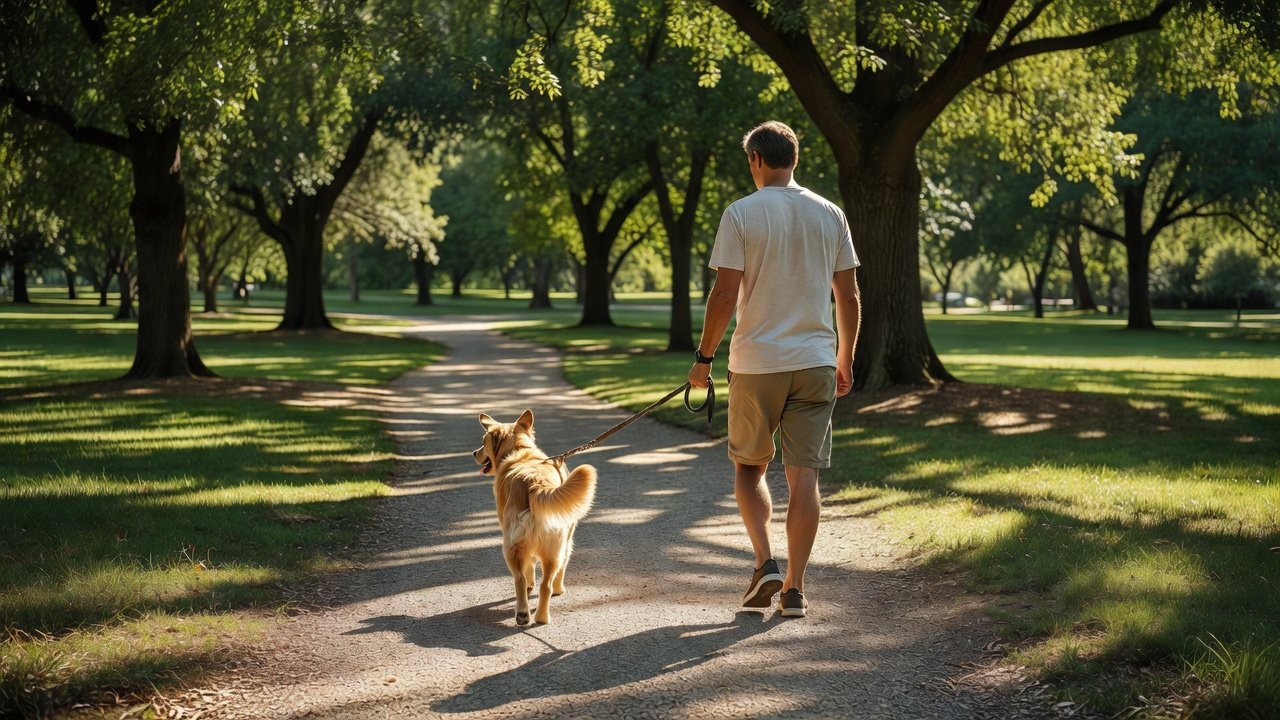
Seek parks with ample shade, wooded trails, or dog-friendly beaches where water access allows cooling dips. Avoid open fields without cover during midday. Portable pop-up tents or cooling mats carried in a backpack offer instant relief spots on any outing.
Swimming provides excellent cardiovascular exercise while keeping body temperature down. Fetch games in shallow water or gentle tug-of-war sessions work well for high-energy breeds. For senior dogs, slow leash walks combined with scent work keep minds engaged without overheating—drawing from my training background, scent work adds cognitive load that tires them safely without elevating heart rates excessively.
Constant access to fresh water remains the cornerstone of safely exercising dogs in heat. Offer small amounts every 10 minutes during activity rather than large quantities at once. Electrolyte supplements formulated for dogs can help replace minerals lost through panting, but plain water suffices for most moderate sessions. Collapsible bowls and portable water bottles make hydration convenient on trails.
Evaporative cooling vests and bandanas soaked in cold water lower body temperature quickly. Never use ice packs directly on skin; instead, apply cool cloths to the groin and armpit areas where blood vessels are close to the surface. After exercise, allow gradual cooling rather than sudden temperature changes. I’ve seen too many cases where owners rush this step and end up with rebound issues.
Provide a quiet, air-conditioned space for recovery following any outdoor activity. Monitor breathing and gum color for 30 minutes after returning home. If panting persists longer than normal or your dog seems disoriented, contact a veterinarian immediately.
Northern breeds like Huskies and Malamutes possess thick coats that make heat tolerance lower than expected despite their origins. Short-nosed dogs need drastically reduced intensity, while lean sighthounds such as Greyhounds overheat quickly due to low body fat. Always tailor duration and intensity to individual fitness levels rather than following generic breed guidelines alone. Clinically, this individualization mirrors what we do in vet med when assessing patients case by case.
Heatstroke can occur in dogs within 15 minutes when temperatures exceed 85°F with high humidity. Brachycephalic breeds are up to six times more likely to suffer heat-related emergencies than other dogs. Over 70 percent of heatstroke cases in dogs happen during outdoor exercise in summer months. Paw pad burns from hot pavement affect thousands of dogs annually, with recovery taking weeks. Providing water every 10 minutes reduces heatstroke risk by more than 50 percent during moderate activity. Early morning exercise lowers core body temperature rise by up to 40 percent compared to midday outings.
Mastering how to safely exercise dogs in heat protects your companion from serious health threats while preserving their physical and mental well-being. By timing activities wisely, monitoring closely, and respecting breed limitations, owners can enjoy active lifestyles together regardless of the season. Consistent application of these pet care principles builds a stronger bond and promotes long-term canine health. Always prioritize safety over intensity when temperatures climb.