
Preventing Parasites in Multi-Pet Households Naturally
“`html

When you bring home a rescue pet—whether it’s a bouncy Labrador or a gentle Ragdoll cat—you’re not just gaining a companion, you’re stepping into the beautiful, sometimes messy world of multi-pet living. My three rescue cats have taught me that shared spaces mean shared responsibilities, especially when it comes to keeping everyone parasite-free without reaching for harsh chemicals. What every pet owner who’s adopted knows is that these bonds run deep, and protecting our furry family members naturally feels like an extension of the love that brought them home in the first place.
In households where dogs and cats interact daily, fleas, ticks, and intestinal worms like roundworms and tapeworms spread quickly through litter boxes, shared bowls, and playtime. Recognizing those risks early makes all the difference. Fleas, for instance, can trigger intense itching and even pass tapeworms along, which hits long-haired breeds like Persians especially hard because their coats make grooming less effective. A single untreated dog can turn into a household-wide issue fast, which is why weekly fine-toothed combing and watching for extra scratching become second nature.
Ticks carry Lyme disease risks for adventurous breeds like German Shepherds or Border Collies that love wooded trails, while young puppies and kittens in busy homes often pick up roundworms. Regular fecal checks paired with natural supports help hold the line. What I’ve learned from rescue culture is that prevention isn’t just practical—it’s an act of care that honors the second chances these animals deserve.
Understanding the parasite lifecycle is essential for multi-pet households aiming for natural prevention. Fleas complete their entire life cycle—from egg to adult—in as little as two to three weeks under ideal conditions. This rapid reproduction means that without consistent intervention, a single flea can multiply into thousands within a month. In homes with multiple pets, the warm, humid environments created by shared bedding and close quarters accelerate this cycle dramatically. Indoor cats and dogs that never venture outside can still contract fleas if another pet in the home brings them inside, making vigilance across all household members crucial.
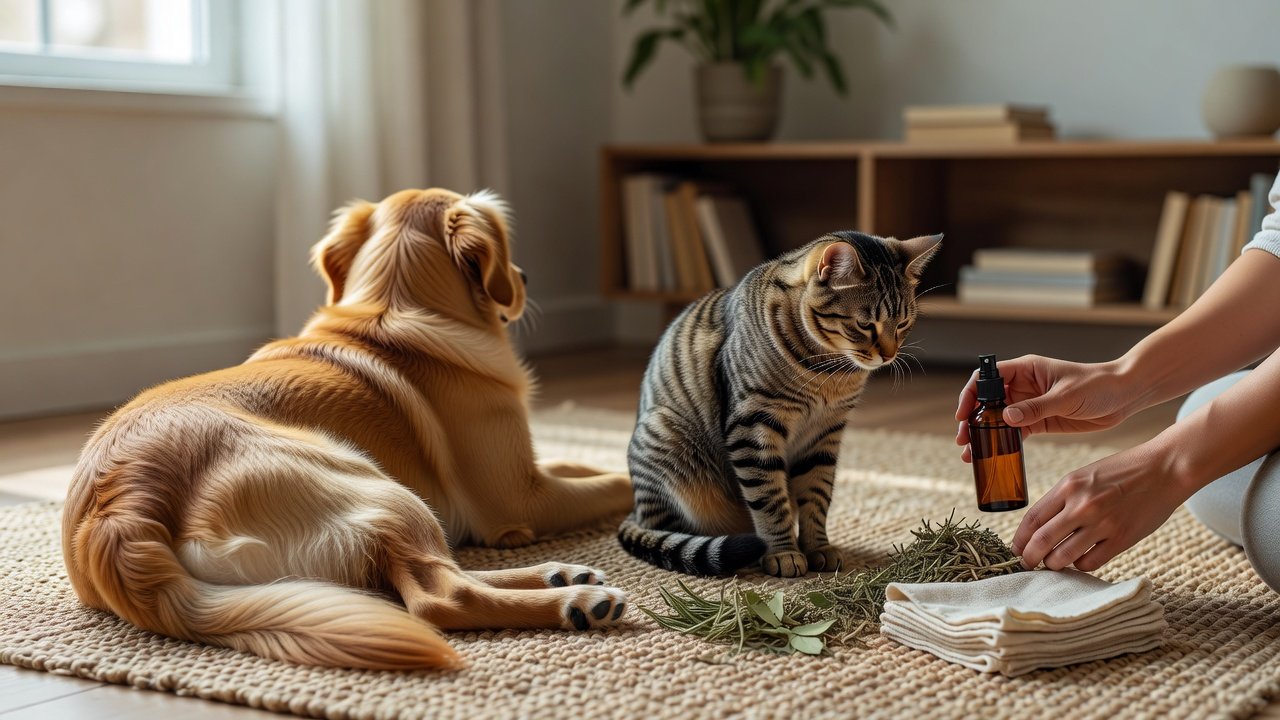
Essential oil blends, when properly diluted, offer gentle repellent power. Cedarwood and lavender on pet-safe collars or careful diffusion can discourage fleas from settling on everyone from Ragdoll cats to Golden Retrievers. Food-grade diatomaceous earth sprinkled on bedding and carpets dehydrates fleas naturally, as long as you keep pets off the area until it settles. My rescue cats have taught me patience with these routines; they notice every change in their environment.
When using essential oils around pets, dilution and safety cannot be overstated. Cats are particularly sensitive to concentrated oils due to their liver’s limited ability to process certain compounds, so any essential oil product should be specifically formulated for pet use and applied in minimal quantities. Diffusing cedarwood or lavender for 15-20 minutes at a time, several times weekly, provides mosquito and flea deterrent benefits without overwhelming your pet’s senses. Never apply undiluted oils directly to skin, and always consult with a veterinarian familiar with herbal protocols before introducing new essential oil regimens, especially in multi-pet homes where one animal’s sensitivity could affect everyone.
Brewer’s yeast stirred into meals supplies B-vitamins that make pets less tasty to fleas. For sensitive cats like Siamese, tiny vet-approved amounts of garlic or pumpkin seeds add mild antiparasitic support. A steady diet rich in quality protein builds stronger immune systems across dogs and cats alike, lowering vulnerability in shared homes. Apple cider vinegar rinses after baths create skin conditions fleas dislike, and bathing all animals on the same schedule prevents any one housemate from re-infesting the others. Always test a new remedy on one pet first.
Nutrition plays an underrated role in parasite resistance across multi-pet households. Pets with strong immune systems naturally resist parasitic infections more effectively than those with compromised immunity due to poor diet or chronic stress. Omega-3 fatty acids from fish oil or ground flaxseed support skin health and make the dermal environment less hospitable to fleas and mites. Probiotics help maintain gut flora that can resist intestinal parasites, and this benefit extends across all pets sharing the same household. Consider rotating protein sources seasonally—grass-fed beef, wild-caught fish, and pastured poultry all contain different micronutrient profiles that strengthen immune function differently. In multi-pet homes, feeding high-quality whole foods rather than grain-heavy kibble often results in noticeable improvements in coat quality and reduced scratching within four to six weeks.
Daily vacuuming pulls flea eggs and larvae from carpets and furniture, while weekly hot-water washes of bedding handle the rest. Designating separate sleeping zones in dog-and-cat homes cuts down on cross-contamination without losing the supervised cuddles we all cherish. Outside, keeping grass short, clearing leaves, and planting rosemary or mint around play areas discourage ticks from hitching rides on Huskies or Beagles. A quick yard check after adventures helps keep parasites from crossing the threshold.
Environmental management in yards requires year-round attention, particularly in regions with moderate climates where parasites thrive across multiple seasons. Ticks prefer tall grass and leaf litter where humidity remains high, so maintaining a mowed lawn and clearing debris directly reduces tick populations by up to 50% according to pest control research. Native plants like rosemary, lavender, and mint naturally repel both fleas and ticks, creating aromatic borders around favorite play areas. For pets that spend significant time outdoors, consider creating a designated “parasite-free zone”—perhaps a small enclosed patio or kennel area with regularly cleaned flooring—where pets can enjoy fresh air with reduced exposure to ground-dwelling parasites.
Bringing a new rescue into the mix calls for a short quarantine and natural screening to safeguard everyone already settled. Training pets to respect each other’s spaces eases stress that might otherwise weaken immunity, and positive reinforcement during grooming turns parasite checks into bonding moments. A newly adopted pet should ideally spend the first 7-14 days in a separate area, allowing time for a veterinary examination and fecal screening before full integration with other household pets. This quarantine period isn’t about rejection—it’s practical protection that prevents introducing parasites to your established pets while the new arrival adjusts emotionally.
Over 70% of flea infestations in multi-pet homes start with just one untreated animal spreading eggs. Food-grade diatomaceous earth combined with steady vacuuming can cut flea populations by up to 90% in two weeks. Certain breeds like Ragdolls show higher rates of flea allergy dermatitis because of their dense coats. Natural deworming protocols can lower intestinal parasite loads in dogs and cats by 60-80%, and homes with three or more pets see 40% faster transmission without steady prevention.
Herbal deworming support offers a gentler alternative to pharmaceutical dewormers for pet owners committed to natural approaches, though the evidence supporting their effectiveness requires careful evaluation. Pumpkin seeds contain compounds that may help reduce certain intestinal worms, while black walnut hull—when properly prepared and dosed—has traditional use as a natural dewormer. However, these should complement rather than replace veterinary fecal testing and professional guidance. Some natural approaches work best as preventive maintenance after a veterinarian has confirmed parasite clearance, rather than as primary treatments for active infections. In multi-pet homes where one infected animal can quickly infest others, combining natural supports with at least one professional deworming cycle ensures everyone starts from a clean baseline.
Monitoring individual pets for signs of parasitic infection allows early intervention before household-wide spread occurs. Frequent scratching, visible fleas or flea dirt, lethargy, changes in appetite, and diarrhea all warrant immediate attention. Keep a simple health log noting each pet’s grooming observations weekly—this documentation helps veterinarians identify patterns and makes it easier to track whether natural prevention strategies are working effectively. In multi-pet homes, it’s particularly helpful to establish a grooming routine where you examine each pet separately at the same time each week, creating consistency that makes subtle changes more noticeable.
Focusing on diet, herbal supports, essential oil repellents, and thorough cleaning creates a healthy space for every family member—rescued or otherwise—while steering clear of chemical side effects. Consistent care like this brings lasting wellness and the quiet peace that comes from knowing your multi-pet household is thriving together. The investment in time and attention that natural
Related Posts
- How to Handle Multi Pet Household Introductions
- How to Manage Multi-Cat Household Dynamics Peacefully
- Preventing Obesity in Dogs Through Portion Control