
Popular Small Dog Breeds Ideal for Apartment Living
“`html

There’s a special kind of magic in choosing a compact companion for apartment life, especially when that little soul comes from a shelter or rescue group. Popular small dog breeds ideal for apartment living bring together just the right mix of petite frames, easygoing energy, and devoted hearts that fit right into city routines. These dogs settle happily into smaller spaces without needing big yards, which is something every pet owner who’s adopted knows is priceless when you’re building a home in an urban setting.
My rescue cats have taught me that adaptability often matters more than square footage, and the same holds true for small dogs thriving in apartments. Factors like calmer barking habits, the ability to exercise indoors, and simple grooming routines all help create peace in shared buildings.
Small dog breeds ideal for apartment living usually stay under 20 pounds and shorter than 18 inches, so they handle narrow hallways and quick elevator rides without fuss. Their modest exercise needs mean a short stroll around the block or some indoor games are plenty, cutting down on the long outings bigger dogs require. Apartment folks often find these breeds pick up crate training and respect for quiet hours fast, which keeps neighbor relations smooth.
In tighter quarters, vertical touches like wall toys or puzzle feeders keep minds busy. Short walks paired with playtime ward off boredom that might otherwise lead to chewed furniture. Watching for early signs of adjustment stress and easing into steady routines makes all the difference.
Plenty of small breeds have barking that stays manageable with steady, kind training, perfect for multi-unit living. Positive encouragement works wonders when hallway noises or guests trigger extra vocalizing.
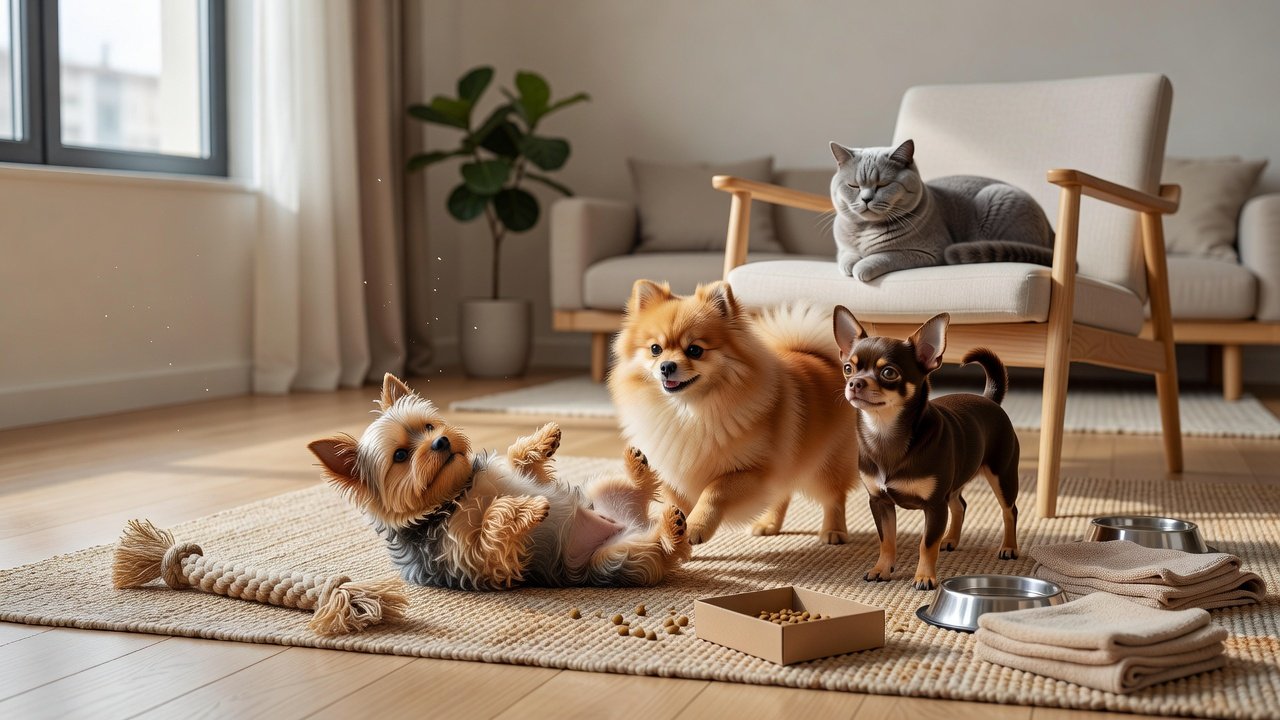
Several breeds shine for their warm personalities and flexibility. The Chihuahua, for example, bonds deeply with its person and prefers cozy laps to long jogs. Pomeranians add a burst of fluffy personality and a watchful eye, though their coats need regular brushing to stay comfortable inside.
Chihuahuas rank among the tiniest options, often just 2 to 6 pounds, and they handle potty pads well when outdoor time is limited. French Bulldogs, a bit sturdier at 16 to 28 pounds, bring a solid build for city life but need extra care around breathing in warmer indoor spaces. Both do best with brief, focused training on basics.
Yorkshire Terriers mix silky coats with lively spirits, turning into reliable little watchdogs once grooming stays on track. The Maltese offers hypoallergenic coats and a gentle temperament, living for daily affection over intense activity. Keeping an eye on dental health, common in small breeds, supports long-term comfort.
Cavaliers bring graceful looks and affectionate ways to apartment homes, loving interactive toys that tap into their playful instincts indoors. Pomeranians with their bright faces adjust well to climate-controlled rooms yet appreciate mental games to ease any tendency toward extra yapping. These breeds often enjoy 12 to 15 years together with attentive care.
Successful apartment life with these dogs begins with early introductions to building sounds and people. Indoor grass patches help with house training for puppies, while adults settle into regular outdoor schedules. Small-breed nutrition keeps joints and energy balanced during quieter days.
Owners do well to stay alert for patellar luxation and dental concerns through regular vet checks. Portion control helps avoid extra weight that can creep in with less movement. Weekly teeth brushing plus dental treats keep mouths healthy.
Indoor courses made from everyday items give physical outlets, and puzzle toys spark clever thinking. Scent games keep breeds like the Yorkshire Terrier engaged without bothering neighbors. Steady daily rhythms build a sense of security.
The Boston Terrier represents another excellent choice for apartment dwellers, combining a compact size of 12 to 25 pounds with a friendly, outgoing nature that adapts well to city living. These intelligent little dogs respond eagerly to training and often bond quickly with their families. Their short coats require minimal grooming, making them particularly low-maintenance compared to longer-haired breeds. Boston Terriers do have a tendency to snore and snort due to their flat faces, which new owners should expect, but they thrive on moderate daily exercise and mental stimulation rather than marathon outdoor sessions.
Shih Tzus offer another wonderful apartment option, known for their affectionate, people-oriented temperament and willingness to adapt to their owner’s lifestyle. Weighing between 9 and 16 pounds, they’re small enough to travel easily and comfortable in compact homes. Their luxurious coats do require consistent grooming—typically every 4 to 6 weeks at a professional groomer—but this maintenance keeps them looking their best and prevents matting that could cause discomfort. Many owners opt for shorter “puppy cuts” that reduce grooming frequency while keeping their adorable appearance intact.
Pug owners consistently report that their pets make outstanding apartment companions. These sturdy little dogs, weighing 14 to 18 pounds, have calm, even-tempered personalities and seem perfectly content with short indoor play sessions followed by nap time. Their amusing antics and expressive faces bring daily joy to apartment living, though like French Bulldogs, they can struggle with heat and need careful temperature management indoors. Pugs are also prone to weight gain, so portion-controlled nutrition paired with regular play becomes especially important for their long-term health.
Understanding the temperament differences among small breeds helps match the right dog to your lifestyle. Some breeds like Cavalier King Charles Spaniels are naturally gentle and eager to please, making them ideal for first-time apartment owners or those seeking a low-stress companion. Others, such as Chihuahuas and Pomeranians, may display more spirited or protective tendencies, requiring confident, consistent training to channel their energy positively. Terrier breeds like Yorkies bring hunting instincts that show up as prey drive toward small rodents or birds outside, which affects how safely you can manage walks and outdoor time.
Space optimization becomes an art when living in apartments with small dogs. Creating a designated sleeping area with a cozy bed helps your dog feel secure and gives them a place to retreat when stressed. Window perches positioned safely away from falls allow small dogs to observe outdoor activity, which provides mental enrichment and can help reduce boredom-related behaviors. Baby gates work wonderfully to create safe zones and manage your dog’s access to different apartment areas during training phases or when you’re away briefly.
The financial aspect of apartment dog ownership also favors small breeds. Smaller dogs consume less food, require smaller quantities of supplies like bedding and toys, and often cost less in veterinary care when weight-based dosing applies to medications. Travel expenses decrease too—many airlines and pet-friendly hotels charge lower fees for dogs under certain weight thresholds, making vacations or visits home more affordable.
Socialization takes on heightened importance in apartments where your dog frequently encounters strangers, other pets, and novel situations. Exposing puppies and newly adopted adults to the sounds of hallway activity, elevator rides, delivery people, and visiting guests during their first weeks helps prevent anxiety-triggered barking or reactivity. Many successful apartment owners find that desensitizing their dogs to common building sounds—other dogs barking, footsteps overhead, doors closing—through controlled exposure and positive reinforcement prevents stress-related behaviors that could disturb neighbors.
Finding the right small breed ultimately depends on matching their natural tendencies with your personal preferences and lifestyle. An active person who enjoys daily walks might pair beautifully with a lively Pomeranian or Yorkshire Terrier, while someone who works longer hours and values a more laid-back companion might find perfect harmony with a Cavalier or Maltese. Visiting local shelters or breed-specific rescues allows you to meet dogs in person and discuss their individual personalities, energy levels, and behavioral quirks with knowledgeable staff who can guide your selection.
What every pet owner who’s adopted knows is that the real joy comes from the bond itself. Over 60% of apartment residents pick small dogs under 20 pounds for simpler management. These breeds typically need only about 30 minutes of daily exercise versus 90 for larger ones. Chihuahuas and Maltese often reach around 14 years with good care and checkups. Positive training methods boost success rates by about 40%, and dental issues touch nearly 80% of small dogs by age three, so prevention matters. Vertical options and interactive feeders noticeably lower stress.
Choosing these compact friends turns an apartment into a true haven filled with loyalty and manageable care. Focusing on training, health, and each dog’s unique needs creates a fulfilling life for everyone under the same roof. These little ones remind us
Related Posts
- Common Health Issues in Small Dog Breeds
- Top Energetic Dog Breeds for Active Families
- Top Guard Dog Breeds With Calm Temperaments
- Best Low-Maintenance Dog Breeds for Busy Owners
- Popular Large Cat Breeds and Care Needs