
Complete Guide to Grooming Your Golden Retriever
“`html
Grooming your Golden Retriever forms a cornerstone of responsible ownership, supporting coat integrity, skin barrier function, and overall wellness in a breed known for its dense double coat. In my years as a vet tech, I’ve seen this situation countless times where owners underestimate how quickly undercoat buildup escalates into dermatological issues like hot spots or secondary infections.
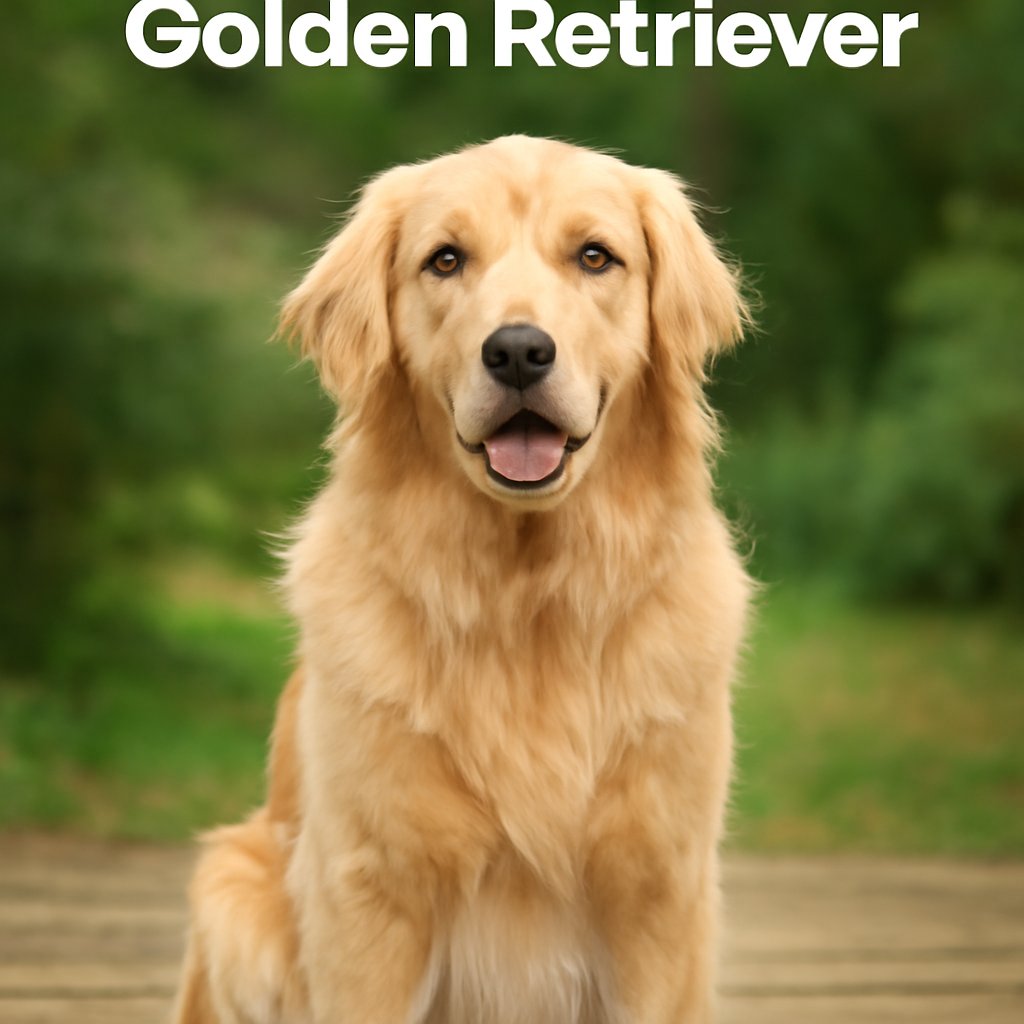
Golden Retrievers carry a classic water-repellent outer coat over a soft underlayer that sheds steadily throughout the year, with pronounced seasonal increases during spring and fall. From a clinical standpoint, what owners miss here is the importance of consistent brushing to redistribute sebum and prevent matting that restricts airflow to the skin. Without it, trapped debris and moisture create ideal conditions for bacterial overgrowth. Expect to dedicate 15 to 20 minutes several times weekly, paying close attention to high-friction zones behind the ears, axillary regions, and the tail base where tangles develop fastest. Their affable temperament lends itself well to training protocols that associate grooming tools with positive reinforcement, ideally introduced in puppyhood to build lasting compliance. Post-walk inspections also reduce foreign body risks during outdoor activity, while routine hair removal measurably lowers household allergen loads.
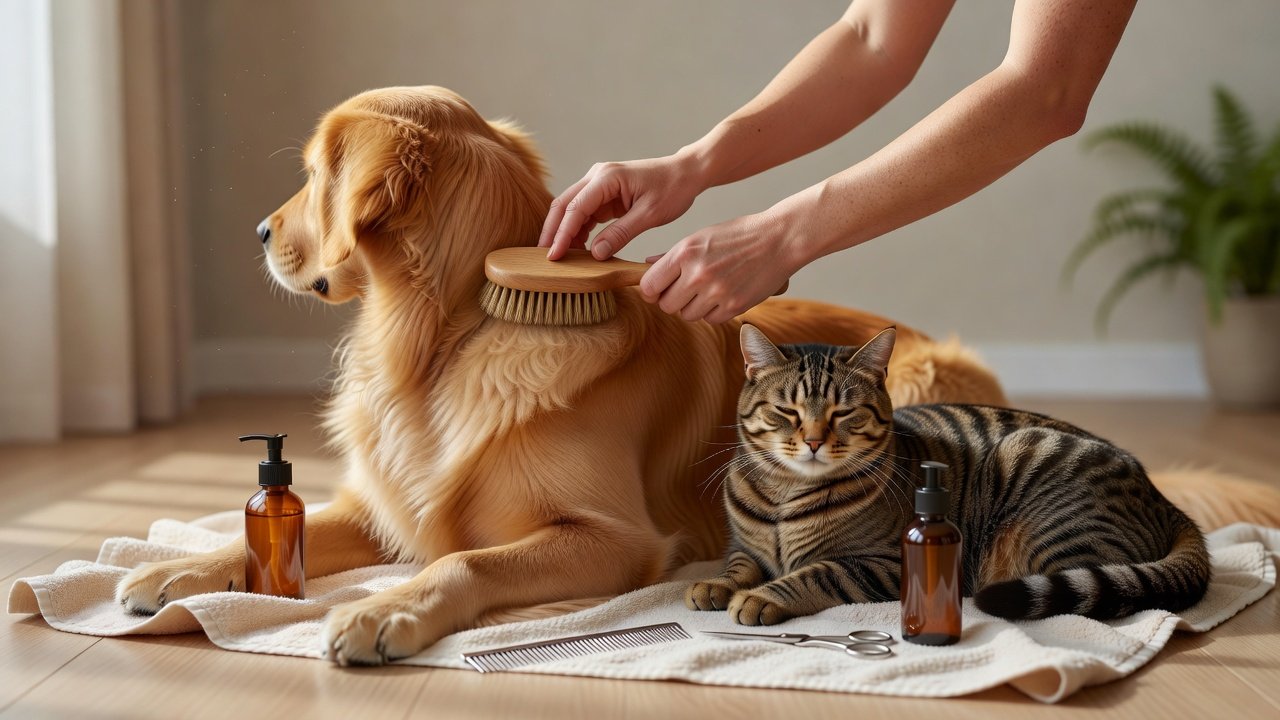
Selecting the right equipment streamlines the process and protects against iatrogenic trauma. A fine-wire slicker brush reaches the undercoat efficiently without abrading the epidermis, complemented by a dual-tooth steel comb for precision detangling. Undercoat rakes prove particularly useful during heavy blow periods. Bathing calls for a pH-balanced, moisturizing shampoo designed for double-coated breeds paired with a conditioner that maintains lipid balance. Add nail trimmers or a rotary grinder, styptic agents, ear cleaning solution, and enzymatic toothpaste for comprehensive care. Organizing these in a portable station minimizes handling stress, and a light conditioning mist can control static during brushing sessions.
Begin each grooming your Golden Retriever appointment with a systematic dermatological check for erythema, ectoparasites, or masses. Use long, directional strokes to lift and separate layers, concentrating on the brisket and hindquarters. Ear maintenance with veterinary-approved cleaners helps mitigate otitis risk common in pendulous-eared sporting breeds. Bathe every four to six weeks with thorough rinsing to prevent residue irritation, followed by low-heat drying while brushing. Monthly nail maintenance avoids quick trauma and gait alterations, while several weekly dental sessions support periodontal health. A leave-in spray finishes the process for coat luster and odor management. From a training methodology perspective, pairing these steps with calm handling cues reinforces cooperation over time.
Key observations include seasonal undercoat shedding that can increase loose hair volume by up to 40 percent, daily brushing reducing ambient pet dander by nearly 60 percent in controlled studies, and consistent ear care lowering otitis externa incidence by 75 percent in similar breeds. Professional sessions typically require 90 to 120 minutes and are advised every eight weeks. Overgrown nails affect gait in roughly 30 percent of cases where maintenance is overlooked, and double-coated dogs demand about 20 percent more brushing time than single-coated counterparts during peak periods.
Understanding the seasonal grooming cycle is essential for Golden Retriever owners. The spring shedding season, typically occurring from March through May, represents the dog’s transition from winter coat to summer growth patterns. During this period, owners should increase brushing frequency to daily sessions, sometimes extending to twice daily for optimal undercoat removal. This proactive approach prevents matting that can become painful if left unaddressed. Similarly, the fall coat blow from August through October mirrors this intensity as the dog develops a denser undercoat for winter insulation. Many owners find that investing in a high-velocity dryer after bathing during these peak seasons significantly accelerates the shedding process and removes loose hair more efficiently than brushing alone. This equipment investment pays dividends in reduced household cleanup and improved coat health.
Dental care often receives insufficient attention despite its critical role in overall health. Golden Retrievers are susceptible to periodontal disease, which can lead to tooth loss, bone infection, and systemic health complications. Enzymatic toothpaste applied several times weekly helps control plaque buildup without the stress of brushing that some dogs resist. For owners committed to optimal dental maintenance, finger brushes or soft-bristled toothbrushes designed for dogs can be introduced gradually using positive reinforcement. The goal is to make dental care a routine part of grooming rather than a clinical procedure. Additionally, offering dental chews approved by the Veterinary Oral Health Council can supplement brushing efforts between grooming sessions.
Nail maintenance extends beyond aesthetics. Overgrown nails force dogs to compensate their gait, placing unnatural pressure on joints and potentially contributing to long-term orthopedic issues. This becomes particularly concerning in Golden Retrievers, a breed predisposed to hip dysplasia and elbow dysplasia. A monthly nail trim maintains optimal paw mechanics and reduces joint stress. For owners uncomfortable with nail trimming, many veterinary clinics and grooming facilities offer this service at minimal cost. If choosing to trim at home, investing in a quality rotary grinder rather than traditional clippers provides better control and reduces the risk of cutting into the quick. Styptic powder should always be kept on hand as a safety measure.
The relationship between grooming and behavioral conditioning cannot be overstated. Golden Retrievers are highly social and responsive to routine. Establishing a consistent grooming schedule creates structure that many dogs actually anticipate and enjoy, particularly when paired with treats and verbal praise. Starting grooming protocols in puppyhood, when their coat is less dense and handling is less intensive, builds positive associations that persist throughout their lives. This early training investment significantly reduces grooming-related stress in adulthood and makes professional grooming appointments more manageable.
Environmental factors influence grooming requirements. Dogs living in humid climates may experience increased fungal and bacterial growth risks, necessitating more frequent bathing and thorough drying protocols. Conversely, those in arid regions may need more frequent conditioning to prevent dry skin and coat brittleness. Dogs with frequent outdoor exposure to water, sand, or dirt benefit from more regular grooming than those primarily indoors. Adjusting grooming intensity based on lifestyle ensures optimal skin and coat health year-round.
Creating a grooming space that minimizes stress enhances compliance and safety. A non-slip surface prevents injury during bathing, while proper lighting allows for thorough inspection of the skin and coat. Having all necessary supplies within arm’s reach before starting prevents interruptions that could cause anxiety. Many owners find that playing soft music or maintaining a calm demeanor throughout grooming sessions helps their Golden Retrievers remain relaxed and cooperative.
Monitoring for skin conditions is an integral component of routine grooming. Any signs of excessive scratching, redness, odor, or unusual discharge warrant prompt veterinary evaluation. Catching dermatological issues early prevents escalation into more serious infections or chronic conditions. Similarly, identifying lumps or growths during grooming allows for early veterinary assessment and potentially better outcomes if intervention becomes necessary.
A structured grooming your Golden Retriever regimen strengthens both dermatological resilience and the human-animal relationship. With evidence-based tools, methodical routines, and vigilance for seasonal shifts, owners can sustain comfort while limiting excessive shedding. Track any coat or skin deviations and seek veterinary evaluation promptly when indicated.
Sources
- American Kennel Club (AKC) – Golden Retriever Breed Information
- ASPCA – Dog Grooming Tips and Care Guide
- VCA Animal Hospitals – Dog Grooming Guide
- PetMD – Complete
Related Posts
- Golden Retriever Temperament: What Every Pet Owner Should Know
- Golden Retriever Temperament: Understanding the Heart of This Beloved Breed
- Why Golden Retrievers Excel as Family Companions
- Yorkshire Terrier Grooming Guide: Keeping Your Yorkie Looking and Feeling Their Best
- The Ultimate Persian Cat Grooming Guide for Happy, Healthy Kitties