
The Most Weird Animals on Earth: Bizarre Creatures You Won’t Believe Are Real
“`html
Nature has a way of surprising us with creatures that feel like they stepped out of a storybook, and every time I learn about one of these oddballs, it reminds me why rescue work matters so much. What every pet owner who’s adopted knows is that the animals who look or act a little differently often end up stealing our hearts the deepest. My rescue cats have taught me that “weird” is usually just another word for wonderfully adapted, and protecting these unique beings starts with the same compassion we bring to shelter doors every day.
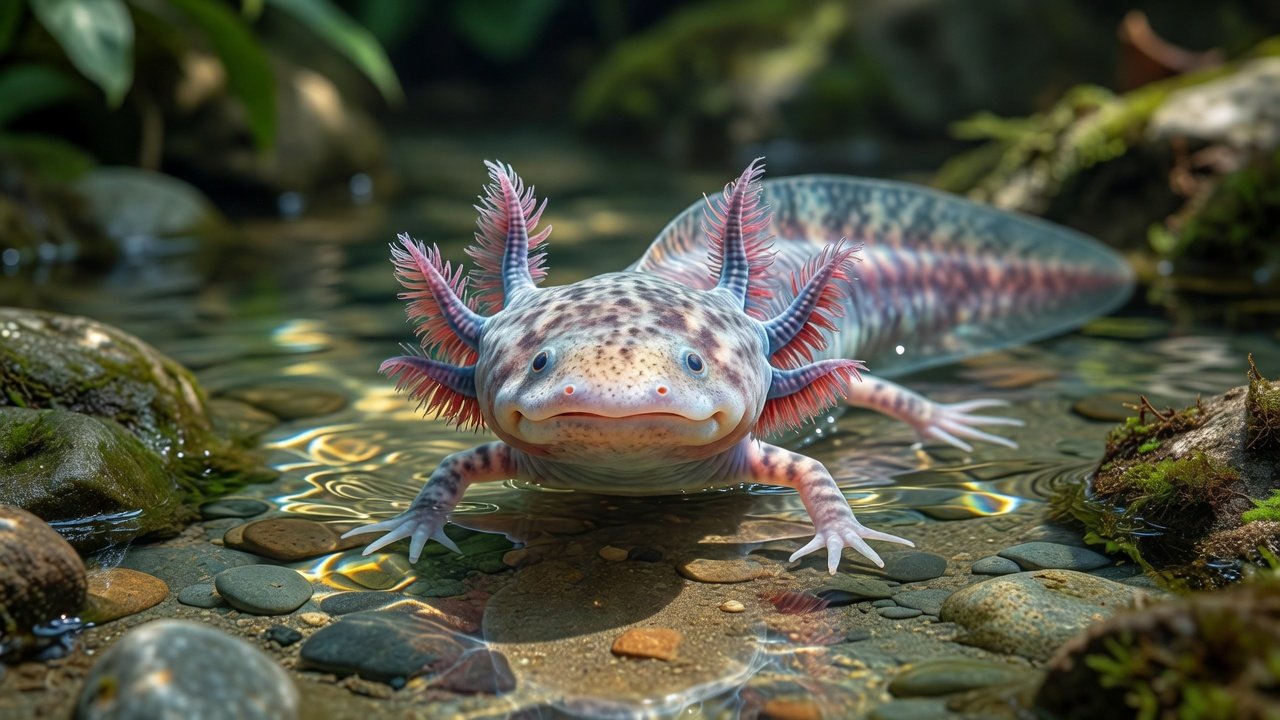
Take the axolotl, for instance. This freshwater salamander from Mexico wears a permanent smile, sports feathery gills, and stays pink and aquatic its whole life. Its superpower is regeneration—it can regrow limbs, eyes, and even parts of its brain. While axolotls have grown popular as pets, their wild relatives are critically endangered. Adopting one from a responsible rescue or breeder feels like giving a second chance to a creature that already defies expectations, much like the cats who arrived in my home already missing pieces of their past yet ready to heal. What makes axolotls even more remarkable is that they can reach sexual maturity without undergoing metamorphosis—a process called neoteny. In laboratory settings, scientists have discovered that their regenerative abilities extend to regrowing complex neural structures, making them invaluable to medical research aimed at treating spinal cord injuries in humans.
Then there’s the anglerfish, lurking in the pitch-black ocean with a glowing lure that dangles like a fishing rod. In some species the tiny male fuses permanently to the female, becoming little more than a built-in reproductive partner. It’s an extreme solution to a lonely deep-sea existence, and it makes me think about the bonds we form with rescued animals who’ve also had to adapt to impossible circumstances. The anglerfish’s bioluminescence comes from symbiotic bacteria living within specialized light organs called photophores. These bacteria produce light through a chemical reaction, and in return, the fish provides them with nutrients—a partnership forged in the absolute darkness of the ocean depths where light is so rare that encounters between mates are nearly impossible. This extreme adaptation showcases how far evolution will push creatures when survival itself depends on unconventional solutions.
The blobfish looks like a sad, droopy lump when hauled to the surface, but that’s only because its gelatinous body is perfectly suited to crushing depths off Australia. At home thousands of feet down, it holds its shape just fine. Seeing how misunderstood this creature became after being voted “World’s Ugliest Animal” always makes me protective; it’s the same instinct that drives me to champion shelter pets who get overlooked simply because they don’t fit the glossy calendar mold. The blobfish lives at pressures roughly 80 times greater than what we experience at sea level, and its body composition—mostly water with a density slightly lower than seawater—allows it to float effortlessly through its deep-sea habitat without expending energy on swimming. When brought to the surface, the rapid pressure change causes the fish’s body to expand dramatically, transforming it from a fish that looks relatively normal at depth into the gelatinous blob we see in viral photos.
Mantis shrimp may be only about a foot long, yet they pack the fastest punch in the ocean—striking at over fifty miles per hour—and they see colors with sixteen receptors instead of our three. They’re neither mantis nor shrimp, which feels exactly right for an animal that refuses easy labels. My rescue cats have taught me that the ones who color outside the lines are usually the most fascinating roommates. The mantis shrimp’s vision is so advanced that scientists are still working to understand how their brains process such complex color information. Their ability to punch with the force of a .22-caliber bullet comes from a specialized appendage that loads energy like a spring; when released, it creates cavitation bubbles that stun or kill prey even if the punch itself misses. Some species of mantis shrimp are also known to produce their own light through bioluminescence, adding yet another layer of sophistication to an already extraordinary creature.
The platypus keeps surprising scientists too: an egg-laying mammal with venomous spurs on the males, electroreceptors in its bill, and no stomach at all. When the first specimens reached Europe, people assumed they were hoaxes. That sense of delightful disbelief is what I feel every time a formerly feral cat decides my lap is safe territory. The platypus represents a living evolutionary bridge between reptiles and mammals, making it invaluable for understanding how complex modern mammals evolved from their ancient ancestors. Its electroreceptors allow it to hunt effectively in murky river water with its eyes closed, detecting the tiny electrical fields generated by the muscle contractions of prey animals. Male platypuses produce venom only during breeding season, using it to compete with other males—a fascinating example of how adaptations serve multiple purposes in an animal’s survival strategy.
Pangolins wear coats of overlapping keratin scales and possess tongues longer than their bodies for slurping up ants and termites. They’re the only mammals completely covered in scales, and tragically the most trafficked. Their story underscores why rescue and conservation work must go hand in hand; every animal that reaches safety carries the hope of its entire species. Pangolin scales are made of the same material as human fingernails, and these plates provide remarkable protection while remaining flexible enough to allow movement. When threatened, a pangolin can curl into an almost impenetrable ball, with its overlapping scales forming a natural armor that even predators with powerful jaws struggle to penetrate. Despite their incredible adaptations, pangolins face extinction primarily due to poaching for the illegal wildlife trade, where their scales are valued in traditional medicine and their meat is considered a delicacy in some regions.
The aye-aye of Madagascar taps on wood with an elongated middle finger to locate hidden insects, its bat-like ears and bushy tail making it look like something from folklore. Once feared locally, these primates are now recognized as vital seed dispersers and insect controllers. It’s a familiar arc to anyone who’s watched a “problem” shelter animal reveal itself as a gift. The aye-aye’s finger-tapping behavior is called percussive foraging, and it allows the animal to detect the hollow chambers where insect larvae hide beneath tree bark. Its ears are so sensitive that they can detect the faintest vibrations caused by insects moving inside wood, making it one of nature’s most sophisticated hunters despite its small size and unusual appearance.
Goblin sharks, living fossils with extendable jaws, wait in the deep for prey to drift close. Naked mole rats, hairless and nearly cancer-proof, live in underground colonies with a single breeding queen. Both challenge what we think mammals or sharks are supposed to be, yet they thrive in their niches. Naked mole rats have been the subject of intense scientific study because their bodies produce high levels of hyaluronic acid, a compound that may contribute to their resistance to cancer and their remarkable longevity—some individuals living over 30 years in captivity. Their eusocial structure, where only one female reproduces while others serve as workers, mirrors the social organization of bees and ants rather than typical mammalian societies, making them extraordinary subjects for understanding alternative social arrangements in the animal kingdom.
Every one of these creatures shows us that evolution rewards difference. When we open our hearts—and sometimes our homes—to animals that don’t match the usual picture, whether that’s a rescue cat with three legs or a rare amphibian that needs specialized care, we become part of the same story of adaptation and survival. The more we learn about the planet’s oddest residents, the more clearly we see that every life, no matter how strange it looks at first glance, has something essential to teach us. Supporting conservation efforts for these unusual species, educating others about their ecological importance, and choosing ethical sources when keeping unusual animals as pets are all ways we can honor the incredible diversity that makes our planet so remarkable. The weird animals among us aren’t evolutionary mistakes—they’re masterpieces of adaptation, each one perfectly designed for the unique challenges of their environment.
Sources
- American Kennel Club (AKC) – Official breed standards and dog information
- ASPCA – Animal welfare
Related Posts
- The Most Fascinating Ugly Animals: Beauty in Bizarre Creatures
- Zoo Animals: Complete Guide to the World’s Most Fascinating Creatures
- Weird Animals That Will Blow Your Mind
- Rainforest Animals: Colorful Creatures of the Jungle
- Ugly Animals: Why These Creatures Are Worth Loving