

Signs of Arthritis in Older Dogs Treatment
“`html
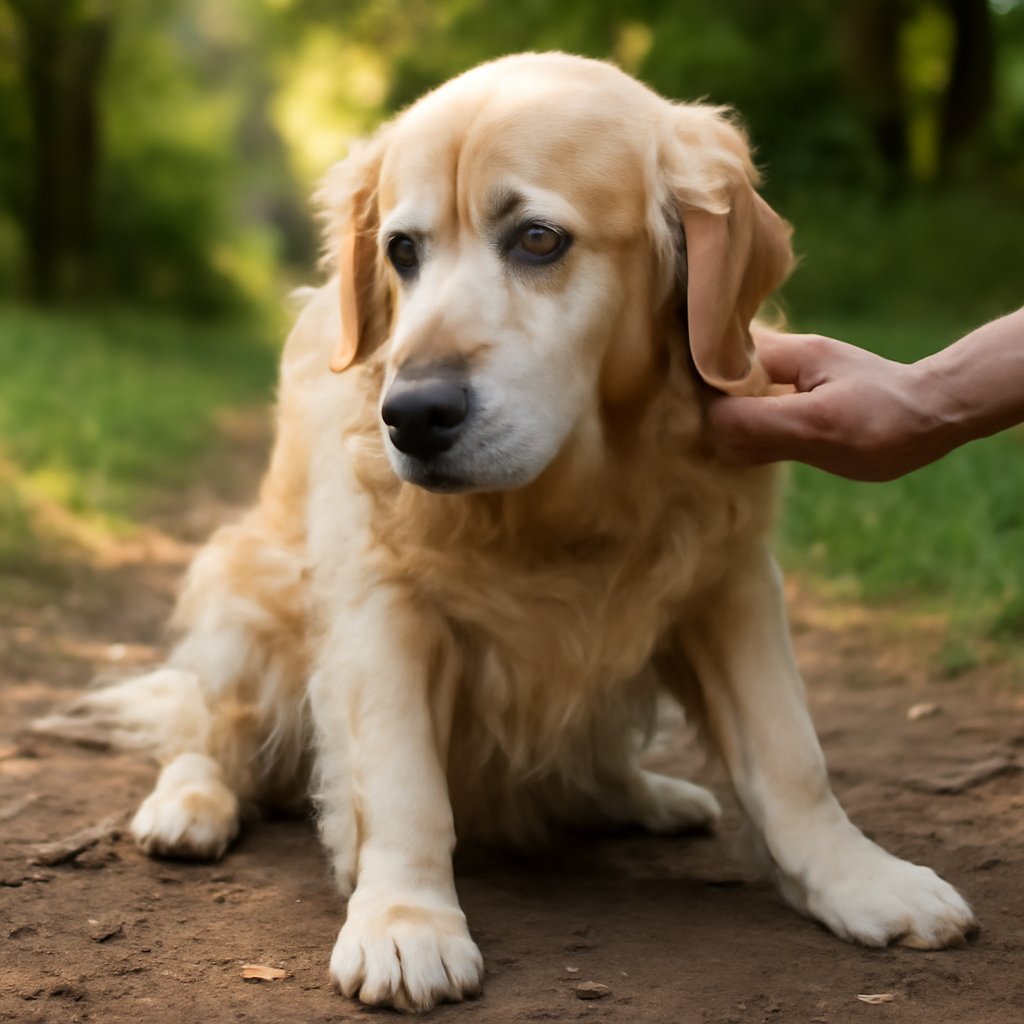
As our furry companions grow older, spotting the early signs of arthritis in older dogs becomes one of the kindest things we can do for them. I’ve seen it time and again with the senior dogs who come through rescue circles—those gentle souls who’ve already lived through so much before finding their forever homes. What every pet owner who’s adopted knows is that these later years are when our bond deepens most, and catching joint trouble early can mean the difference between a dog who still enjoys slow neighborhood strolls and one who struggles just to greet you at the door.
My rescue cats have taught me patience with aging bodies, but the same lessons apply when friends share stories of their adopted senior pups. Stiffness after rest, especially first thing in the morning, often shows up as a dog taking longer to rise from their bed. You might notice limping that worsens after play or on chilly days, or a once-enthusiastic jumper now hesitating at the couch or stairs. Some pups grow irritable when certain spots are touched, lose interest in meals, or lick their legs raw trying to soothe the ache. These quiet signals matter.
Beyond these visible signs, there are subtler changes worth monitoring. Dogs with arthritis may experience a reduced range of motion in their joints, making their gait appear more stilted or unnatural. You might notice they bunny-hop with their hind legs rather than moving them independently, or that they’re reluctant to climb stairs, jump into vehicles, or get into the bathtub. Some senior dogs develop behavioral changes—they may seem withdrawn, spend more time resting than playing, or show reluctance to walk routes they once loved. Nighttime discomfort can lead to panting, whimpering, or frequent position changes as they struggle to find a comfortable sleeping spot.
Large and giant breeds like Labrador Retrievers, German Shepherds, and Golden Retrievers carry higher risks because of how quickly they grew and the genetics they inherited. Even smaller dogs such as Dachshunds and Beagles can develop arthritis after disc problems. Extra weight only adds pressure on those already tender joints, which is why keeping an eye on the scale helps so much. Many of us start scheduling those deeper veterinary checks once our rescues hit seven, catching tiny changes before they steal more mobility.
Understanding the underlying mechanics of canine arthritis helps pet owners appreciate why certain interventions work. Arthritis, or osteoarthritis, develops when the protective cartilage that cushions joints gradually breaks down. This deterioration triggers inflammation, bone-on-bone friction, and the formation of bone spurs. In older dogs, years of wear and tear—compounded by previous injuries, joint dysplasia, or genetic predisposition—accelerate this process. Cold, damp weather can exacerbate symptoms because barometric pressure changes affect joint fluid viscosity, making stiffness more pronounced. This is why many senior dogs seem to predict rain or cold snaps before we do.
Treatment looks different for every dog, just like every rescue story unfolds uniquely. Vets often prescribe anti-inflammatory medications that ease swelling and discomfort, with regular bloodwork keeping watch over liver and kidney health. Common medications include NSAIDs like carprofen, meloxicam, or firocoxib, which work by reducing inflammation and blocking pain signals. These aren’t quick fixes—they work best when started early and given consistently. Some dogs respond better to certain medications than others, so finding the right fit sometimes requires patience and communication with your veterinarian.
Supplements with glucosamine, chondroitin, and omega-3s give cartilage a little extra support while calming inflammation from within. Portion control paired with gentle swims or short leash walks builds muscle without pounding the joints. Swimming deserves special mention because it’s one of the best exercises for arthritic dogs—the water provides buoyancy that reduces stress on joints while allowing them to maintain muscle tone and cardiovascular health. Even ten to fifteen minutes in a dog-friendly pool or hydrotherapy tank can make a noticeable difference in mobility.
Some families add laser therapy sessions that boost circulation, or injections like Adequan for better joint lubrication. In tougher cases, surgeries such as hip replacements give selected dogs a fresh chapter. Blending several approaches—medicine, movement, and nutrition—usually brings the steadiest relief because it tackles both the pain and what’s causing it. Regenerative medicine options like stem cell therapy and platelet-rich plasma (PRP) injections are becoming more available, though they remain specialized treatments worth discussing with your vet if other approaches aren’t providing adequate relief.
Physical therapy with gentle stretches and underwater treadmills helps restore flexibility. A certified canine rehabilitation therapist can design exercises tailored to your dog’s specific joints and limitations. Acupuncture and massage ease muscle tightness for many pups, while simple home changes like orthopedic beds, ramps, and rugs that grip the floor prevent slips and make daily life kinder. Consider placing non-slip mats on hardwood or tile floors throughout your home—arthritic dogs often avoid these surfaces because they can’t gain traction, which limits their movement and social interaction.
Dietary adjustments play an underestimated role in managing arthritis. Quality protein helps maintain muscle mass, which is crucial for supporting arthritic joints. Some prescription diets are formulated specifically for joint health, containing higher levels of omega-3 fatty acids and other joint-supporting nutrients. Maintaining a lean body weight is perhaps the single most impactful dietary intervention—overweight dogs experience significantly more joint stress and faster disease progression.
Tracking how much your dog moves or eats in a simple notebook lets you spot when adjustments are needed, and those twice-yearly check-ups catch any new health wrinkles early. Consider taking photos or brief videos of your dog’s movement monthly to document changes over time. This documentation can be incredibly valuable during veterinary appointments, giving your vet concrete evidence of improvement or deterioration.
The numbers tell a story too: about 20 percent of dogs over a year old already show arthritis on X-rays, with the rate climbing fast after age seven. Large-breed dogs face four times the odds of noticeable trouble compared with smaller ones. Keeping weight in check can slow progression by as much as half in vulnerable seniors. Omega-3 supplements lift mobility scores for roughly 70 percent of treated dogs within eight weeks, and well-rounded care plans often add two to three more comfortable years.
Environmental modifications deserve careful attention in your senior dog’s living space. Raised food and water bowls reduce strain on the neck and shoulders. A heated bed can provide comfort and ease stiffness, especially during cold months. Consider restricting your dog’s access to stairs, or invest in baby gates to confine them to main-floor living areas. Some owners install ramps or use pet stairs to help their dogs access favorite spots like couches or beds without jumping. These small changes accumulate into significantly improved daily comfort.
When we choose to welcome an older rescue dog, we’re signing up for exactly these tender chapters—watching them nap in a patch of sun, feeling that slow tail thump when we walk in the room. With steady attention and the right mix of care, those golden days can stay full of quiet joy rather than quiet pain. The investment we make in managing arthritis is really an investment in preserving those precious moments and extending the quality time we have with our beloved companions.
Sources
“`