
Fun Tricks to Teach Your Dog Home
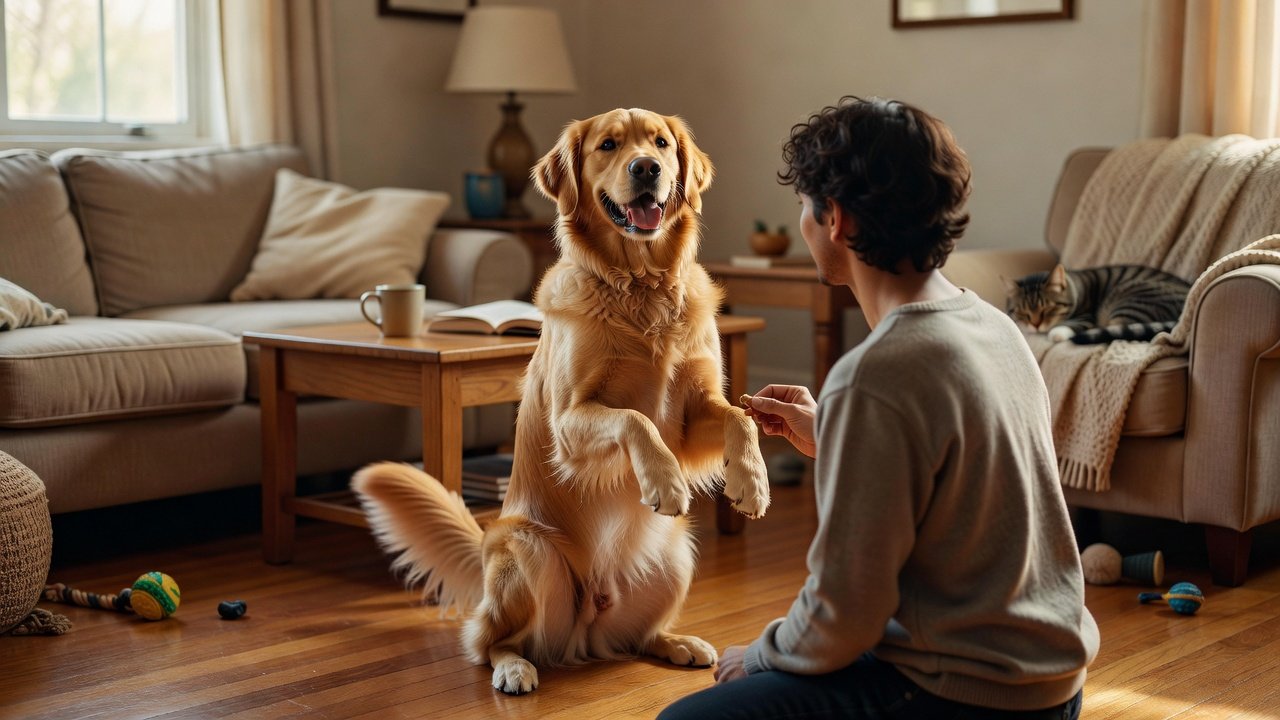
Teaching your dog fun tricks at home does more than pass the time—it strengthens the human-canine bond while delivering targeted mental stimulation and controlled physical exercise. Whether you’re working with a high-drive Labrador or a quick-learning Border Collie, indoor sessions keep training consistent even when weather or apartment living gets in the way. Positive reinforcement remains the gold standard because it keeps dogs engaged and prevents the frustration that often derails progress.
From a clinical standpoint, what owners miss here is how structured trick work directly counters boredom-related issues like excessive barking or destructive chewing. In my years as a vet tech, I’ve seen countless dogs whose anxiety scores dropped measurably once daily short sessions became routine, much the way puzzle toys benefit cats.
Physically, even brief daily practice helps maintain healthy weight and muscle tone, especially in breeds prone to obesity such as Beagles and Bulldogs. Mentally, new commands stimulate cognitive pathways and can slow age-related decline in senior dogs. Studies consistently show that dogs trained regularly exhibit fewer anxiety symptoms and more stable sleep patterns.
Home training also builds trust through repeated, low-pressure interactions. Herding breeds like Australian Shepherds often master complex sequences quickly, while toy breeds such as Chihuahuas thrive on gentle, high-frequency rewards. Always match session length and intensity to your dog’s current energy level and orthopedic health to avoid strain.
Start with solid foundational commands before layering on flashier tricks. Use treats, verbal praise, or a clicker to mark the exact moment the desired behavior occurs, and keep every session under ten minutes so focus stays sharp.
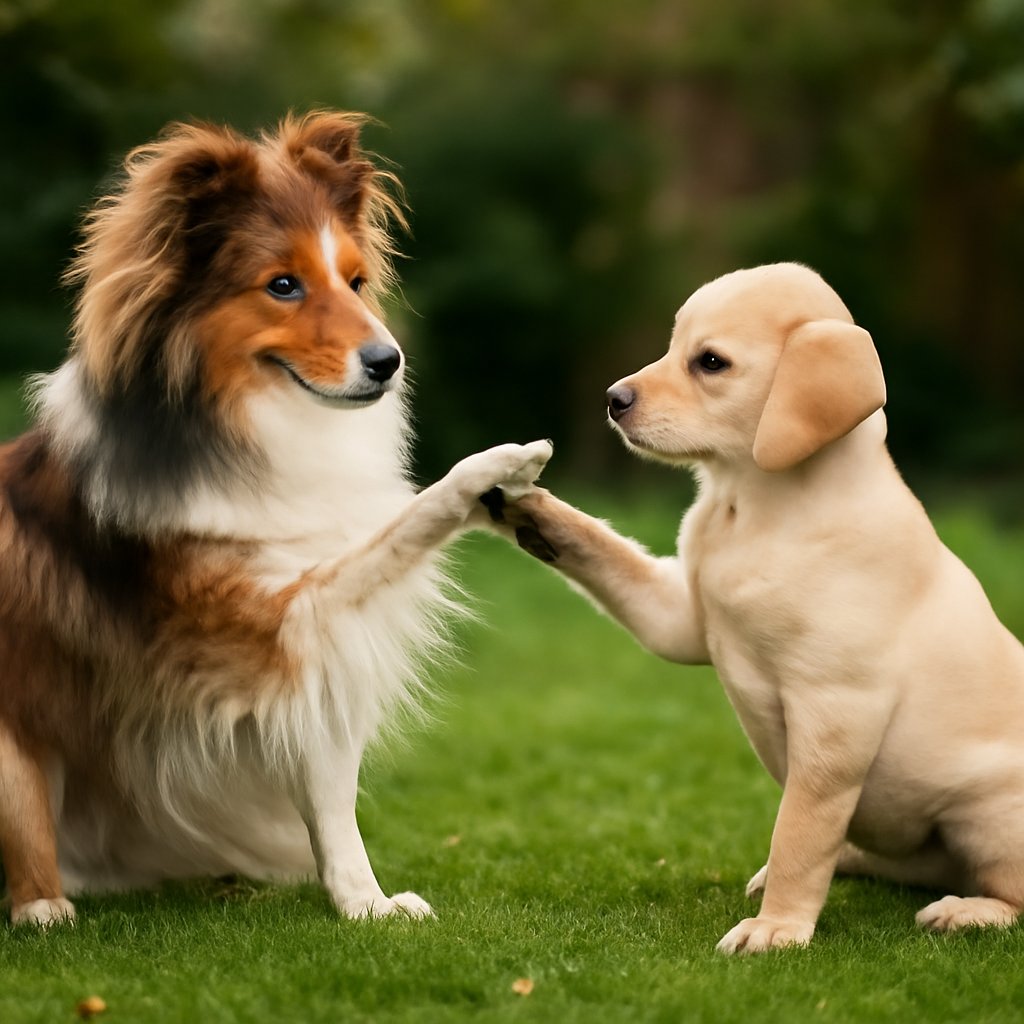
Begin with “sit” by luring a treat from the nose upward and slightly back until the hips drop. Once that’s reliable, layer in “stay” by increasing distance and duration incrementally. “Shake” is taught by gently lifting a paw and pairing the motion with an immediate reward; the cue works across most breeds, including Golden Retrievers whose eagerness to please makes them natural participants.
For “roll over,” first cue a down position, then guide the dog onto its back with the treat. “Spin” uses a circular lure around the head to encourage a full 360-degree turn. Both provide light indoor exercise; non-slip mats reduce the risk of awkward slips on hard floors.
Advanced behaviors such as “play dead” build on “down” and “stay” with a dramatic cue added once the base positions are fluent. Teaching a dog to fetch a named toy sharpens problem-solving and strengthens recall. Intelligent breeds like Poodles frequently excel here, turning the exercise into an engaging game.
Consistency and patience drive results. Always finish sessions on a success so the dog leaves wanting more. Punishment has no place in this process; it erodes confidence and slows acquisition. Choose a quiet space, keep high-value rewards such as small pieces of chicken or cheese on hand, and watch closely for fatigue—particularly in brachycephalic breeds like French Bulldogs that can overheat rapidly.
Avoid rushing steps or extending sessions beyond the dog’s attention span. If a trick stalls, break it into smaller approximations. Dogs with any pre-existing health conditions should be cleared by a veterinarian before beginning an increased activity program.
One often-overlooked aspect of home trick training is the critical role of timing in reward delivery. Dogs learn through immediate association—ideally within one to two seconds of performing the desired behavior. This is where clicker training becomes invaluable for owners who struggle with manual timing. The clicker serves as a “marker” that says “yes, that exact behavior earned you a reward,” creating crystal-clear communication that verbal praise alone cannot match. Many trainers recommend purchasing an inexpensive clicker and dedicating it exclusively to training; over time, the sound becomes powerfully motivating on its own.
Temperature and environment also matter more than most owners realize. While dogs can train in various settings, maintaining a consistent location during the learning phase reduces distractions and helps your dog associate that space with the reward opportunity. A quiet corner of your living room beats the kitchen where cooking smells or family activity might break focus. Similarly, training before meals—when your dog is genuinely hungry—makes food rewards far more effective than post-dinner sessions when motivation naturally dips.
Age-appropriate progression is equally important. Puppies under six months have shorter attention spans and developing joints, so training sessions should be even briefer and focus on gentle, low-impact tricks like “sit” and “down.” Senior dogs, conversely, benefit tremendously from continued cognitive work but may struggle with physically demanding tricks; “touch,” “watch me,” and “spin” (on soft surfaces) remain excellent choices for maintaining mental engagement without strain.
The concept of “shaping” deserves deeper exploration for owners tackling more ambitious tricks. Rather than waiting for a dog to perform an entire behavior perfectly, you reward successive approximations toward the final goal. If teaching “play dead” seems impossible, celebrate when your dog simply lowers into a down, then reward again when they lean slightly to one side, then when they rest fully on their hip. Over dozens of sessions, these small steps naturally build into the complete behavior. This method works especially well for dogs that seem stubborn—they’re often simply waiting for clearer guidance about what earns the reward.
Many owners underestimate how valuable the “leave it” command becomes in daily safety. While less flashy than a backflip, teaching your dog to reliably ignore dropped food or items on the street prevents poisoning and costly veterinary visits. Practice by placing a treat in a closed fist, letting your dog investigate and lick, then opening your hand only when they pull away. Graduate to treats on the floor, then walks in low-distraction environments, always marking success with a better reward from your hand.
The relationship between trick training and real-world problem behaviors cannot be overstated. Dogs that jump on guests often do so from pure enthusiasm and lack of training structure. Channel that energy into “place”—teaching your dog to go to a specific mat or bed on cue. This single skill transforms greeting situations, reduces guest frustration, and gives your dog a constructive outlet. Similarly, dogs that pull on leash benefit enormously from “heel” or “walk loose” training at home before applying it outdoors.
Environment enrichment through trick training extends beyond the obvious. Dogs that learn to retrieve specific toys by name develop stronger problem-solving skills and show measurable improvements in impulse control over time. Some owners teach their dogs to “find it” by hiding treats around the house—a game that satisfies the natural foraging instinct while burning mental calories. Others teach “go to bed,” “get your toy,” or “high five,” turning daily interactions into rewarding mini-training moments that don’t require structured sessions.
Breed tendencies should inform your trick selection strategy. Terriers, bred to chase and hunt, naturally excel at toys and chase games; redirect this energy into “fetch” or “retrieve.” Scent hounds like Beagles thrive on nose work and tracking games; consider teaching them to find hidden treats as a more breed-appropriate challenge than complex obedience sequences. Sighthounds like Whippets burn their prey drive through controlled “chase” games and sprinting tricks, while companion breeds often simply want close physical contact and verbal praise as their primary motivation.
Over 60 percent of owners report improved behavior after consistent at-home trick training. Positive reinforcement accelerates learning by up to 80 percent compared with other methods. Regularly trained dogs show a 40 percent drop in destructive behaviors, according to veterinary behavior data. Border Collies often master new tricks in as few as five repetitions, and daily cognitive work can meaningfully extend both mental sharpness and overall lifespan.
Documentation and celebration matter psychologically for owners too. Taking videos of progress, even when it feels incremental, provides motivation during plateaus. Sharing achievements with family members reinforces the value of the training routine and often encourages consistent participation. Dogs respond positively when multiple household members reinforce the same cues, creating redundancy in learning pathways.
With steady, reward-based practice, any dog can acquire impressive skills that improve daily life for both of you. Begin with the basics, celebrate each small win, and watch the relationship deepen over time.
Sources
- American Kennel Club (AKC) – Dog Training Guide
- Top Protective Dog Breeds for Home Security
- Bug Bag Tips Every Pet Owner Needs for Outdoor Fun
- Animals That Start With N: Fun Facts & Profiles
- Baby Animals: The Ultimate Guide to Adorable Babies in the Wild and at Home
- Top Energetic Dog Breeds for Active Families
- How to Teach Basic Obedience Commands to Puppies