
Baby Animals: The Ultimate Guide to Adorable Babies in the Wild and at Home
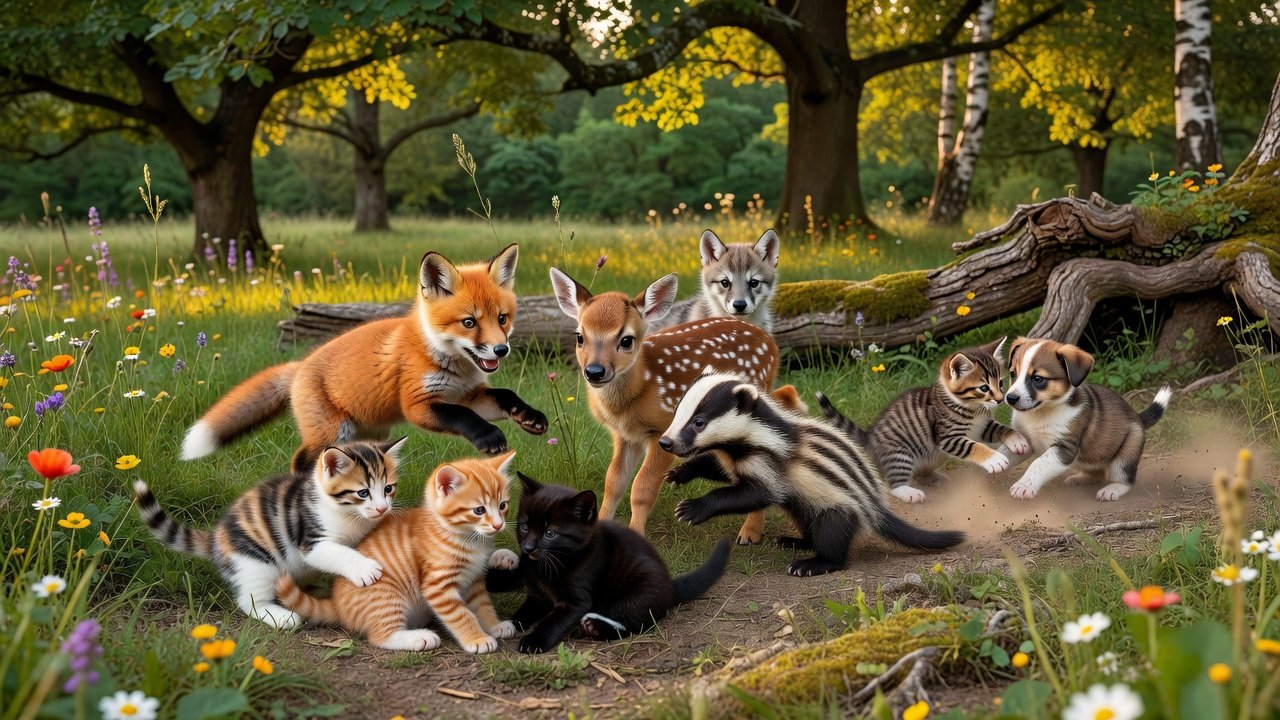
There’s something truly magical about watching the tiniest creatures take their first wobbly steps or peek out from a nest, and I’ve found that learning what we call them only deepens the wonder. A baby kangaroo is a joey, a baby swan a cygnet, a young fox a kit, a baby otter a pup, and a baby platypus a puggle—while a baby puffin earns the delightful name of puffling. These names, passed down through generations, remind us how each species carries its own story, much like the rescue animals who come into our lives already bearing quiet histories of their own.
My rescue cats have taught me that every small being arrives with its own timeline for trust and growth. Baby animals move through their early days in remarkably different ways, some standing within hours like giraffe calves on the savanna, others depending on parents for weeks the way eaglets do in the nest. The newborn phase often means total reliance and rapid change, while the juvenile stage brings exploration, skill-building, and the first tastes of independence—whether that’s a sea turtle hatchling instinctively heading toward moonlight on the waves or a young elephant learning from its mother which waterholes to seek in drought.
What every pet owner who’s adopted knows is that these early weeks shape everything that follows. Baby blue whales can gain two hundred pounds a day on their mother’s rich milk, while some seahorses emerge smaller than a grain of rice; both extremes show how nature equips each species for its world. Survival instincts appear early too—sea turtle hatchlings know the way to the ocean, and young elephants carry forward knowledge across generations. These same instincts show up in our homes when a rescue kitten learns to play or a puppy begins to understand routines.
The developmental stages of baby animals follow predictable patterns that help us understand what to expect at each phase. In the first weeks of life, most mammalian babies are entirely dependent on their mothers for nourishment, warmth, and protection. Puppies, for example, are born deaf, blind, and toothless, relying completely on their mother’s milk and body heat. By three to four weeks, their eyes open and they begin to explore their immediate surroundings. Kittens follow a similar timeline, opening their eyes between three and fourteen days old and beginning to play-stalk and pounce by five to six weeks—behaviors that will define their hunting instincts throughout life. Understanding these developmental windows helps us recognize normal growth patterns and identify when a young animal might need extra care or intervention.
Different species also exhibit vastly different approaches to parenting and independence. Precocial animals, like baby ducks and chicks, are relatively mature and mobile from the moment of birth or hatching. A duckling can swim and forage within hours of hatching, though it still depends on its mother for warmth and protection. In contrast, altricial animals like songbirds and primates are born helpless and require extended parental care. Orangutan infants stay with their mothers for six to seven years, learning which foods are safe to eat, how to build nests, and how to navigate their forest homes. This variation across species teaches us that “baby animal care” looks dramatically different depending on the species involved.
When it comes to welcoming animals into our families, the pull toward puppies and kittens is strong, yet the most rewarding path is almost always adoption. Those critical socialization weeks between three and fourteen days old matter deeply, and rescue groups work tirelessly to give orphaned or surrendered babies the head start they deserve. The socialization period—roughly from three weeks to sixteen weeks in puppies and three to nine weeks in kittens—is when young animals learn to trust, interact with others, and develop confidence in their environment. Exposing them to various sounds, people, textures, and experiences during this window creates more adaptable, well-adjusted adult companions. Smaller companions like rabbits, guinea pigs, and hamsters can also teach children gentle responsibility, provided we understand each one’s unique needs for diet, space, and enrichment. Guinea pigs, for instance, require a diet rich in vitamin C and benefit from living in pairs or small groups, as they are highly social creatures. Exotic or wild baby animals, however, belong in the care of professionals; their complex requirements are best met through sanctuaries and rehabilitation centers that prepare them, when possible, for return to the wild.
Nutrition plays a critical role in healthy development, and different species have vastly different dietary requirements. While puppies and kittens benefit from formulated foods designed for their life stage, young rabbits need unlimited timothy hay and carefully controlled amounts of pellets to prevent digestive issues. Baby birds require species-specific diets—hand-rearing a baby parrot, for example, requires specialized formula fed at precise temperatures and intervals. The wrong nutrition during these formative months can result in developmental problems, weakened immunity, and long-term health issues. This is why consultation with a veterinarian familiar with the specific species is crucial when caring for any young animal.
Observing baby animals in their natural habitats—from Australian joeys and platypus young to African elephant calves, lion cubs, and zebra foals, or even Arctic seal pups and polar bear cubs—reveals how parental care varies as widely as the landscapes themselves. Mammals often invest years, while many reptiles and fish rely on numbers and instinct. Conservation efforts worldwide now focus on protecting these vulnerable young, because they represent the future of every species. Sanctuaries that nurse injured or orphaned babies back to health also open our eyes to the quiet courage behind rescue work. Organizations dedicated to wildlife rehabilitation often care for thousands of baby animals annually—from orphaned fawns to injured songbirds—implementing the latest knowledge about nutrition, habitat requirements, and behavioral development to ensure the best possible outcomes for release back into the wild.
The reason we melt at the sight of round faces and oversized eyes is rooted in something deeper than cuteness; those features spark our instinct to protect. That same pull draws many of us to adoption, where the clumsy play and gradual trust of a rescue animal create bonds that last a lifetime. Understanding the science behind this attraction—how neoteny, or the retention of juvenile features, triggers our caregiving responses—helps us appreciate why we’re drawn to baby animals and reminds us of our responsibility to care for them thoughtfully and ethically.
Whether we’re supporting wildlife rehabilitation or opening our homes to a kitten from the local shelter, these small lives remind us that every creature, wild or domestic, carries the same quiet invitation to care. The commitment to a young animal means meeting their developmental needs with patience, learning about their species’ requirements, and understanding that the investment we make in their early weeks and months pays dividends in the form of healthier, happier, more well-adjusted companions or, in the case of wildlife, animals successfully returned to their natural habitats.
Understanding their development and needs only strengthens our role as stewards. Baby animals, in all their variety, keep showing us nature’s blend of fragility and resilience—and in doing so, they keep leading us back to the simple act of showing up for them.