
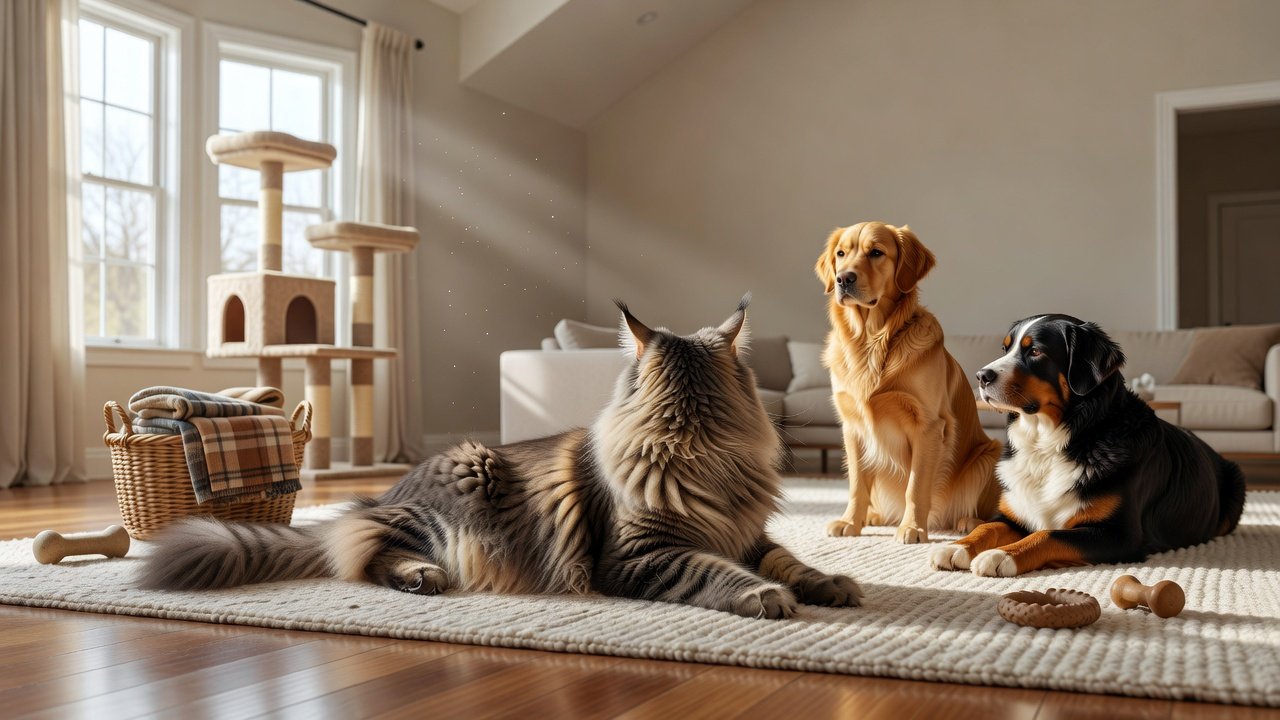
Why the Maine Coon Is Perfect for Large Homes
“`html
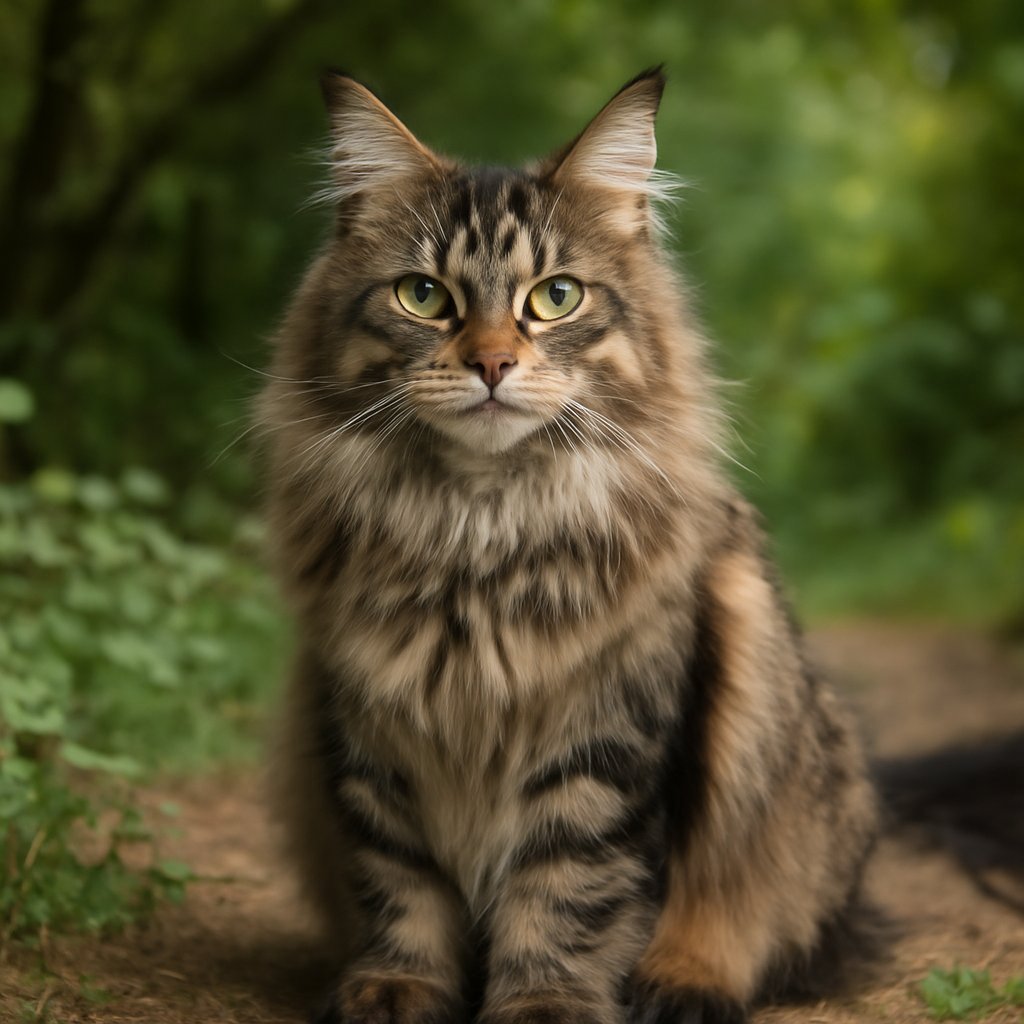
Maine Coons stand out as particularly well-suited to larger living spaces due to their substantial size and lively temperament. From a clinical standpoint, what owners miss here is how this breed’s physical scale directly influences musculoskeletal health and behavioral stability when space is limited.
In my years as a vet tech, I’ve seen this situation countless times with larger felines brought in showing stress-related overgrooming or compensatory weight gain after apartment confinement. Males commonly reach the upper end of the 10-to-25-pound range while females remain slightly smaller yet still outsized compared with most domestic cats. Their long, muscular frames and prominent tails require unobstructed pathways and elevated vantage points to move without restriction.
Physical characteristics such as those bushy tails and powerful hind limbs support natural climbing and territorial patrol behaviors. Vertical elements like wall-mounted shelves or sturdy cat trees become essential in any setting, but they truly shine in homes with open floor plans and multiple levels. Confining these cats to smaller quarters often correlates with increased reports of excessive vocalization and destructive scratching, patterns I’ve documented repeatedly during wellness exams.
Ample square footage allows Maine Coons to establish distinct territories, which reduces inter-pet tension when other animals share the household. Owners consistently note better weight maintenance through spontaneous activity in expansive environments. Their farm-cat ancestry in Maine translates into a high drive for interactive pursuits, including fetch games and toy chases that clicker-based training methods can shape effectively when there’s room to practice without collisions.
Daily exercise of at least thirty minutes benefits from puzzle feeders distributed across several rooms to stimulate natural foraging. In tighter quarters these cats tend toward lethargy, whereas larger layouts keep joints mobile and support cardiovascular conditioning. Their sociable nature also makes them responsive companions for children and other pets; group interactions flow more smoothly with escape routes available, lowering anxiety and improving training outcomes overall.
Thick, water-repellent coats demand consistent brushing, and spacious homes accommodate dedicated grooming stations without household disruption. This routine prevents matting while supporting dermatologic health. Breed predispositions to hypertrophic cardiomyopathy and hip dysplasia respond favorably to regular movement that maintains muscle tone around joints. Secure window access or enclosed outdoor runs in larger properties further aids weight control and mental engagement.
Annual veterinary assessments remain non-negotiable, paired with caloric intake of roughly 200 to 300 calories adjusted for activity. Strategic placement of multiple litter boxes encourages reliable elimination habits, while scratching posts in varied zones protect furnishings and promote claw health. These cats can reach up to 40 inches in total length, underscoring the need for roaming room. With proper exercise they average a 12-to-15-year lifespan, and data indicate noticeably lower obesity rates in homes exceeding 2,000 square feet.
Maine Coons form durable bonds with families and adapt readily to multi-level or yard-access properties. Consistent application of positive-reinforcement protocols, daily grooming, and proactive health monitoring creates environments where these cats flourish physically and behaviorally.
The relationship between Maine Coon cats and space extends beyond mere comfort—it directly impacts their cognitive development and emotional well-being. Research in feline behavior demonstrates that larger cats with higher activity requirements show measurable improvements in problem-solving abilities when provided with environmental enrichment across multiple zones. Maine Coons, being naturally intelligent and curious, benefit tremendously from having various spaces to explore, investigate, and master. In larger homes, owners can create “activity stations” in different rooms—one dedicated to climbing structures, another to interactive play, and yet another for quiet resting areas. This variety prevents boredom and the associated behavioral problems that often emerge in understimulated felines.
When considering whether a Maine Coon suits your household, evaluate not just the total square footage but also the vertical dimension of your living space. High ceilings and the ability to install wall-mounted cat shelves at varying heights can partially compensate for limited floor area, though open layouts remain ideal. Staircases in multi-story homes provide natural pathways for the athletic pursuits these cats instinctively pursue. One owner I consulted with successfully maintained a Maine Coon in a 1,500-square-foot home by leveraging a cathedral ceiling and installing a comprehensive wall-shelf system, though this required substantially more intentional design than traditional approaches.
The Maine Coon’s legendary friendliness and dog-like personality make them particularly suited to active households where they can participate in family life across multiple rooms. Unlike some cat breeds that prefer solitude, Maine Coons thrive on being integrated into household activities. In larger homes, they can follow family members from room to room while maintaining their own space when they need solitude. This flexibility reduces separation anxiety and strengthens the human-animal bond. Many owners report that their Maine Coons greet them at the door, follow them between rooms, and even learn to walk on harnesses for outdoor exploration—activities that flourish with adequate space.
Environmental enrichment options expand considerably in larger homes. Beyond basic climbing structures, consider constructing or purchasing window boxes where Maine Coons can bird-watch undisturbed, providing hours of mental stimulation. Tunnel toys, feather wands, and laser pointers can be deployed across different areas during play sessions. Some owners with spacious homes create dedicated “catio” areas—enclosed outdoor spaces that provide fresh air and natural stimulation while maintaining safety. These outdoor extensions become transformative for Maine Coons, offering the sensory experiences their farm-cat heritage encoded into their genetic makeup.
Temperature regulation represents another overlooked advantage of larger homes for this breed. Maine Coons, bred for the harsh New England climate, have thick coats that can lead to overheating in compact spaces with limited air circulation. Larger homes with better airflow and multiple temperature zones allow these cats to seek cooler areas during warm months. Providing access to tile floors, basement areas, or rooms with better ventilation helps prevent heat stress while accommodating their natural preference for diverse microclimates within their territory.
Nutrition planning becomes more sophisticated in larger homes where you can strategically position feeding stations to encourage movement. Rather than concentrating food and water in a single location, distributing them across the home requires Maine Coons to walk and explore, naturally increasing daily activity. Elevated feeders placed on cat trees or platforms encourage jumping and climbing during meals. This approach, combined with portion-controlled feeding and quality protein-rich diets formulated for active cats, supports optimal body condition better than traditional single-location feeding.
For families considering adding a Maine Coon to their household, prioritize homes with at least 1,500 to 2,000 square feet, ideally with multiple levels or very open floor plans. If your home is smaller but you’re committed to a Maine Coon, invest heavily in vertical space and environmental enrichment to compensate. Ensure your household’s energy level matches the breed’s needs—these aren’t passive lap cats but interactive family members who participate actively in household dynamics. The investment in proper space yields tremendous dividends in feline health, longevity, and behavioral stability over the cat’s lifespan.
Sources
“`