
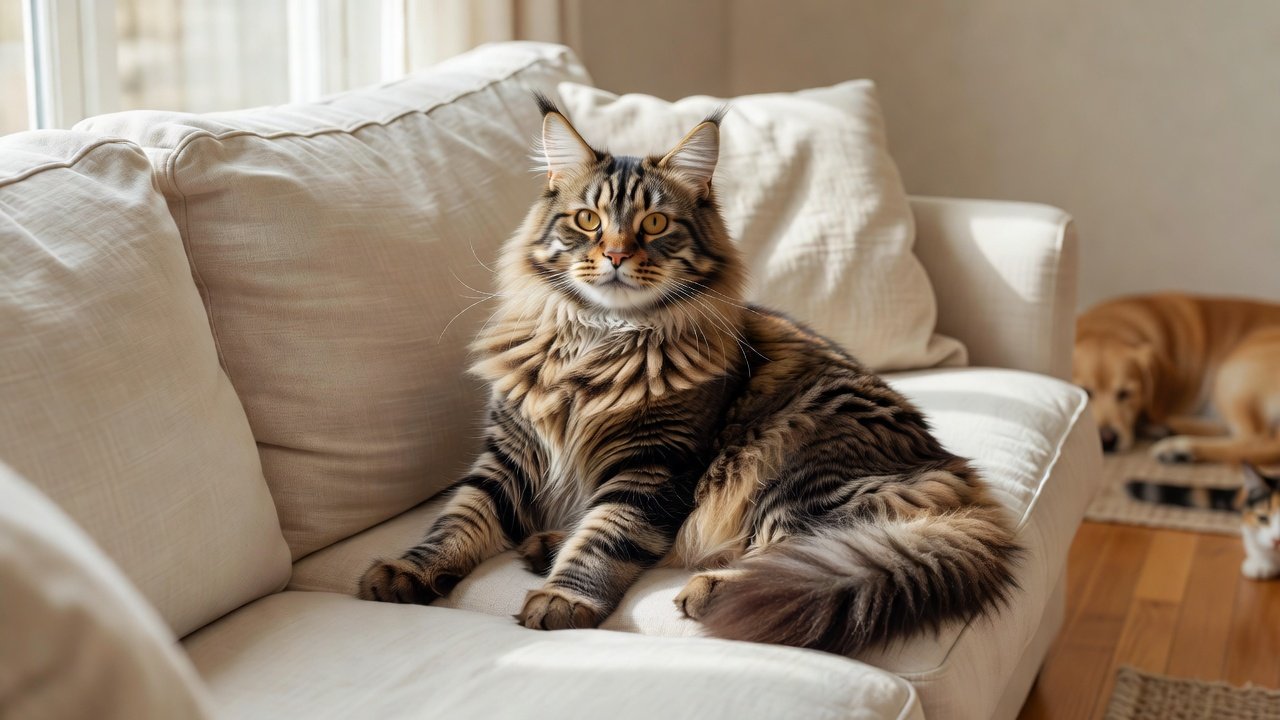
The Endearing Personality Traits of Maine Coon Cats
“`html
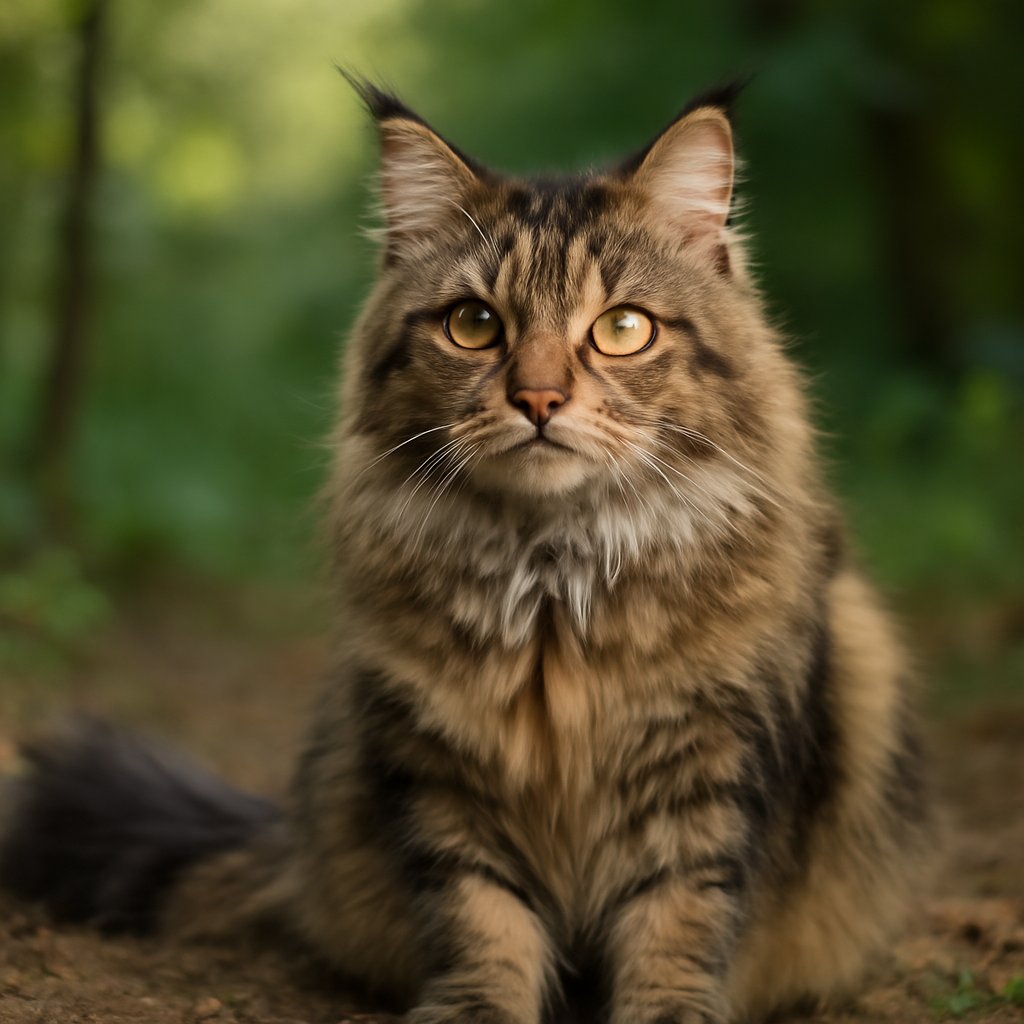
Bringing a Maine Coon into your home through adoption is one of those decisions that changes everything in the quietest, most profound ways. What every pet owner who’s adopted knows is that these large, fluffy companions often feel more like loyal dogs than typical cats, wrapping you in a gentle, loving presence that builds a bond stronger than you ever expected. My rescue cats have taught me that welcoming any feline with this kind of open heart starts with understanding their unique personality, and Maine Coons bring a special mix of friendliness and devotion that makes the journey so rewarding.
These cats form deep connections with their families, thriving on closeness and often trailing their favorite people from room to room. They curl up during movie nights or wait by the door for your return, offering the kind of quiet comfort that feels like emotional support in the best sense. Nurturing this loyalty comes naturally through daily moments like gentle brushing or simply sitting together, which deepens the trust that rescue animals already know how to give so freely once they feel safe.
Their intelligence shines through in the way they tackle puzzle feeders, interactive toys, and even simple training games, often fetching small items or figuring out how to open cabinets. That playful spirit lasts well into adulthood, with many enjoying water play and climbing. Rotating enrichment activities keeps their minds engaged, turning everyday life into something more vibrant for both of you and reminding us how adoption opens doors to these delightful surprises.
Maine Coons tend to be outgoing and welcoming, making them wonderful fits for homes with children or other pets. Their patient nature helps them adapt to new situations without much fuss, often becoming protective companions to smaller animals. What every pet owner who’s adopted knows is that this social side means they don’t love being left alone for long stretches, so planning for a companion pet or interactive options during the day supports their well-being and honors the emotional bonds that make rescue stories so special.
They communicate with soft chirps, trills, and gentle meows rather than loud demands, creating a peaceful presence that’s easy to live with. Paying attention to these subtle sounds helps you read their moods, whether it’s a happy trill signaling contentment or a quiet chirp inviting play. This calm style reflects their relaxed temperament overall, offering the kind of steady companionship that feels especially healing after the ups and downs of rescue journeys.
Despite their size, Maine Coons handle changes with grace, adapting to new routines or environments in ways that make them suitable for many lifestyles. Consistent feeding and play schedules, along with vertical spaces like shelves and cozy beds, help them feel secure. With love and patience, they reward you with years of gentle moments that brighten each day, just as my own rescue cats have shown me time and again that the right connection makes every challenge worthwhile.
One fascinating aspect of Maine Coon personality is their surprising gentleness despite their considerable size—these cats can weigh between 10 to 25 pounds, making them one of the largest domestic cat breeds. This gentle giant quality means they’re naturally cautious around delicate situations, rarely using their strength aggressively and showing remarkable restraint even when playing with smaller animals or young children. Their awareness of their own size seems almost intuitive, allowing them to navigate shared spaces with a consideration that larger dogs sometimes lack. This makes them ideal family cats who understand boundaries without extensive training, though consistent positive reinforcement still helps establish household rules.
Maine Coons have a particularly strong prey drive inherited from their working cat ancestors, who were originally brought to America on ships to control rodent populations. This means they often enjoy interactive play that mimics hunting behaviors—toys on strings, small moving objects, and games that involve stalking and pouncing engage their natural instincts in healthy ways. Providing appropriate outlets for these instincts through play sessions, feather wands, and puzzle games prevents destructive behaviors and keeps them mentally stimulated. The key is channeling this drive into positive activities rather than trying to suppress it entirely, which aligns with their nature and deepens your understanding of what makes them tick.
Their love of water sets Maine Coons apart from many other cat breeds, a trait that likely stems from their New England origins in a maritime environment. Many Maine Coons will happily drink from running water sources, play with water from faucets, or even enjoy shallow water play. Some owners find success introducing their Maine Coons to controlled water experiences like fountains or shallow basins, which provides enrichment and satisfies this unique interest. This quirk sometimes extends to their grooming habits and curiosity about bathing, making them more adaptable than most cats if ever medical baths become necessary.
The Maine Coon’s social nature also means they tend to be excellent “people watchers” who enjoy being near family members even when not actively seeking attention. They’re content to sit in the same room while you work, read, or relax, offering companionship without demanding constant interaction. This quality makes them particularly suitable for people who work from home or have flexible schedules, as well as for families where there’s usually someone around. Their presence becomes like that of a faithful shadow—comforting and constant without being intrusive or demanding.
Training a Maine Coon is remarkably straightforward compared to other cat breeds, largely due to their intelligence and eagerness to please. Beyond basic litter training, many Maine Coons can learn to come when called, sit on command, use the toilet, and walk on a harness. Positive reinforcement through treats, praise, and play works exceptionally well with this breed, and they seem to genuinely enjoy the mental challenge of learning new things. This trainability opens up possibilities for interactive engagement that goes beyond typical cat ownership, making the relationship feel more collaborative and rewarding.
Their grooming needs are substantial, requiring daily brushing to prevent matting in their long, thick coat. Many Maine Coons actually enjoy the grooming process, viewing it as bonding time with their favorite humans. Establishing a regular grooming routine early helps prevent uncomfortable mats while strengthening your connection. The shedding is significant during seasonal changes, but consistent brushing actually reduces the amount of hair left around your home and keeps their coat healthy and beautiful. For many owners, this grooming time becomes a cherished ritual that reinforces the close bond these cats naturally develop with their families.
Understanding these personality traits helps potential Maine Coon adopters make informed decisions about whether this breed fits their lifestyle and home environment. Their need for space to move, mental stimulation, social interaction, and grooming maintenance means they do best in homes where owners can commit to meeting these specific needs. But for those who can provide these things, Maine Coons offer an unparalleled combination of affection, intelligence, and gentle companionship that makes every moment with them feel genuinely special.
Sources
“`