
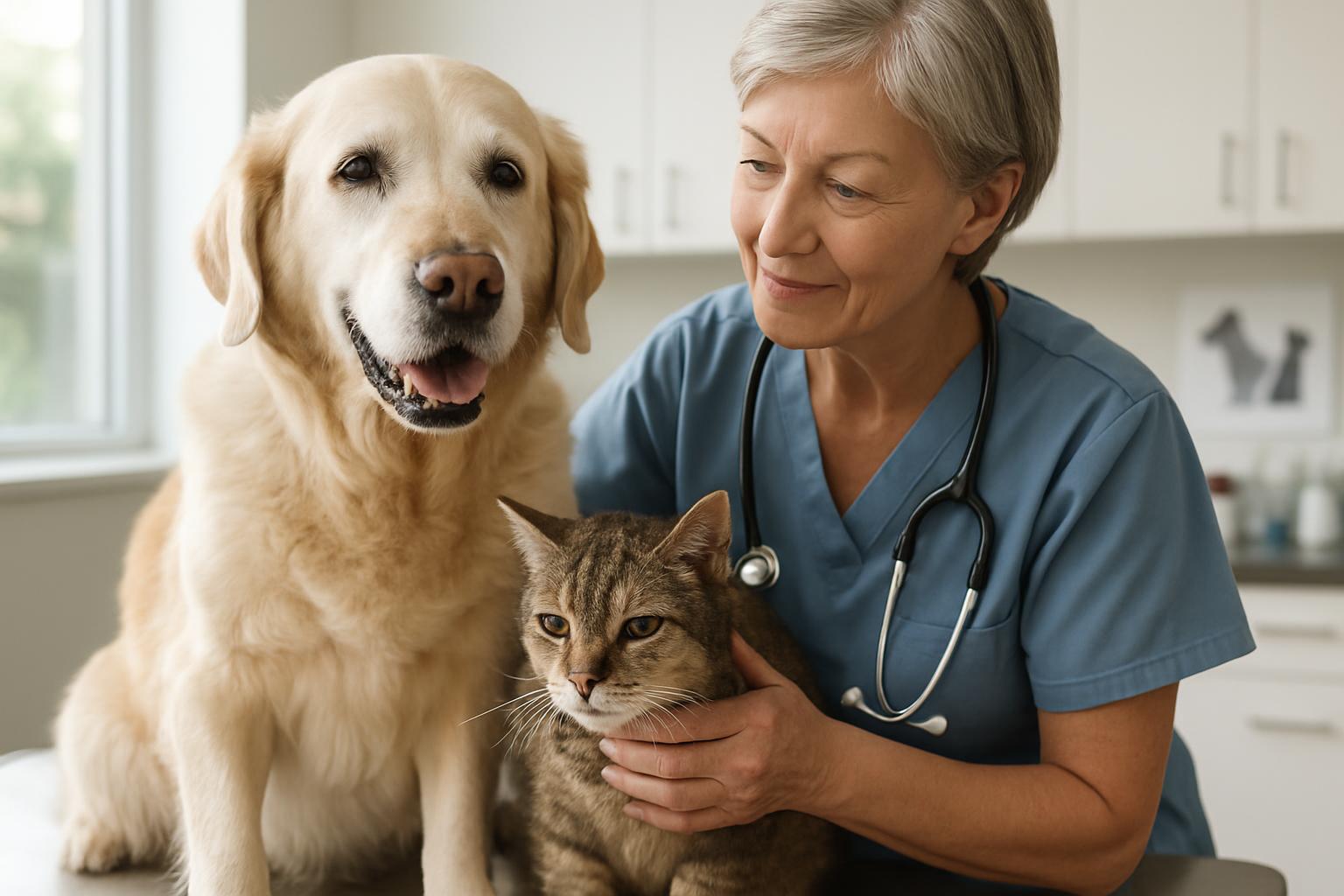
Benefits of Regular Veterinary Checkups for Senior Pets
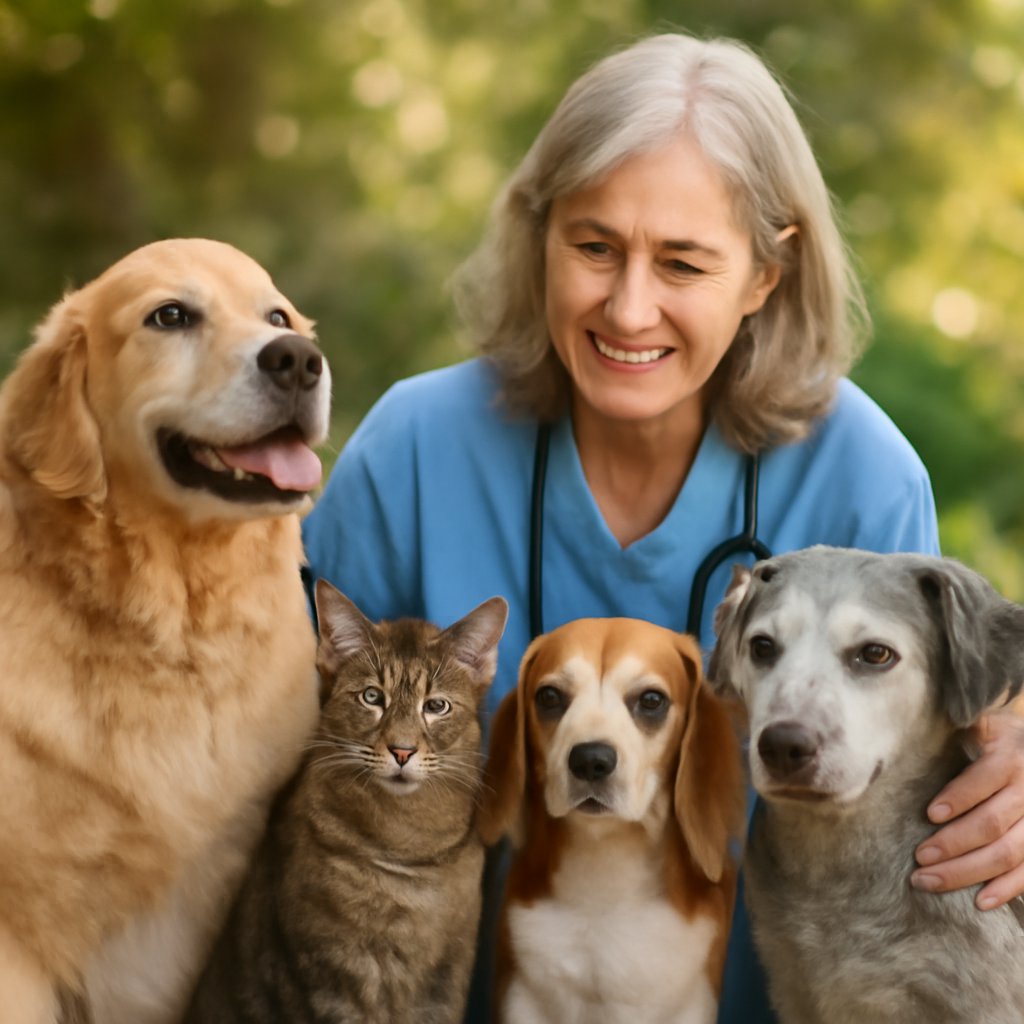
As someone who’s opened her home to rescue cats over the years, I’ve seen firsthand how regular veterinary checkups become lifelines for our senior companions. Pets are typically considered seniors around seven years or older depending on breed and size, and they grow more vulnerable to issues like arthritis, kidney disease, and dental problems. What every pet owner who’s adopted knows is that these visits aren’t just appointments—they’re quiet acts of love that honor the bond we share with animals who’ve already navigated uncertain beginnings.
My rescue cats have taught me that older pets often mask discomfort until it’s advanced, which makes those routine exams so vital for catching concerns early. Vets run bloodwork, urinalysis, and tailored physical checks that spot breed-specific risks, from hip dysplasia in larger dogs like German Shepherds to hyperthyroidism in Siamese cats. Catching subtle signs of cognitive changes in dogs, for instance, can lead to simple adjustments that keep their minds sharp. These checkups also screen for cancer, heart murmurs, and vision loss, helping us avoid bigger emergencies down the road while supporting breeds like Bulldogs with their unique respiratory needs.
Many adopted seniors arrive with chronic conditions already in play, and consistent veterinary care gives us the tools to manage them gently. Adjustments for arthritis through supplements or therapy, special diets for kidney disease in cats, or dental cleanings that protect overall health become part of the rhythm. Weight management plans, updated vaccinations, and even behavioral tips for easing anxiety fit naturally into these visits, cutting down on sudden crises. It’s the kind of proactive approach that reflects rescue culture at its best—giving animals who’ve waited for homes the steady support they deserve.
Beyond the medical side, these appointments open conversations about nutrition, gentle exercise, and home tweaks that truly enhance daily life. Ramps for stiff joints in dogs like Boxers or raised feeding stations for older cats help them stay comfortable and engaged. They also create space to discuss pain relief and end-of-life wishes, adding meaningful years through prevention. The emotional payoff is real: that steady partnership between vet and family deepens the quiet joy we feel watching our rescues thrive.
Key facts remind us why this matters so much. Over half of senior dogs and cats live with at least one chronic issue that annual tests can reveal. Early care often extends their time with us by one to three years. Dental disease touches 70 to 80 percent of pets over seven, while arthritis affects up to 80 percent of older dogs, especially Labs and German Shepherds. Regular visits lower emergency costs by 30 to 40 percent through steady oversight.
For senior pets, the frequency of veterinary visits shifts from what works for younger animals. While adult pets typically benefit from annual checkups, veterinarians recommend that senior pets visit twice a year—ideally every six months. This increased frequency allows vets to monitor changes more closely and catch potential problems before they become serious. Some pets with existing conditions may need even more frequent visits, and your veterinarian can recommend a schedule tailored to your individual pet’s needs. This semi-annual rhythm creates a safety net that catches subtle shifts in health that might slip through the cracks of yearly appointments alone.
During these enhanced checkups, veterinarians perform a more thorough assessment than typical wellness visits. Blood pressure screening becomes increasingly important as senior pets are prone to hypertension, which can silently damage organs like kidneys and hearts. Comprehensive metabolic panels check organ function, thyroid levels, and blood glucose—revealing issues before symptoms appear. Urinalysis screens for urinary tract infections and kidney problems, which are especially common in older cats. Orthopedic exams assess joint mobility and pain levels, informing decisions about pain management strategies. Some vets also recommend dental X-rays to catch tooth root infections and bone loss that don’t show on visual inspection alone.
The role of nutrition cannot be overstated when caring for aging pets. Senior formulas are specifically designed with lower calories to prevent obesity, which strains aging joints and organs, while higher fiber content supports digestive health. Prescription diets exist for pets with kidney disease, heart conditions, or digestive sensitivities—conditions that become increasingly common with age. During veterinary visits, your vet can assess your pet’s current diet and recommend adjustments based on bloodwork results and physical condition. Feeding senior pets smaller, more frequent meals can also improve digestion and prevent bloating, which is especially important for deep-chested dog breeds prone to gastric issues.
Cognitive dysfunction in senior dogs deserves special attention during checkups. Similar to dementia in humans, canine cognitive dysfunction affects memory, awareness, and behavior. Signs include disorientation, changes in sleep patterns, loss of house training, and decreased interest in interaction. Your vet can discuss medications and supplements like SAMe and vitamin E that may slow cognitive decline. Environmental enrichment—puzzle feeders, varied walking routes, and gentle training exercises—keeps aging brains engaged. Discussing these signs with your vet early allows for interventions that can meaningfully improve quality of life.
Pain management evolves as pets age, and veterinary checkups are essential for reassessing comfort levels. While arthritis is most obvious, older pets may experience pain from cancer, dental disease, or internal organ issues. Modern pain management offers multiple approaches: nonsteroidal anti-inflammatory drugs (NSAIDs) for arthritic pain, gabapentin for nerve pain, opioids for severe discomfort, and even acupuncture or laser therapy for certain conditions. Your vet can discuss the risks and benefits of each approach, creating a pain management plan that balances comfort with quality of life.
Senior pets also face increased risks from infections and compromised immune function. Updated vaccinations protect against diseases like influenza and bordatella in dogs, which spread more easily in older animals with weaker immune systems. Cats benefit from continued feline leukemia and rabies protection. Your vet will assess which vaccinations remain necessary based on your pet’s lifestyle and risk factors, ensuring protection without over-vaccination.
Home safety becomes increasingly important as pets age, and veterinary visits provide opportunities to discuss modifications. Non-slip flooring helps arthritic pets maintain footing, while orthopedic beds support aging joints and ease pressure sores. Nightlights help pets with vision loss navigate safely, and baby gates can restrict access to stairs that become difficult to climb. For cats, litter boxes with lower sides accommodate stiff joints, while water fountains encourage hydration in older felines. Your veterinarian can offer specific suggestions based on your pet’s mobility and sensory changes.
The financial aspect of senior pet care is worth addressing openly. While regular checkups and preventive care require investment, they consistently save money by preventing expensive emergency visits and hospitalizations. A pet with early-stage kidney disease caught at a checkup can manage the condition for years with dietary adjustments, avoiding emergency treatment for acute kidney failure. Dental cleanings prevent infections that could require tooth extractions or antibiotics. Cancer caught early often responds better to treatment. Think of regular veterinary care as an investment in both your pet’s wellbeing and your financial peace of mind.
End-of-life planning conversations with your veterinarian, while difficult, bring clarity and compassion to your senior pet’s final chapter. Discussing quality of life markers, pain assessment tools, and euthanasia options before crisis hits allows families to make decisions aligned with their values. Many vets offer at-home euthanasia services, allowing pets to pass peacefully in familiar surroundings surrounded by loved ones. These conversations honor the journey you’ve shared with your rescue senior.
In the end, folding these checkups into life with an adopted senior pet weaves together health, comfort, and the deep connection we build with animals who’ve found their way home. It’s one of the simplest ways we repay the unconditional love they offer every single day.
Sources
- AKC – Senior Dog Care Guide
- ASPCA – Wellness and Preventive Care
- VCA Animal Hospitals – Senior Pets Care Information
- Benefits of Regular Veterinary Checkups for Pets
- Health Benefits of Regular Dental Care for Dogs
- Benefits of Dental Care for Pet Health
- Nutritional Needs for Senior Dogs and Cats
- Common Health Issues Affecting Senior Dogs Today