
How to Train a Cat to Use Litter
Training a cat to use a litter box stands as one of the foundational skills every new cat owner needs to master, and when done right it supports a clean, low-stress household for both you and your feline. Whether you’re starting with a kitten or an adult cat, success hinges on respecting natural feline elimination instincts, setting up the right physical environment, and applying consistent positive reinforcement. From a clinical standpoint, what owners miss here is how quickly a mismatch between setup and instinct can create avoidance behaviors that then require weeks to unwind.
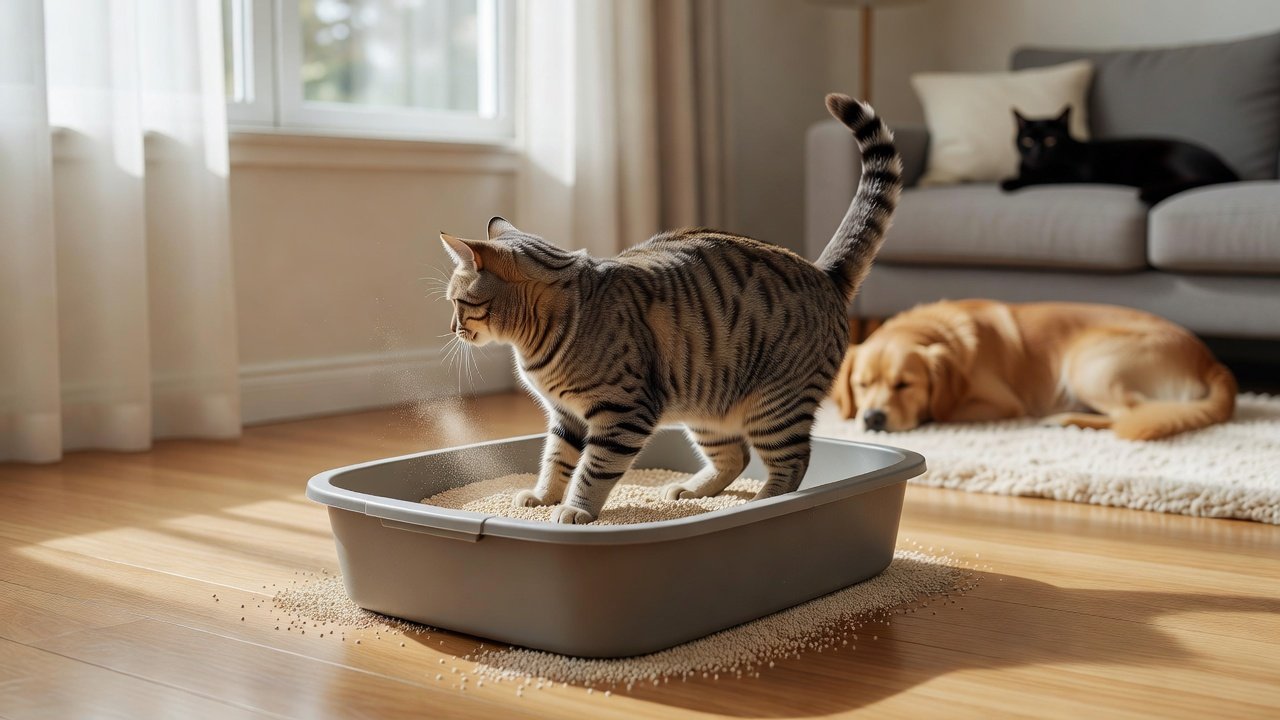
Selecting appropriate equipment forms the foundation of effective litter box training for cats. Cats are naturally clean animals that prefer to bury their waste, so the box and litter must mimic their instincts while remaining easy to maintain. When beginning litter training, choose a box that is at least one and a half times the length of your cat. Open-top boxes often work best for beginners because they allow easy access without lids that might trap odors or feel confining. For multi-cat households, provide one box per cat plus an extra to prevent territorial disputes that could derail training progress. In my years as a vet tech, I’ve seen this situation countless times where owners under-provision boxes and then blame the cat for soiling elsewhere.
Clumping clay litters are popular for their odor control and ease of scooping, but some cats prefer unscented, natural options like pine or corn-based litters. Start with a fine-grained, unscented litter to avoid overwhelming sensitive noses. Avoid litters with strong perfumes during initial training sessions, as these can discourage use and slow down the learning process. Training methodology here draws directly from behavioral principles we use across species: the substrate must feel rewarding to the animal’s paws and nose from the first contact.
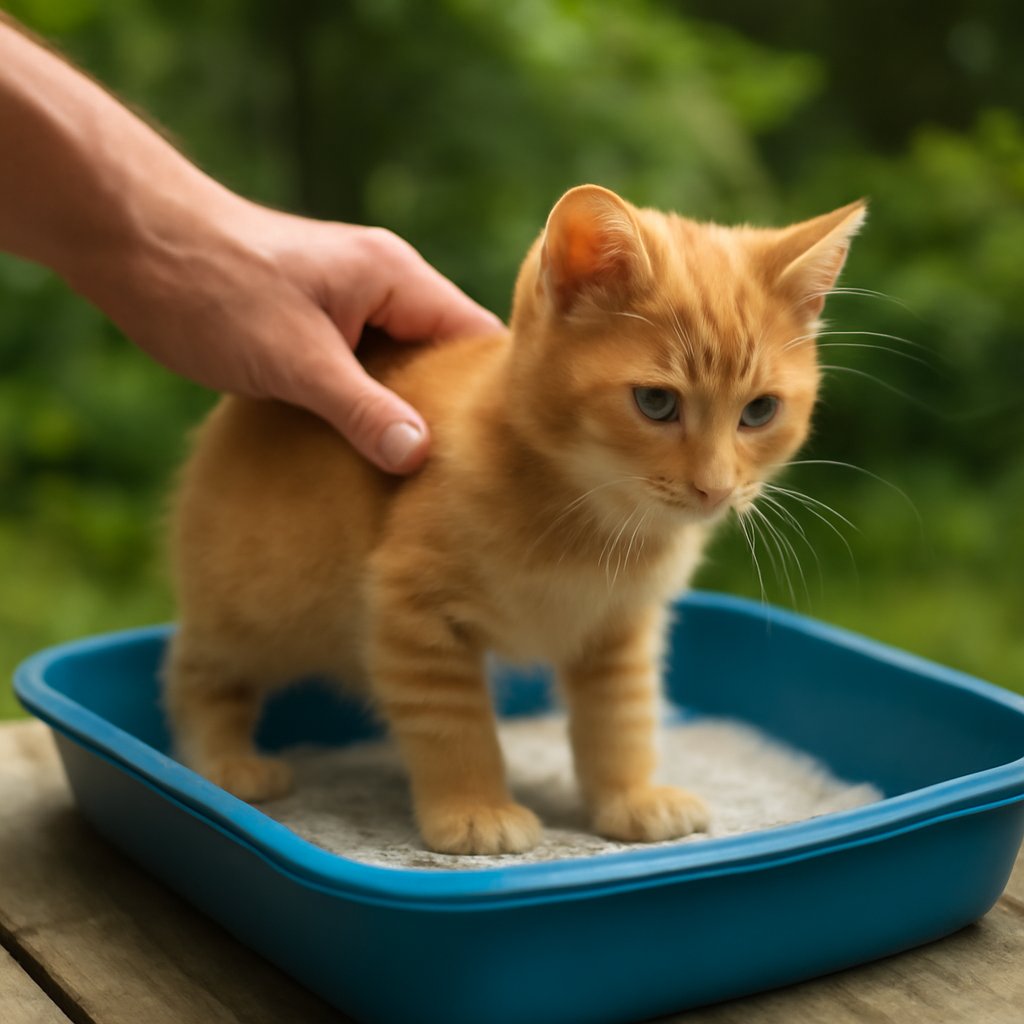
The actual process of litter training requires patience and consistency. Most cats learn quickly when the environment supports their natural behaviors. Place the litter box in a quiet, accessible area away from food and water bowls. Avoid high-traffic zones or rooms with sudden noises. For kittens, confine them to a small room with the box initially so they can easily find it after meals or naps, which naturally trigger elimination needs. Positive reinforcement works best immediately after successful use—offer calm praise, gentle petting, or a small treat. Never punish accidents, as this creates fear and may lead to avoidance of the box altogether. Instead, clean any messes with enzymatic cleaners that remove scents completely, preventing repeat incidents in the same spot.
Once consistent use is established, slowly expand your cat’s access to other areas of the home while continuing to monitor behavior. If setbacks occur, return to a smaller space temporarily. Daily scooping and weekly full litter changes keep the box inviting and support long-term success. From a clinical standpoint, what owners miss here is that inconsistent maintenance is often the hidden trigger behind sudden relapses rather than any flaw in the cat itself.
Even with careful preparation, some cats experience difficulties during litter box training. Recognizing and resolving these issues promptly ensures continued progress. If your cat stops using the box, first rule out medical causes such as urinary tract infections by consulting a veterinarian. Environmental factors like a dirty box, changed litter type, or new stressors in the home can also trigger avoidance. Experiment with different litter textures or add a second box in another location to identify preferences. Older cats may need lower-entry boxes or larger spaces for easier access. Cats with mobility issues benefit from shallow litter depths and ramps if necessary. Consistent routines remain key, as sudden changes can confuse cats that have already mastered litter box training.
Approximately 75% of cats can be successfully litter trained within one week when provided with the correct setup and positive reinforcement. Improper litter box maintenance is the leading cause of house soiling, accounting for over 60% of reported behavioral issues in domestic cats. Cats prefer litter boxes that are scooped at least once daily, with full changes recommended every 7 to 10 days to maintain hygiene. Multi-cat homes require a minimum of one litter box per cat plus one additional box to reduce stress-related elimination problems. Using unscented, clumping litter increases successful training rates by up to 40% compared to heavily fragranced alternatives.
Mastering litter box training creates a harmonious living environment and strengthens the bond between you and your pet. By focusing on the right equipment, following a structured training approach grounded in behavioral science, and addressing challenges with patience, most cats adapt quickly and maintain excellent litter box habits throughout their lives. Consistent care and observation remain the secrets to lasting success in litter box training for cats of any age.