
How to Prevent Obesity in Indoor Cats
“`html
Preventing obesity in indoor cats really comes down to a proactive, hands-on approach to their diet, exercise routines, and overall lifestyle. From a clinical standpoint, what owners miss here is how quickly limited movement and constant food access compound in a home setting, turning routine weight checks into essential preventive care. In my years as a vet tech, I’ve seen this situation countless times with indoor-only patients whose owners didn’t notice the gradual changes until diabetes or joint issues had already set in.
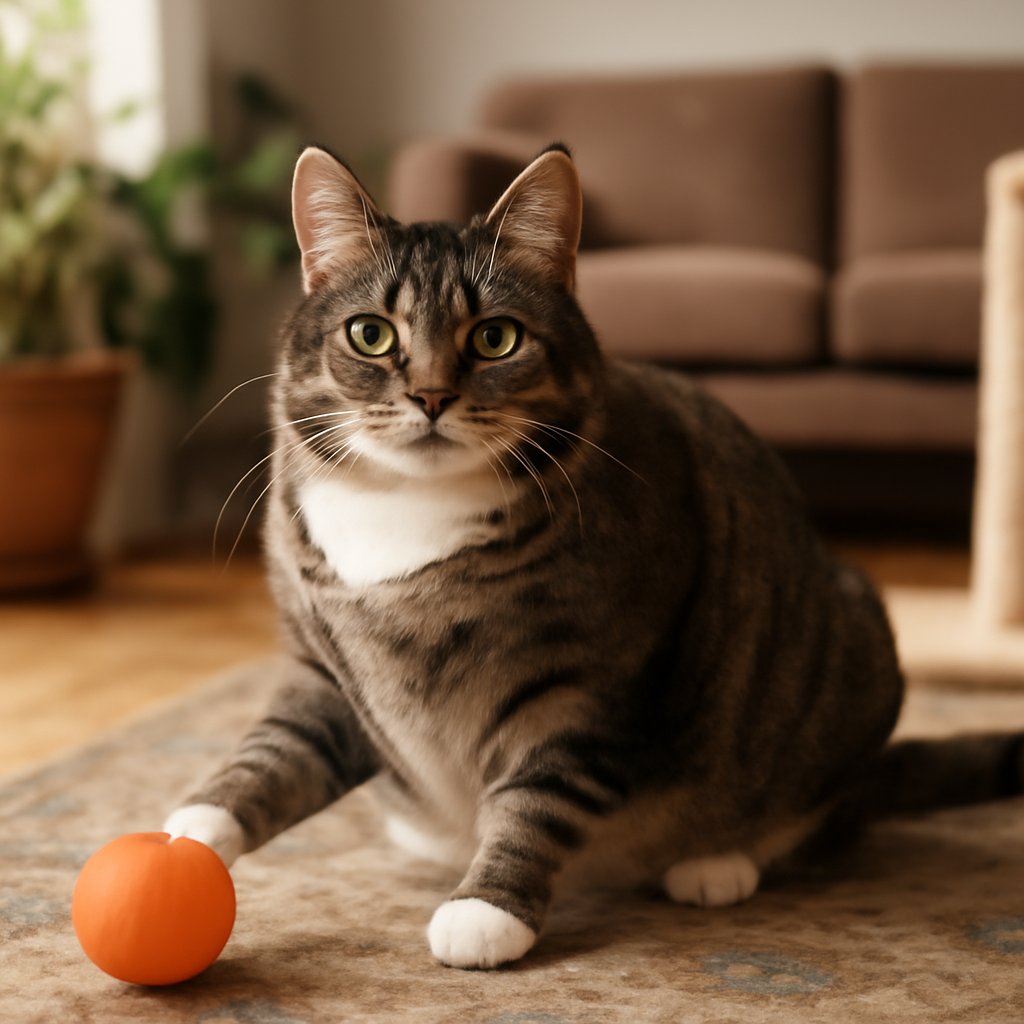
Indoor cats face elevated risks because their daily environment rarely provides the hunting or roaming that outdoor cats get naturally. Age, breed tendencies like the slower metabolism often seen in British Shorthairs, and neutering all play roles in appetite and calorie burn. Early signs such as ribs that are hard to palpate or a lost waistline call for immediate action. Veterinary data shows obesity shortens lifespan by raising chances of diabetes, arthritis, and cardiac disease, so tracking body condition score at home builds the base for real prevention.
Understanding your cat’s body condition score is foundational to prevention. The body condition score (BCS) scale runs from 1 to 9, with 5 being ideal. At an optimal score, you should be able to feel the ribs easily when you gently press your cat’s sides, see a visible waist when viewed from above, and observe an abdominal tuck when looking from the side. A score of 6 or higher signals overweight status that warrants dietary adjustment. Many owners inadvertently overfeed because they associate plumpness with health, but this misconception can cut years off a cat’s life. Learning to assess your cat’s condition monthly helps catch gradual weight gain before it becomes problematic.
Nutrition forms the core of any weight control plan. I always recommend measured portions of indoor or weight-management formulas using a kitchen scale rather than free-feeding. Splitting meals into two or three smaller servings better matches feline grazing instincts while keeping calories in check. Treats should stay under 10 percent of daily intake, with low-calorie swaps like green beans or dental varieties working well. As cats age, switching to senior or light diets aligns with shifting metabolism, and fresh water supports digestion. A quick vet consult for individualized plans avoids crash approaches that stress the liver.
The type of food you choose significantly impacts weight management outcomes. High-protein, low-carbohydrate diets often work better for cats than grain-heavy formulas, since cats are obligate carnivores whose digestive systems evolved to process meat rather than plant material. Prescription weight-management foods from veterinary clinics typically contain elevated fiber levels that promote satiety while reducing overall calorie density, meaning your cat feels fuller on fewer calories. Wet food can be advantageous over dry kibble because it contains more moisture, which aids hydration and often provides better portion control. Some owners find success mixing wet and dry food, using the wet portion to bulk up meals volumetrically while keeping calories moderate. Reading ingredient labels and understanding that “light” or “senior” formulas aren’t automatically lower in calories helps ensure you’re making informed choices aligned with your cat’s specific needs.
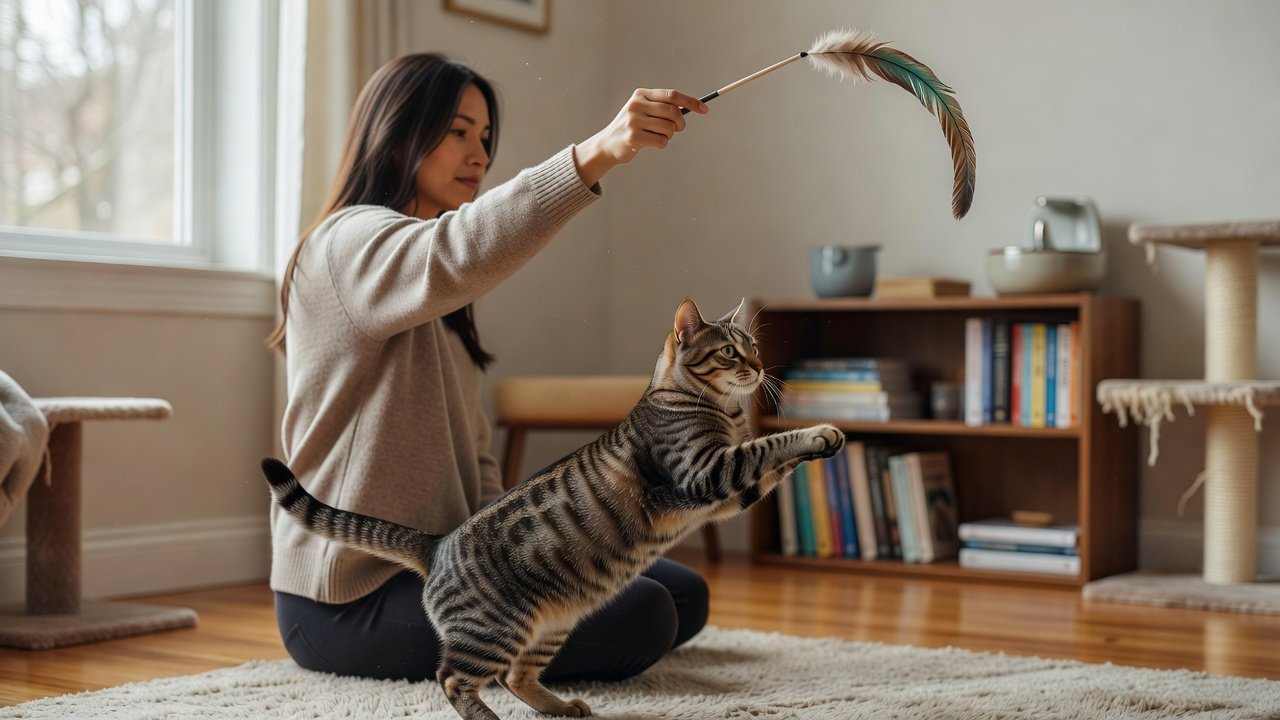
Physical activity and enrichment matter just as much for calorie burn and muscle tone. Short, focused play sessions with wand toys or puzzle feeders, totaling 15 to 20 minutes daily, tap into natural stalking behaviors. Vertical options like cat trees and window perches encourage exploration without extra space. Basic positive-reinforcement training such as sit or high-five strengthens the bond and adds movement. In multi-cat homes, separate stations cut stress-related overeating. Automatic toys or outdoor bird views keep stimulation going when no one is home. Consistent schedules prevent boredom snacking that derails progress.
Creating an enriched environment goes beyond basic toys. Consider installing shelving or wall-mounted perches that encourage climbing, which burns calories while satisfying natural climbing instincts. Window perches positioned near bird feeders provide mental stimulation that can occupy your cat for extended periods, reducing the appeal of food-seeking behaviors. Interactive laser pointers or feather wands can turn exercise into bonding time, while puzzle feeders make eating itself an activity rather than a passive consumption event. Some owners have success with clicker training, which combines physical activity with mental engagement and strengthens the human-cat relationship. Even rearranging furniture periodically creates a new environment for exploration, which provides novelty without requiring additional resources.
Environmental factors also influence indoor cat obesity rates. Temperature plays a surprising role—cats in warmer homes may be more sedentary than those in cooler environments, since maintaining body temperature in cooler conditions requires additional calorie expenditure. Seasonal changes in daylight can affect activity levels, particularly in winter months when outdoor cues diminish. Some cats benefit from timed treat dispensers that portion out rewards throughout the day, creating activity and anticipation rather than allowing owners to give treats randomly based on guilt or habit. Lighting that mimics natural daylight cycles can help regulate activity patterns and metabolism.
Veterinary surveys indicate about 60 percent of U.S. indoor cats are overweight or obese. Neutered indoor cats carry two to three times the obesity risk compared with intact outdoor ones. Weighing every three months can lower related vet visits by up to 40 percent. Obese cats face four times the likelihood of type 2 diabetes, and enrichment alone can add 150 to 200 calories burned daily.
The metabolic changes that occur after spaying or neutering deserve particular attention, as they represent a major turning point in a cat’s weight trajectory. Neutering reduces testosterone and estrogen, hormones that naturally boost metabolism. Additionally, the procedure often reduces activity levels as cats recover and settle into domesticated routines. Research suggests neutered cats require approximately 25 to 30 percent fewer calories than their pre-neutering intake, yet many owners continue feeding the same portions. Adjusting food quantities within the first week after surgery, rather than waiting for weight gain to occur, represents a proactive prevention strategy.
Managing weight loss in cats that have already become overweight requires patience and veterinary guidance. Rapid weight loss in cats can trigger hepatic lipidosis, a serious liver condition, so gradual reduction of 1 to 2 percent of body weight per week represents a safe target. A 10-pound cat should lose approximately 1.5 to 3 ounces weekly, which sounds minimal but compounds over months. Prescription weight-loss diets combined with increased activity and behavioral adjustments typically yield the best results. Some veterinarians recommend monitoring weight loss through body condition scoring rather than relying solely on the scale, since muscle gain from increased activity can offset fat loss initially.
The role of stress in feline obesity shouldn’t be overlooked. Anxious or bored cats often turn to food for comfort, making environmental enrichment and anxiety reduction directly relevant to weight management. Multi-cat households where competition exists around food bowls may cause some cats to overeat defensively, justifying the recommendation for separate feeding stations. Similarly, cats experiencing changes in their household—new pets, moving, schedule shifts—may exhibit stress-related appetite changes requiring dietary adjustment.
Combining precise nutrition, steady activity, and regular monitoring keeps indoor cats healthy long-term. Partnering with a veterinarian lets plans adapt as needs change, supporting vitality without excess weight. Setting realistic goals, celebrating progress, and maintaining consistency transforms weight management from a frustrating struggle into a sustainable lifestyle that extends both the quantity and quality of your indoor cat’s years.
Sources
“`