
Animals That Start With N: Narwhals, Numbats, Naked Mole Rats & Conservation Stories
Animals That Start With N: From Arctic Giants to Tiny Marsupials
\n
Exploring animals that start with N reveals some of the planet’s most specialized and fascinating creatures. From the icy Arctic waters to the forests of Madagascar and the volcanic landscapes of Hawaii, these animals showcase incredible adaptations that have allowed them to thrive in diverse environments. As a pet lifestyle writer and rescue cat owner, I’ve always been drawn to the unique personalities in the animal world—whether in our homes or in the wild. These N-starting species remind us of nature’s endless creativity and the importance of protecting biodiversity.
\n

\n\n
Narwhal: The Arctic Unicorn
\n
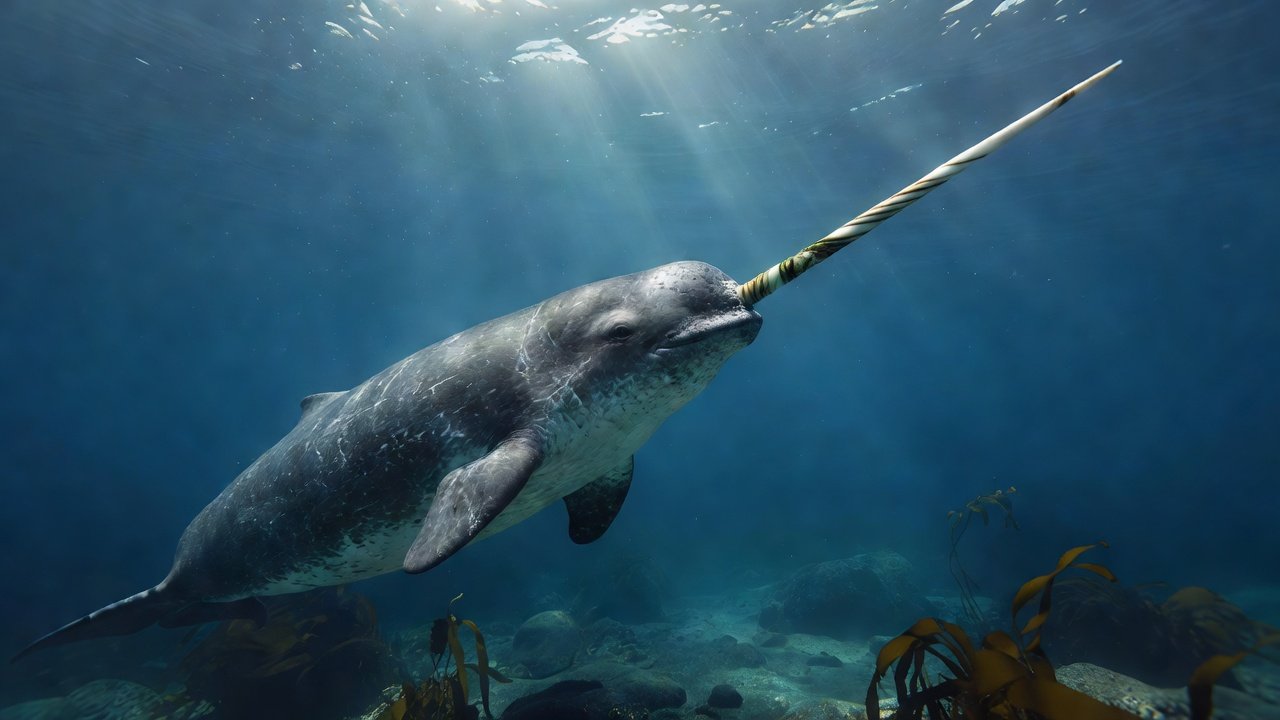
The narwhal is famous for its long, spiraled tusk, which is actually an elongated tooth that can grow up to 10 feet. Males primarily use it for social displays and sensing environmental changes. These whales live in pods in the Arctic Ocean, diving deep for fish, squid, and shrimp. Their populations are monitored by organizations like the World Wildlife Fund (WWF) due to climate change impacts on sea ice. National Geographic has produced extensive documentation of their migrations and behaviors, highlighting their vulnerability to warming oceans.
\n\n
Other Notable Marine N Animals
\n
- \n
- Nautilus: These “living fossils” have chambered shells unchanged for hundreds of millions of years. They use jet propulsion and have up to 90 tentacles for feeding. The Smithsonian Institution notes their slow growth and long lifespan make them sensitive to overfishing.
- Nurse Shark: Bottom-dwelling sharks with distinctive barbels that help them find food in murky waters. They are relatively docile and often featured in aquarium touch pools, educating visitors about shark conservation.
\n
\n
\n\n
Numbat: Australia’s Striped Termite Hunter
\n
The numbat is a small, striped marsupial that is active during the day—unusual for its kind. It consumes up to 20,000 termites daily using its long, sticky tongue. Once widespread, numbats are now endangered and confined to protected areas in Western Australia. Conservation breeding and habitat restoration by groups like WWF have helped stabilize some populations. Their solitary nature and specialized diet make them a unique example of Australian wildlife diversity.
\n\n
Naked Mole Rat: The Eusocial Underground Dweller
\n
Naked mole rats live in large colonies with a queen, similar to ants or bees. These hairless rodents are nearly blind, feel little pain from certain chemicals, and show remarkable cancer resistance. Their eusocial structure and longevity make them valuable subjects for scientific study at institutions like the Smithsonian. While not typical pets, they highlight the incredible variety of mammalian social behaviors.
\n\n
Nightingale: Master of the Night Song
\n
Known for its incredibly complex and beautiful song, the nightingale sings through the night during breeding season. Both males and females vocalize, with males producing over 200 different song variations. These plain-looking birds migrate long distances between Africa and Europe. Their cultural significance in literature and music spans centuries, and they serve as indicators of healthy woodland habitats.
\n\n
Nene: Hawaii’s Resilient State Bird
\n
The nene, or Hawaiian goose, is a conservation success story. Once down to just 30 individuals in the 1950s, captive breeding programs have increased their numbers to over 3,000. Adapted to volcanic terrain with partially webbed feet, they graze on grasses and berries. The Audubon Society and local partners continue to protect nesting sites from predators and human disturbance. Their recovery demonstrates the power of dedicated conservation efforts.
\n\n
Newts and Other Amphibians Starting With N
\n
Newts are semi-aquatic salamanders popular in the pet trade when captive-bred. Species like the eastern newt have complex life cycles involving aquatic larvae, terrestrial juveniles (efts), and aquatic adults. They require specific tank setups with both land and water areas. Responsible keepers always choose captive-bred animals to avoid impacting wild populations. Their ability to regenerate limbs fascinates researchers.
\n\n
Conservation and Appreciation of N Animals
\n
Many animals starting with N face threats from habitat loss, climate change, and human activity. Supporting organizations like the AZA (Association of Zoos and Aquariums), WWF, National Geographic, and the Smithsonian helps fund protection and research. Zoos play a key role in breeding programs for species like the nene and education about narwhals and numbats.
\n
For pet owners, learning about these animals can inspire more sustainable lifestyles and greater empathy for all wildlife. Whether observing birds in your backyard or visiting accredited zoos, appreciating these unique species strengthens our connection to the natural world.
\n\n
Sources
\n
- \n
- World Wildlife Fund (WWF) – Narwhal, Numbat, and Nene Conservation
- National Geographic – Narwhal and Marine Species Profiles
- Smithsonian’s National Zoo – Naked Mole Rat Research
- Audubon Society – Nightingale and Bird Conservation
- Association of Zoos and Aquariums (AZA) – Breeding and Education Programs
\n
\n
\n
\n
\n
\n
\n\n\n
Related Posts
\n
- \n
- 20 Amazing Animals That Start with N: Facts & Photos
- Bug Bag Tips Every Pet Owner Needs for Outdoor Fun
- Are Spiders Animals? What Every Pet Owner Should Know
- Zoo Animals: Fascinating Facts and Care Tips
- Baby Animals
\n
\n
\n
\n
\n
\n
Nightjar: The Nocturnal Insect Hunter
Nightjars are perfectly adapted for twilight and nocturnal hunting, with enormous mouths that snap shut around flying insects in mid-air. Their cryptic plumage provides excellent camouflage against tree bark and ground vegetation. These medium-sized birds are found across multiple continents and produce haunting, repetitive calls during breeding season. Despite their abundance in some regions, nightjar populations are declining due to habitat loss and light pollution, which disrupts their nocturnal feeding patterns and breeding cycles. Conservation efforts focus on protecting grasslands and open woodlands where these specialized hunters thrive.
\n\n
Narwhal Relatives and Arctic Marine Biodiversity
\n
Beyond the famous narwhal, the Arctic Ocean supports a complex web of N-named species adapted to extreme cold and seasonal ice. Beluga whales, while not starting with N, often share the same icy habitats as narwhals and face similar climate pressures. Understanding these interconnected ecosystems helps researchers predict how warming Arctic waters will affect entire food webs. Marine scientists emphasize that protecting narwhals means protecting their entire Arctic environment, from the plankton they indirectly depend on to the ice shelves that define their seasonal migrations. This holistic approach to conservation ensures that studying one charismatic species like the narwhal ultimately benefits countless other Arctic inhabitants.