
Baby Animals in Zoos & Sanctuaries: Conservation Stories & Cuteness Science
\n
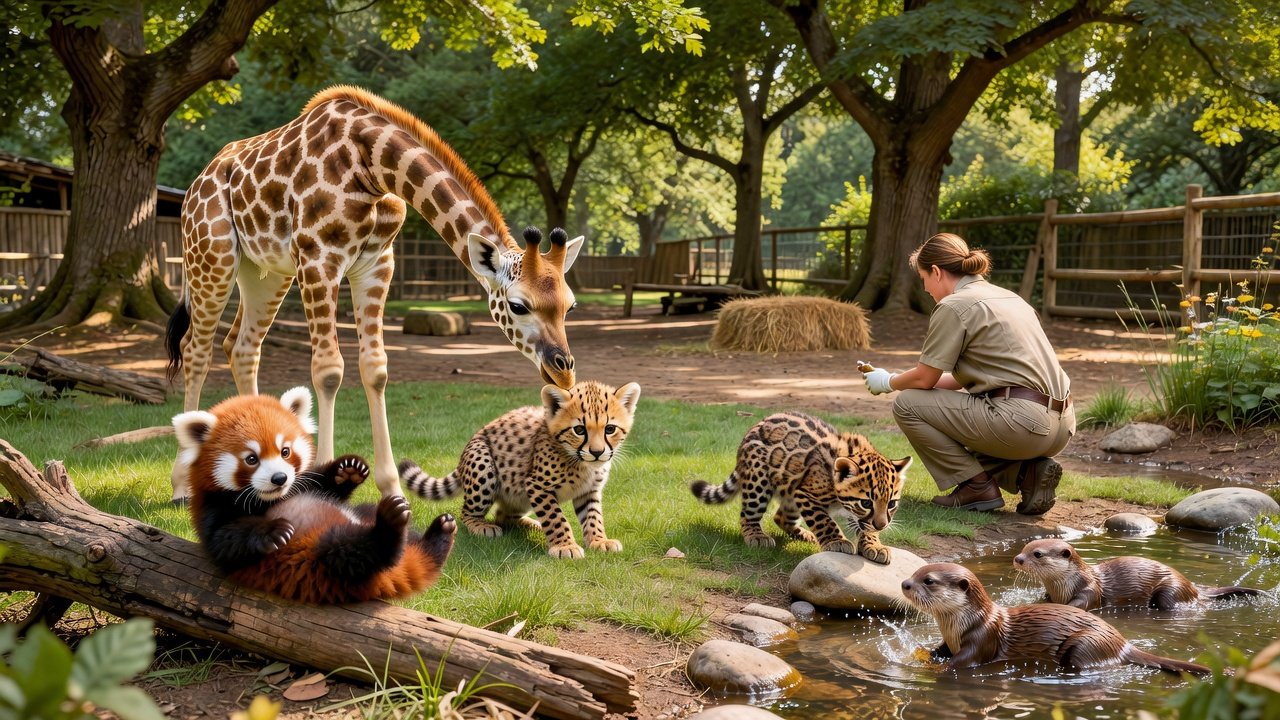
As someone who has spent years volunteering with animal rescue and observing wildlife programs, I’ve seen firsthand how zoos and sanctuaries play a vital role in protecting vulnerable baby animals. These facilities not only provide safe havens for orphaned or injured young but also contribute to breeding programs that help sustain endangered species. From giant panda cubs to red panda kits, these little ones represent hope for their species’ future.
\n
\n
According to the Association of Zoos and Aquariums (AZA), accredited zoos participate in over 300 Species Survival Plans that coordinate breeding to maintain genetic diversity. Baby animals born in these programs receive specialized care from trained staff who monitor every stage of development. The Smithsonian’s National Zoo has welcomed numerous adorable arrivals, including meerkat pups and sloth babies, each one a testament to successful conservation breeding.
\n
Notable Zoo Baby Animals and Their Stories
\n
- \n
- Giant Panda Cubs: Born at facilities like the San Diego Zoo, these cubs weigh only a few ounces at birth and are raised with round-the-clock care. Their survival rate in breeding programs has improved dramatically thanks to expert veterinary teams.
- Red Panda Kits: These fluffy, raccoon-like babies are born in litters and spend their early weeks in dens. Zoos worldwide work to protect their wild counterparts in the Himalayas through habitat conservation.
- Sloth Babies: Recent births at zoos like Schönbrunn have highlighted the slow-but-steady growth of these unique mammals. Baby sloths cling to their mothers for months, learning essential survival skills.
- Meerkat Pups: The sociable, energetic pups at the Smithsonian’s National Zoo demonstrate complex social behaviors from an early age, helping researchers understand group dynamics in the wild.
\n
\n
\n
\n
\n
These programs not only raise the babies but also educate the public. Live webcams and behind-the-scenes tours allow visitors to observe natural behaviors without disturbing the animals. Organizations like the World Wildlife Fund (WWF) collaborate with zoos to support in-situ conservation projects that protect habitats where these species live naturally.
\n\n
The Science of Cuteness: Why Baby Animals Melt Our Hearts
\n
The overwhelming appeal of baby animals has a scientific basis known as the “baby schema” or Kindchenschema, first described by ethologist Konrad Lorenz. Features like large eyes, small noses, and rounded faces trigger caregiving responses in humans. This instinct crosses species boundaries, explaining why we feel compelled to protect everything from tiger cubs to baby penguins.
\n
National Geographic has documented how this response aids survival in the wild. For instance, baby seals with their large, dark eyes and plaintive calls elicit protective behavior from their colonies. In domestic settings, this same appeal drives pet adoption and support for animal welfare causes. Sophie Hartwell, a pet lifestyle writer and rescue cat owner, notes that her own rescue cats displayed many of these neotenous traits as kittens, making the bonding process natural and rewarding.
\n
Research from the Smithsonian Institution shows that exposure to baby animals in controlled environments can increase empathy and environmental awareness among visitors of all ages. This emotional connection translates into greater support for conservation initiatives worldwide.
\n\n
Baby Animal Names: A Global Lexicon of Wonder
\n
Every culture has developed delightful names for the young of different species, reflecting both affection and observation of their characteristics. While a baby kangaroo is universally known as a joey, other names vary by region and language. A baby swan is a cygnet, a young fox a kit, and a baby platypus a puggle. These terms help scientists, educators, and enthusiasts communicate precisely about development stages.
\n
Learning these names deepens our appreciation for biodiversity. A group of baby owls is a parliament of owlets, while baby geese are goslings that follow their parents in perfect formation. Such collective nouns and individual terms highlight the rich tapestry of animal societies. Resources from the San Diego Zoo Global provide extensive glossaries that connect these names to conservation stories.
\n\n
Ethical Wildlife Viewing and Responsible Tourism
\n
With the rise of social media, images of baby animals go viral instantly. However, responsible viewing is crucial to avoid stressing mothers and their young. The WWF recommends maintaining distance, using binoculars or camera zooms, and never approaching nesting sites. In many national parks, rangers monitor birth seasons to protect vulnerable populations during critical early weeks.
\n
Virtual experiences, such as zoo live cams or National Geographic documentaries, offer safe ways to enjoy baby animals without environmental impact. These tools have become especially important for species like polar bear cubs in the Arctic, where climate change threatens their icy nurseries.
\n\n
Supporting Baby Animals Through Conservation and Adoption
\n
Individuals can make a real difference by supporting accredited organizations. Adopting an animal through WWF or AZA member zoos funds care for both captive and wild populations. Locally, volunteering at wildlife rehabilitation centers helps orphaned baby animals receive the specialized care they need before release.
\n
For pet lovers, choosing to adopt rather than buy from breeders aligns with the same principles of responsible stewardship. Rescue organizations often have young animals needing homes, and supporting them indirectly aids broader animal welfare efforts.
\n
By understanding and protecting baby animals at every level—from zoo breeding programs to wild habitats—we ensure that future generations can experience the same joy these tiny creatures bring today.
\n\n
Sources
\n
- \n
- Smithsonian’s National Zoo and Conservation Biology Institute – Zoo Baby Arrivals
- Association of Zoos and Aquariums (AZA) – Species Survival Plans and Conservation
- National Geographic – Baby Animal Facts and Research
- World Wildlife Fund (WWF) – Wildlife Conservation and Viewing Guidelines
- ZooBorns – Baby Animals from Zoos Worldwide
\n
\n
\n
\n
\n
\n
\n\n\n
Related Posts
\n
- \n
- Baby Animals: The Ultimate Guide to Adorable Babies in the Wild and at Home
- Are Spiders Animals? What Every Pet Owner Should Know
- Zoo Animals: Fascinating Facts and Care Tips
- Weird Animals That Will Blow Your Mind
- Animals That Start With N: Fun Facts & Profiles
\n
\n
\n
\n
\n
\n